How to Keep Gear Dry While Hammock Camping: 7 Tips
The best way to keep gear dry while hammock camping is to use a rainfly with a wide drip line, hang your gear in a dry bag or stuff sack, and store items under the tarp rather than at its edges. Water sneaks in from above and along your suspension lines, so blocking both paths keeps everything dry. Do those two things, and you’re already ahead of most soggy campers.
We’ve all been there: you wake up after a light rain and your sleeping bag feels like a wet sponge. Not fun. When we researched this problem, we found that most moisture problems come from a few simple mistakes, like poor tarp setup, gear touching wet ground, and water running down your straps. The good news? Each one is easy to fix with the right habits and a bit of smart packing.
- Set up your rainfly tight and wide, with the ridgeline lower than usual.
- Use drip clips or a break in your suspension so water can’t travel down the line.
- Pack clothes and electronics in dry bags, not loose in your pack.
- Keep gear off the ground with a gear sling hung under your tarp.
- Choose campsites with good drainage, away from low spots and creek beds.
Below, we break down everything you need to know about keeping your gear dry, step by step. Let’s get into it.
Keeping Your Hammock Gear Dry: The Full Game Plan
Keeping gear dry comes down to three defenses: a solid tarp setup, smart storage, and a good campsite. Nail those, and rain becomes a non-event instead of a soggy nightmare. Let’s walk through each one.
Setting Up Your Rainfly the Right Way
Your tarp is your first line of defense. If it’s too small, too flat, or set up sloppy, water finds a way in. We found that most wet-gear complaints trace back to one of these three mistakes.
Pick the Right Tarp Size
Bigger is better here. A tarp should extend at least 12 inches past your hammock on every end. That overhang keeps blowing rain and bouncing spray off your gear. Many hammock campers like hexagon or asymmetrical tarps for full coverage.
Get the Pitch Right
Angle your tarp so rain slides off instead of pooling. A ridgeline pitched low and tight sheds water far better than one stretched high and flat. Think of it like a roof on a house: the steeper it is, the faster the water leaves.
- Stake guylines taut, with no sag.
- Keep the tarp edges below the level of your ridgeline.
- Pitch it low before storms, even if it looks fine at dinner.
- Point one end into the prevailing wind.
Stop Water From Traveling Down Your Suspension
Here’s a sneaky one: water runs along your straps like a highway, straight toward your hammock. The fix is simple. Add a drip clip, a rock, or a small twist in each line below the tarp. Water hits the break and drips off instead of reaching you.
Smart Storage: Where Your Gear Actually Stays Dry
Once your shelter is sorted, storage matters most. Wet gear usually isn’t soaked by rain directly. It gets damp from touching wet ground or sitting in condensation zones.
Dry Bags Are Your Best Friend
Pack electronics, sleeping bags, and spare clothes in dry bags or lined stuff sacks. Even a cheap trash compactor bag inside your pack works wonders. Ziplocks handle smaller items like phones and headlamps.
Hang a Gear Sling Under Your Tarp
A gear sling is just a line or net strung between two trees under your tarp. It keeps your pack, boots, and food off the wet ground. Boots can even hang upside down from the ridgeline with a carabiner. Looks silly. Works great.
Condensation: The Silent Gear Killer
Even without rain, your breath and body moisture create condensation inside the tarp. We found that venting helps a lot. Leave a gap in the tarp for airflow, and avoid piling gear right against the hammock fabric. Cold mornings are when this bites hardest, so give everything a little breathing room.
Choosing a Campsite That Helps You Stay Dry
Where you camp matters as much as how you camp. Pick high ground with good drainage, never a low spot or dry creek bed. Those “dry” washes can flow fast during a storm. Avoid camping under dead branches, too, since wet trees drop limbs (National Park Service). Our guide to choosing a hammock campsite breaks down drainage, wind, and hazard checks in more detail.
Also, think about the trees holding your hammock. Check for standing water nearby and ground that turns to mud easily. A beautiful spot next to a lake can turn into a swamp by morning.
Protecting Your Sleep System From Moisture
Your sleeping bag and underquilt are the hardest gear to dry in the field. Keep them sealed until bedtime, and never store them loose under a tarp all day. Down insulation loses its warmth when wet, and the CDC notes that staying dry is essential for keeping your body warm in the outdoors. If your bag does get damp, air it over your ridgeline at first light.
Quick Dry-Gear Checklist for Your Pack
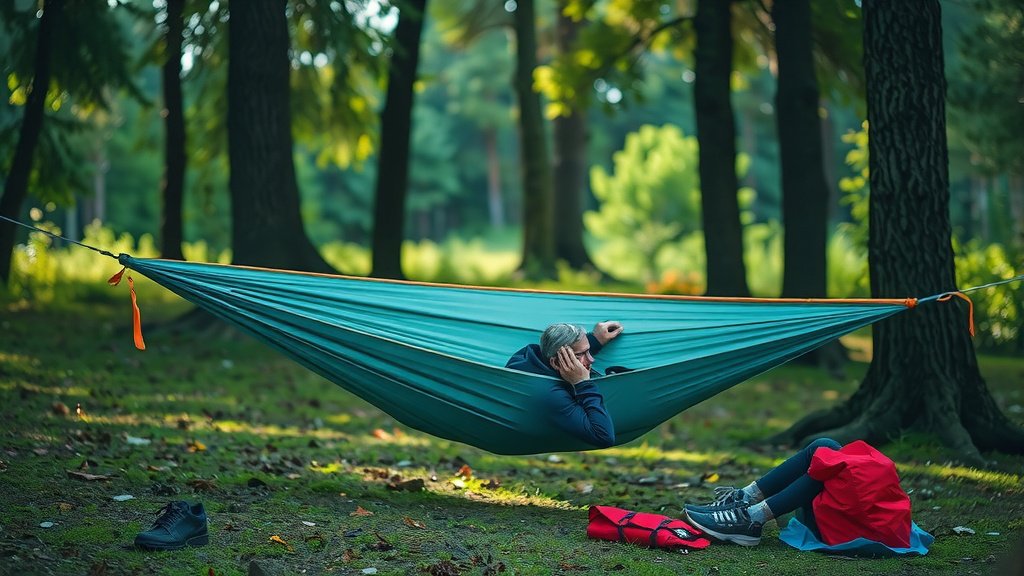
Toss these in your kit before every trip. They weigh almost nothing and save you from misery.
- Two dry bags or trash compactor bag liners
- Four drip clips or rubber bands for your suspension
- One gear sling or small section of rope
- Silica gel packs for electronics
- Microfiber towel for wiping down wet tarps
- Small carabiners for hanging boots and bottles
What to Do When Gear Gets Wet Anyway
Sometimes rain wins a round. Don’t panic. Hang wet clothes under your tarp’s edge where airflow is best. In mild weather, a damp bag can dry overnight draped over your ridgeline. If you’re driving home to a warm bed, a soggy trip is annoying, not dangerous. For a full walkthrough of drying your hammock safely, including airflow tips and mildew prevention, see our dedicated guide.
Handling Wet Cold Conditions
Wet and cold together is the real risk. Health guidelines from the CDC stress changing out of wet clothing quickly to prevent hypothermia, even in temperatures above freezing. Pack one dry base layer that stays sealed in its bag no matter what. That’s your emergency backup, and you’ll sleep far better knowing it’s there.
Common Mistakes That Soak Your Gear
We found the same slip-ups show up again and again. Avoid these and you’re in good shape.
| Mistake | Why It’s a Problem | Easy Fix |
|---|---|---|
| Tarp pitched too high | Rain and splash blow underneath | Lower the ridgeline, tighten the guylines |
| Gear left on the ground | Puddles, mud, and ground moisture | Hang a gear sling under the tarp |
| No drip breaks on straps | Water runs straight to your hammock | Add drip clips or twists in the line |
| Packing in loose stuff sacks | One leak soaks everything | Use dry bags or bag liners |
| Camping in a low spot | Cold air and water pool there | Camp on high, well-drained ground |
Seasonal Tips for Staying Dry
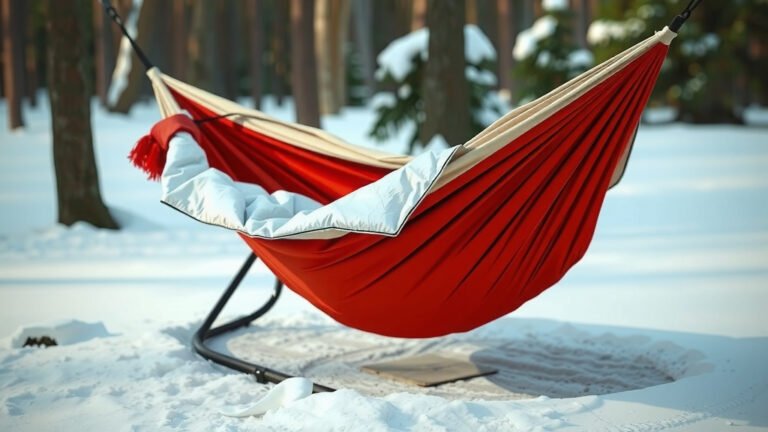
Rain behaves differently by season. In summer, afternoon thunderstorms roll in fast, so pitch your tarp before lunch, not after the first drop falls. In spring and fall, all-day drizzle is common, so ventilation matters even more to fight condensation. Winter brings snow load, and many experts suggest brushing heavy accumulation off your tarp before it sags or snaps a guyline.
One last habit worth building: check the forecast twice before you leave. When you know rain is coming, you set up tighter, pack smarter, and relax instead of scrambling. A little planning beats a midnight tarp rescue every single time.
Conclusion
Staying dry in a hammock isn’t luck. It’s a system. Pitch a tarp that’s wide and tight, break the water path on your suspension, and keep everything sealed in dry bags or off the ground. Pick a high campsite, protect your sleep system like it’s the last dry thing on earth, and you’ll wake up comfortable no matter what the sky does. When we researched this, we found that campers who build these habits stop worrying about rain entirely. So here’s your next step: before your next trip, run through the quick checklist, pack your dry bags the night before, and pitch your tarp low on purpose. Practice it once in the backyard. You’ll never dread the forecast again.
Frequently Asked Questions
Can I hang my backpack from my hammock instead of a gear sling?
You can, but it’s risky. Hanging a pack from your hammock suspension shifts weight unpredictably and can dump everything in the mud if a strap slips. A line strung under your tarp is safer and keeps your pack within arm’s reach at night.
Should I put a tarp under my hammock to protect gear on the ground?
A ground tarp can help in a pinch, but it often collects pooled water that splashes onto nearby gear. We found that hanging gear beats laying it down every time. If you must use a ground cloth, keep items in dry bags on top of it and lift them off before morning dew sets in.
Do waterproof packs really keep everything dry?
Most “waterproof” packs are water-resistant, not truly waterproof. Zippers, seams, and roll-top closures can let seepage through during hours of rain. A cheap dry bag or trash compactor liner inside your pack is the reliable backup that actually works.
How far should my tarp ridgeline sit above my hammock?
A common starting point is about waist height at the center, then lower the ends so rain sheds outward. In heavy or wind-driven rain, drop it a few inches more. If you can easily walk under it without ducking, it’s probably pitched too high.
Can I use a regular tent rainfly as a hammock tarp?
Sometimes, but most tent flies aren’t shaped for hammock ridgelines and leave your ends exposed. If that’s what you have, angle the long sides down hard and add extra guylines to cover your gear. It works for fair-weather trips, but a dedicated hammock tarp is worth the upgrade for storm camping.