How to Choose a Kids Hammock Chair: A Parent’s Guide
Choosing a kids hammock chair comes down to three things: weight capacity, safe materials, and a proper hanging setup. Pick a chair rated well above your child’s weight, made from durable cotton or canvas, and hang it from a solid beam or stud with the right hardware. Get those basics right, and you’re golden.
Here’s the thing, though. Not all hammock chairs are built the same, and some kid-friendly-looking options cut corners. We researched dozens of popular models and found that size, fabric strength, and hanging hardware matter far more than cute colors or fun patterns. Many experts also recommend checking for safety certifications before you buy.
- Always check the weight limit — and leave plenty of room to grow.
- Look for sturdy, washable fabric like cotton or canvas.
- Hang it from a ceiling stud or beam, never just drywall.
- Consider your child’s age and how they’ll actually use it.
- Set a clear budget — good options exist at every price point.
Below, we break down everything you need to know about picking the perfect kids hammock chair — step by step, with zero fluff. Sound good? Let’s dive in.
Finding the right kids hammock chair is mostly about matching the chair to your child’s size, weight, and how they’ll use it. A chair that works for a wiggly five-year-old won’t suit a tween who wants a reading nook. We broke the process into simple steps so you can shop with confidence.
Picking the Right Hammock Chair for Your Child
The fastest way to narrow things down: start with your child’s age and weight. Then think about where the chair will live — indoors, outdoors, or both. Everything else (fabric, color, extras) flows from those two answers.
Match the Chair to Your Child’s Age
Toddlers and preschoolers need a chair with a deep seat, high sides, and a low hang height. It should feel like a cozy nest, not a swing. School-age kids can handle open-style hanging chairs with footrests.
Many experts say younger children should always be supervised in any suspended seat (AAP). That’s not a scare tactic — it’s just smart parenting math.
Know the Weight Limits Before You Buy
Here’s a rule we found in nearly every safety guide: buy a chair rated for at least double your child’s current weight. Kids grow fast, and they will absolutely invite a friend in. That “one kid” chair becomes a “two kids” chair by Tuesday.
- Toddler chairs: often rated 80–100 lbs
- Kid-specific chairs: usually 150–200 lbs
- Family-size chairs: 250 lbs or more
Check the manufacturer’s label, not just the product page. If a listing doesn’t clearly state a weight rating, skip it. No rating means no buy — simple as that.
Size and Seat Style
Bigger isn’t always better. An oversized chair can swallow a small child and make climbing out tricky. Measure your space first, then compare it to the chair’s listed dimensions.
Pod and Nest Styles
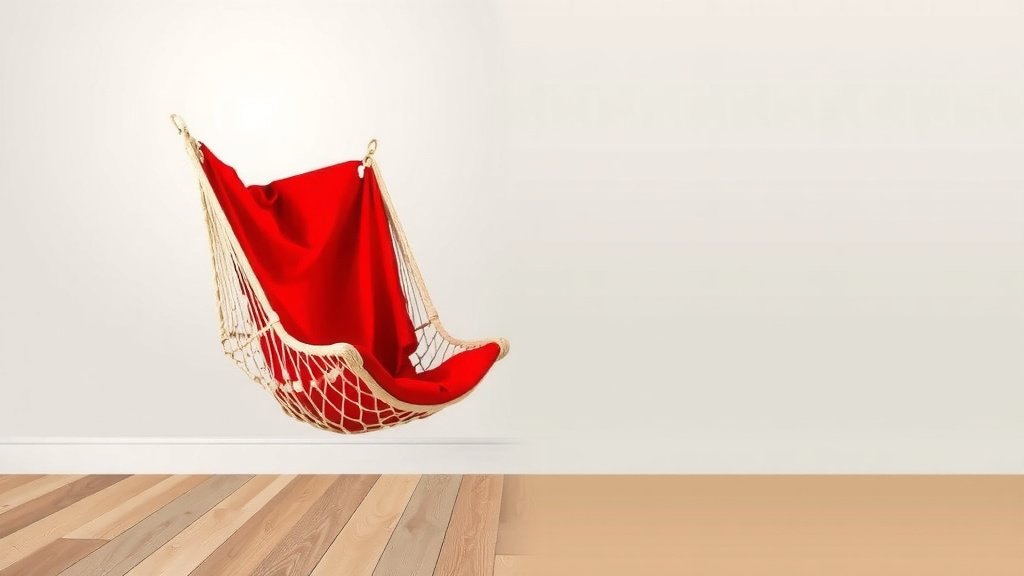
Pod chairs wrap your child like a burrito. They’re great for sensory-seeking kids and for winding down before bed. Many occupational therapists use gentle swinging input to help kids calm and focus (Cleveland Clinic).
Open Swing Styles
Classic open chairs offer more freedom of movement. Kids can sit cross-legged, dangle their legs, or stretch out. They suit older kids who want a hangout spot more than a hideaway.
Materials That Last (and Survive Juice Boxes)
Fabric choice matters more than you’d think. Kids spill things. Kids drag things. Your hammock chair needs to handle both.
Best Fabric Options
- Cotton canvas: sturdy, breathable, and machine washable in most cases.
- Polyester blends: fade-resistant and quick-drying, great for outdoor use.
- Macramé or woven rope: breathable and pretty, but less cozy without a cushion.
We found that cotton canvas hits the sweet spot for most families. It’s soft enough for naps and tough enough for daily swinging sessions.
Hardware and Ropes
Look for stainless steel or galvanized hardware — it resists rust, especially if the chair lives on a porch. Ropes should be thick, tightly woven, and free of fraying. Give every strand a squeeze test before hanging.
Where and How to Hang It Safely
The safest chair in the world becomes dangerous with a bad hanging setup. This part matters as much as the chair itself.
Indoor Hanging Basics
Always anchor into a ceiling joist or wall stud, never plain drywall. Use a stud finder — they cost about as much as a pizza and save you a ceiling repair. A heavy-duty eye bolt or swing hanger rated for 300+ lbs gives you a big safety margin.
Outdoor Hanging Options
A sturdy tree branch at least 8 inches thick works well. Porch beams and pergola frames are good too. Just keep fabric chairs out of constant rain and sun, or they’ll fade and weaken over time.
Height and Clearance
Hang the seat so your child’s feet touch the floor when seated. Leave at least 2–3 feet of clear space around the chair. Rugs and furniture underneath are ankle-tempting hazards otherwise.
Safety Features Worth Paying For
A few small features make a big difference. We found these come up again and again in safety guidance:
- Reinforced stitching at all weight-bearing seams
- A spreader bar or design that resists tipping
- Smooth hardware with no sharp edges or pinch points
- Non-toxic, certified materials (look for OEKO-TEX labeling)
- A swivel hook so the chair spins without twisting ropes
Check the recall database before buying, too. A quick search of the CPSC website takes two minutes and could save you a headache (CPSC).
Comfort Extras Kids Actually Notice
Once safety is handled, comfort wins. A removable, washable cushion turns a good chair into a favorite reading spot. Footrests help smaller kids sit back and relax. Some chairs include toy pockets or sensory loops — a nice bonus for kids who like to fidget.
Think of it like buying a mattress. Support comes first, but the soft top layer is what makes them want to stay in it.
Setting a Sensible Budget
Good kids hammock chairs run from about $30 to $120 in the US. Budget chairs can work fine if the weight rating and stitching check out. Higher-priced models usually add better fabric, included hardware, and cushions.
| Budget Range | What You Get | Best For |
|---|---|---|
| $30–$60 | Basic fabric chair, standard ropes | Occasional use, testing interest |
| $60–$90 | Sturdier fabric, cushion, better hardware | Daily use indoors |
| $90–$120+ | Weatherproof materials, pod designs, extras | Outdoor setups and heavy users |
Quick Pre-Purchase Checklist
Before you click “buy,” run through this list. It takes two minutes and covers the big stuff.
- Weight rating is at least double your child’s weight
- Fabric is durable, washable, and free of strong chemical smells
- You’ve located a joist, stud, or solid beam for hanging
- Hardware is rated for 300+ lbs and rust-resistant
- Seat height allows feet to touch the floor
- Return policy and warranty are clearly stated
Getting Your Child Involved in the Choice
Let your kid pick the color or pattern. It sounds small, but ownership makes them more likely to actually use (and love) the chair. You handle the safety specs; they handle the aesthetics. That’s a team effort with a happy ending.
Conclusion
Choosing the right kids hammock chair isn’t complicated once you know what to look for. Put safety first — double the weight rating, solid anchoring, and sturdy hardware. Then layer in comfort with washable fabric, a supportive cushion, and a seat height that lets your child’s feet touch the floor. Set your budget, skim the recall database, and let your kid pick the fun part: the color.
We found that families who run through the pre-purchase checklist end up with chairs that last for years, not months. Your next step is simple: measure your space, find your joist, and shortlist two or three chairs that pass every check. You’ve got this.
Frequently Asked Questions
Can I hang a kids hammock chair from a door frame?
You can, but only with a rated door-frame bar designed for hanging chairs. Never rely on a standard doorway trim or molding — it won’t hold a swinging child. Check the bar’s weight rating and test it slowly with your own body weight before letting your kid in.
What age is appropriate for a hammock chair?
Most manufacturers design hammock chairs for children ages 3 and up. Toddlers younger than that can slip into unsafe positions in a suspended seat. If you’re shopping for a child under 3, look for a floor-based seat instead and revisit hammocks later.
How do I clean and maintain a kids hammock chair?
Most cotton and polyester chairs come with removable, machine-washable covers — wash them cold and air dry to prevent shrinking. Once a month, inspect the ropes, stitching, and hardware for fraying or rust. A two-minute check keeps the chair safe for the long haul.
Do I need a spring or swivel with my hammock chair?
A swivel hook is worth it because it stops ropes from twisting as your child spins. A compression spring is optional — it adds a gentle bounce, but only use one rated for at least 300 lbs. Skip both if the manufacturer’s instructions say not to add hardware.
Can two kids sit in a hammock chair at the same time?
Only if their combined weight stays well under the chair’s rating — and honestly, most kid chairs aren’t designed for it. We found that most tipping and fall incidents happen when kids pile in together. Set a one-child-at-a-time rule from day one.