Baby Hammock Sleep Dangers: What Every Parent Needs to Know
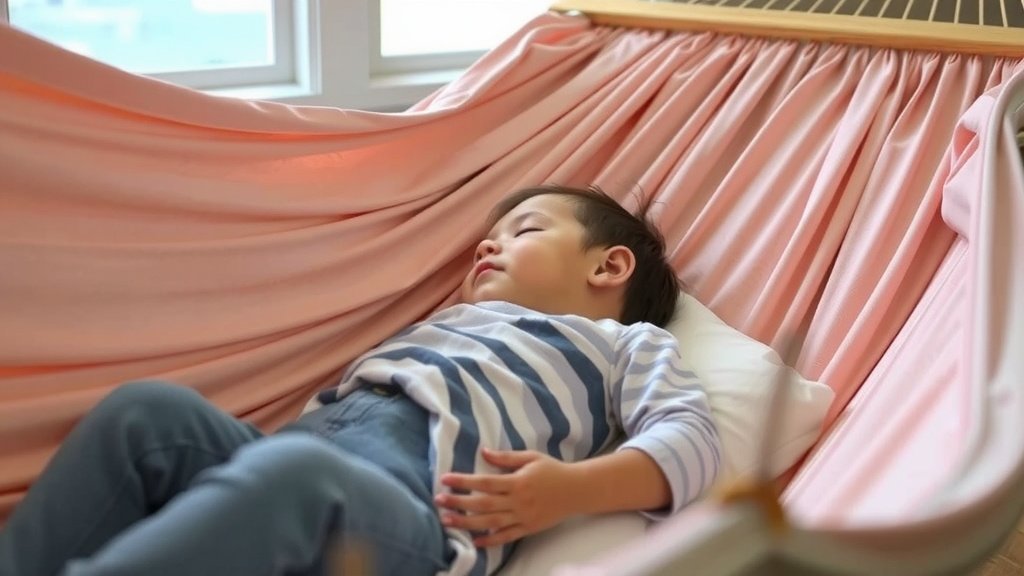
No, you should not let a baby sleep in a hammock. While they might seem cozy, hammocks can pose a serious suffocation risk for infants. Research and expert recommendations strongly advise against it for safe infant sleep.
Baby sleep safety is paramount, and certain sleep surfaces can create dangerous situations. Hammocks can easily tilt, causing a baby’s head to drop forward, obstructing their airway. This risk makes them an unsafe sleep environment when compared to standard cribs or bassinets.
- Hammocks are not recommended for unsupervised baby sleep.
- They can create an unsafe sleeping position.
- This position increases the risk of suffocation.
- Always opt for a firm, flat sleep surface.
We know you want the best for your little one. Below, we’ll cover the specific dangers and what safe sleep alternatives look like.
Why You Shouldn’t Let Your Baby Sleep in a Hammock
We all want the safest possible sleep for our little ones. It’s natural to explore different sleep options. Hammocks might look appealingly cozy, but we found that experts strongly advise against them for infant sleep. They simply don’t meet the safety standards needed for a baby’s developing body.
The Dangers of Hammocks for Baby Sleep
When it comes to baby sleep, safety is non-negotiable. Hammocks introduce a unique set of risks that aren’t present with traditional cribs or bassinets. Understanding these dangers can help you make the best choice for your baby.
Risk of Suffocation from Unsafe Positioning
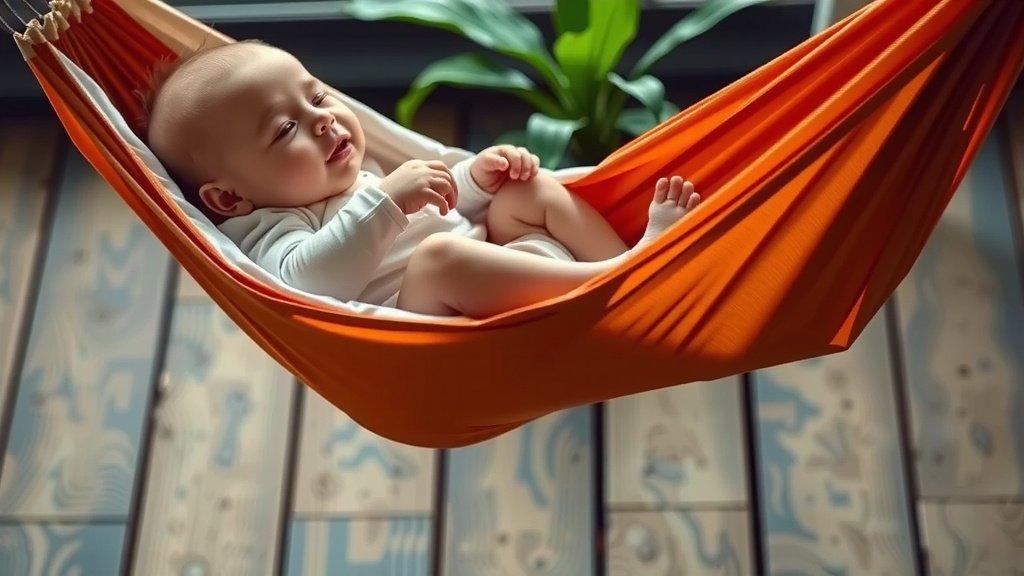
One of the biggest concerns with hammocks is how they can position a baby. Hammocks naturally have a curve. This curve can cause a baby’s chin to fall onto their chest. When this happens, their airway can become blocked.
We found that even slight pressure on a baby’s neck can make it hard to breathe. Babies don’t have the neck strength to easily adjust themselves out of this position. This risk of suffocation is why hammocks are not recommended. It’s a risk many parents might not immediately consider.
The Risk of Falling
Babies are wiggly, even when they’re asleep. They can shift and move a lot. In a hammock, this movement can be unpredictable. We found that babies can easily roll or slide to one side.
This sliding can lead to them falling out of the hammock. Falls, even from a short height, can be dangerous for infants. It’s another reason why hammocks are not considered a safe sleep surface for your baby.
Hammocks Aren’t Flat or Firm
Safe sleep guidelines consistently recommend a firm, flat sleep surface for babies. This is crucial for healthy development and breathing. Hammocks, by their very design, are curved and soft. They don’t offer that essential flat, firm base.
We found that the soft, yielding material of a hammock can also mold around a baby’s face. This increases the risk of rebreathing exhaled air. Rebreathing is dangerous because it can lower oxygen levels. The American Academy of Pediatrics (AAP) strongly advocates for firm surfaces in their safe sleep recommendations.
Lack of Airflow and Overheating
The fabric of a hammock can sometimes restrict airflow. Babies are sensitive to temperature changes. They can overheat more easily than adults. Overheating is a known risk factor for SIDS (Sudden Infant Death Syndrome).
We found that the enclosed nature of some hammock designs can trap heat. This makes it harder for your baby to regulate their body temperature. A safe sleep environment should always promote good airflow to prevent overheating.
What Experts Say About Hammock Sleep for Babies
Leading health organizations and pediatric experts are clear on this. They do not endorse hammock use for unsupervised infant sleep. Their primary focus is always on minimizing risks to babies.
Recommendations from Pediatric Organizations
We looked at guidelines from major health bodies. For instance, the AAP provides clear advice on safe sleep practices. These guidelines consistently point to the use of cribs, bassinets, or play yards that meet safety standards. They highlight the importance of a flat, firm mattress with a fitted sheet.
These recommendations are based on extensive research. They aim to reduce the risk of suffocation, strangulation, and SIDS. Hammocks do not fit the criteria for a safe sleep space according to these established guidelines (CDC).
Why Hammocks Don’t Meet Safety Standards
Think about it like this: a crib is designed with safety in mind. It has solid sides to prevent falls and a flat, firm base. A hammock, on the other hand, is meant for lounging and relaxation for older children or adults. It’s not built with the unique needs and vulnerabilities of an infant in mind.
We found that the dynamic nature of a hammock makes it difficult to ensure a baby remains in a safe position. It can also be hard to monitor them effectively. This lack of stability and predictable positioning is a major safety concern.
Safe Sleep Alternatives for Your Baby
Knowing what not to use is helpful. But what *should* you use? Thankfully, there are many safe and wonderful options available for your baby’s sleep. These alternatives are designed with infant safety as the top priority.
Approved Cribs and Bassinets
Standard cribs and bassinets are the gold standard for infant sleep. They are specifically designed to keep babies safe. Look for products that meet current U.S. Consumer Product Safety Commission (CPSC) standards. These items have been tested for safety and durability.
Make sure the mattress is firm and fits snugly within the crib or bassinet. There should be no gaps. This prevents entrapment. Keep the sleep area clear of loose bedding, bumpers, or toys. These can create suffocation hazards (Mayo Clinic).
Portable Play Yards
Play yards are another excellent safe sleep option. They are versatile and can be used at home or while traveling. Like cribs, they offer a firm, flat sleeping surface. They also have mesh sides for good airflow and visibility.
Always use the mattress pad that comes with the play yard. Ensure it’s fully flat and secure. Avoid adding any extra padding. These are designed to be a safe, contained space for your baby to sleep and play.
Choosing the Right Sleep Surface Checklist
Here’s a quick checklist to help you evaluate any sleep surface for your baby:
- Is the surface firm and flat?
- Is there a tight-fitting sheet?
- Are there no gaps between the mattress and sides?
- Is the sleep area clear of soft items like blankets or bumpers?
- Does it meet current safety standards?
- Can your baby breathe easily if their face touches the surface?
If you can answer “yes” to all these, you’re likely on the right track. When in doubt, always consult your pediatrician.
Conclusion
You want the very best for your baby, and that includes safe sleep. As we’ve covered, hammocks can pose serious risks, including suffocation from unsafe positioning and falls. They simply don’t provide the firm, flat surface recommended by experts for infant sleep.
Always prioritize sleep environments that are proven safe. This means sticking to approved cribs, bassinets, or play yards. Your baby’s safety is always the top priority, so choose sleep surfaces that minimize risks. If you’re ever unsure, a quick chat with your pediatrician is always a good idea.
Frequently Asked Questions
Are hammocks ever safe for supervised baby naps?
While supervision is always recommended, hammocks still present risks. Even when watching your baby, the design can lead to unsafe positioning. Experts strongly advise against using hammocks for any sleep, supervised or unsupervised.
What makes a crib safer than a hammock for a baby?
Cribs offer a firm, flat surface that prevents airway obstruction. They also have solid sides to prevent falls and entrapment. Hammocks lack these safety features, increasing the risks for your baby.
Can my baby overheat in a hammock?
Yes, the fabric of some hammocks can restrict airflow and trap heat. Babies are more susceptible to overheating, which is a risk factor for SIDS. Safe sleep spaces promote good ventilation to help regulate your baby’s temperature.
What if the hammock has a safety strap?
Safety straps are not a substitute for a proper sleep surface. They don’t eliminate the risk of positional asphyxiation or falls. Experts still do not recommend hammocks for infant sleep, even with added restraints.
What is the best alternative to a hammock for baby sleep?
The safest alternatives are approved cribs, bassinets, or play yards. Ensure these provide a firm, flat mattress with a tight-fitting sheet. Always keep the sleep area clear of any loose items.