
What is a Diamond Tarp and How Is It Used
A diamond tarp is a type of heavy-duty tarp specifically designed for covering and protecting loads on flatbed trailers. It’s typically made from strong, durable materials like vinyl or coated polyester, making it resistant to tears and abrasions. These tarps are essential for keeping your cargo safe from the elements and road debris during transport.
Think of it as your cargo’s personal bodyguard. Diamond tarps offer superior protection compared to standard tarps because of their robust construction and the way they are secured. They provide a reliable shield against rain, snow, wind, and sun, ensuring your goods arrive in the same condition they left. Many truckers rely on them for peace of mind.
- Diamond tarps are heavy-duty covers for flatbed trailers.
- They protect cargo from weather and road hazards.
- Made from tough vinyl or coated polyester.
- Resistant to tears, abrasions, and the elements.
So, if you’re hauling anything on a flatbed, understanding what a diamond tarp is and why it’s so important is your first step. Let’s dive into the specifics of these workhorse covers.
Understanding Your Cargo’s Best Friend: The Diamond Tarp
You’ve got a job to do, and keeping your cargo safe is a huge part of it. So, what exactly makes a diamond tarp stand out? Think of it as your cargo’s superhero cape. It’s a specialized, super-tough cover designed specifically for flatbed trailers. Its main job? To shield your precious goods from just about anything the road or weather can throw at them.
What Makes a Diamond Tarp Different?
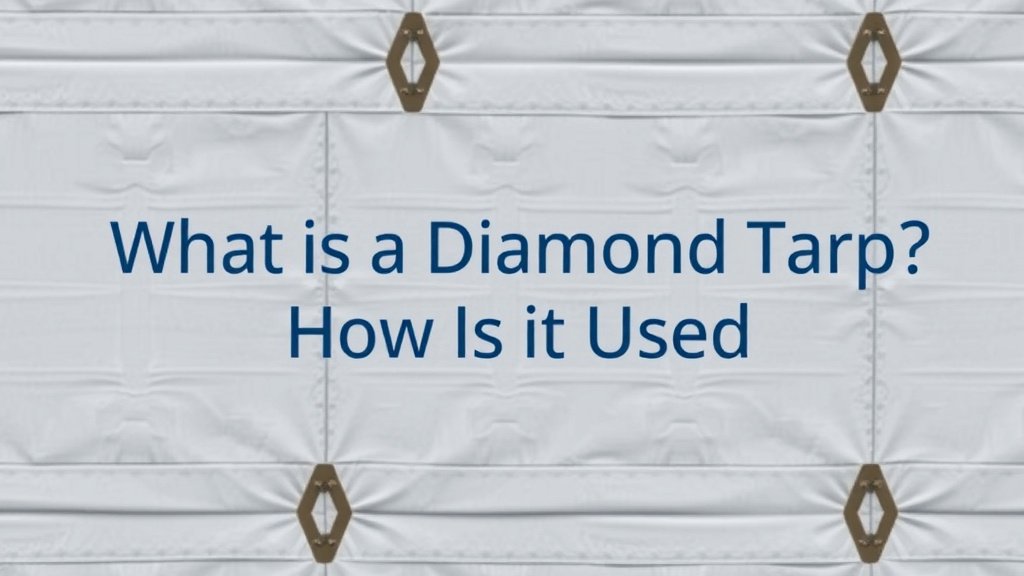
The name “diamond” comes from the pattern often seen on the fabric itself, which is more than just for looks. This pattern is part of what gives the tarp its incredible strength. Unlike thinner, more basic tarps, diamond tarps are built for serious protection. We’re talking about guarding against harsh sun, driving rain, heavy snow, and even nasty road debris that can fly up.
Material Matters for Durability
You’ll typically find diamond tarps made from heavy-duty materials like vinyl or polyester that’s been coated. This isn’t your average blue tarp. These materials are chosen for their superior tear resistance and ability to withstand abrasion. They’re also usually waterproof or water-resistant, which is a huge win for protecting your load.
The Diamond Pattern: More Than Meets the Eye
That distinct diamond pattern isn’t just for show. We found that this weave, often a ripstop pattern, actually helps prevent small tears from spreading. If a small nick happens, the pattern acts like a barricade, stopping it from becoming a big, gaping hole. This is a critical feature when you’re dealing with the stresses of transportation.
Why Are They So Essential for Flatbed Hauling?
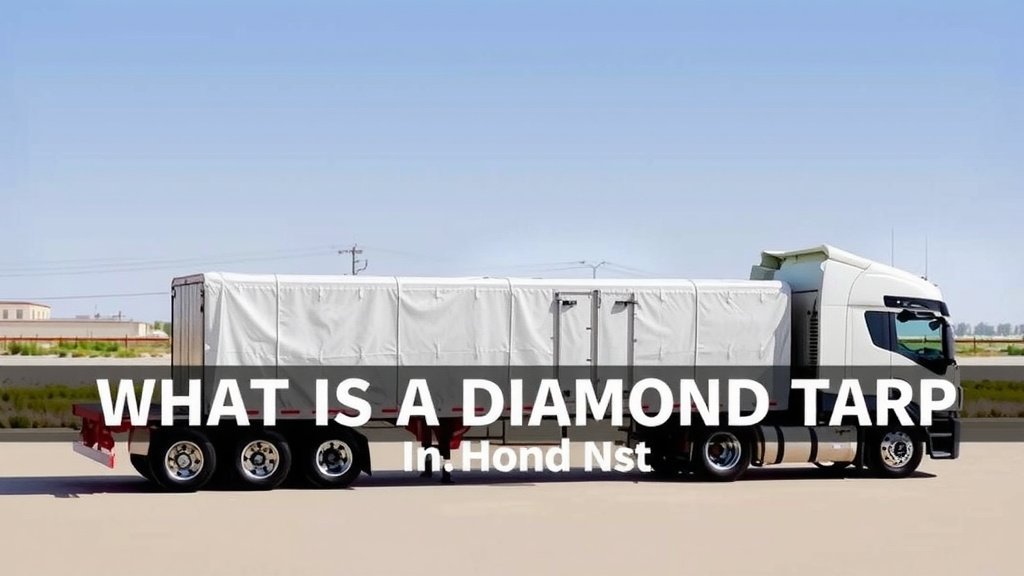
Flatbed trailers, by their nature, leave cargo exposed. They offer a stable platform, but zero protection from above or the sides. This is where the diamond tarp swoops in. It’s the primary layer of defense. Imagine hauling lumber or machinery; without a robust cover, a sudden downpour could warp the wood or rust the metal. That’s a costly problem you want to avoid.
Protection from the Elements
Rain, sun, snow, and wind are the usual suspects when it comes to cargo damage. A diamond tarp acts as a barrier against moisture, preventing water from seeping into your goods. It also shades items from the harsh sun, which can cause fading or degradation of certain materials. In winter, it adds a layer of protection against freezing temperatures.
Guarding Against Road Hazards
When you’re on the highway, rocks, dirt, and other debris can get kicked up by passing vehicles or your own tires. These projectiles can scratch, dent, or puncture your cargo. The tough material of a diamond tarp is designed to absorb impact and prevent these hazards from reaching your load.
Key Features You’ll Want to Look For
Not all diamond tarps are created equal. When you’re choosing one, pay attention to a few key features that ensure you’re getting the best protection for your investment.
Material Strength and Weight
Look for tarps measured in ounces per square yard. A higher number generally means a stronger, more durable tarp. For example, a 16-18 oz vinyl tarp is considered very heavy-duty and suitable for demanding jobs. Consider the weight, as heavier tarps offer more protection but can be harder to handle.
Reinforced Edges and Grommets
The edges of a tarp are often the first place to show wear. Good diamond tarps have reinforced hems to prevent tearing. You’ll also want to check the grommets – those metal rings used for tying down the tarp. Make sure they are strong, spaced appropriately, and securely attached. Brass or nickel-plated grommets are often preferred for their resistance to rust.
Water Resistance and UV Protection
Confirm that the material is indeed waterproof or highly water-resistant. Many high-quality tarps also come with UV protection built in. This is crucial for preventing the material itself from breaking down under prolonged sun exposure, extending the life of your tarp.
How to Secure Your Diamond Tarp Properly
Even the toughest tarp is no good if it’s not secured correctly. Proper tie-down is essential for both cargo safety and the lifespan of your tarp. We found that using a combination of methods often provides the most secure setup.
The Importance of a Snug Fit
You want your tarp to be tight and secure, with no flapping in the wind. Loose tarps are more prone to tearing and can allow wind to get underneath, potentially lifting your cargo or damaging the tarp itself. Think of it like stretching a rubber band – it needs tension to hold effectively.
Common Tie-Down Methods
Most truckers use a system of straps and bungee cords to secure their diamond tarps.
- Ratchet Straps: These offer strong, reliable tension and are excellent for keeping the tarp taut across the load.
- Bungee Cords: Often used in conjunction with straps, bungees provide some flexibility and can help secure edges and corners.
- Edge Protection: Some drivers use corner protectors or edge guards where straps or ropes pull tight. This prevents the tie-down points from damaging the tarp material.
When to Consider Upgrading Your Tarp
A diamond tarp is an investment, but like any gear, it has a lifespan. Here are a few signs it might be time for a new one:
- Visible tears or significant fraying along the edges.
- Grommets pulling out or showing signs of rust.
- Material becoming brittle or losing its waterproof quality.
- If the tarp consistently fails to keep your cargo dry.
- If you notice the diamond pattern starting to stretch or distort.
Diamond Tarps vs. Other Coverings
You might wonder how a diamond tarp stacks up against other options. Let’s break it down:
| Type of Tarp | Pros | Cons | Best For |
|---|---|---|---|
| Diamond Tarp | Extremely durable, tear-resistant, waterproof, UV protected. | Can be heavier and more expensive than basic tarps. | Flatbed hauling, heavy-duty protection. |
| Standard Blue Tarp | Inexpensive, lightweight, widely available. | Low durability, prone to tearing, not fully waterproof. | Light-duty, temporary covering for non-critical items. |
| Mesh Tarp | Allows air circulation, reduces wind drag, good for loose loads like gravel. | Does not provide full protection from rain or fine debris. | Hauling materials that need ventilation, like asphalt or mulch. |
As you can see, for the specific needs of flatbed hauling, the diamond tarp offers the best balance of strength, protection, and longevity. It’s the professional’s choice for a reason.
Your Cargo Deserves the Best Protection
Investing in a quality diamond tarp is more than just buying a cover; it’s investing in the success of your haul. You want your goods to arrive safe, sound, and on time. Understanding what makes a diamond tarp effective and how to use it properly gives you that confidence. It’s a simple but powerful tool in your hauling arsenal.
Conclusion
You’ve learned that a diamond tarp is your cargo’s ultimate shield. Its heavy-duty construction and specialized weave offer unmatched protection against weather and road hazards. Choosing the right diamond tarp and securing it properly ensures your load arrives safely. By understanding these tough covers, you’re making a smart investment in your hauling success and gaining peace of mind on every trip. Ready to protect your next load? Make sure you have a quality diamond tarp.
Frequently Asked Questions
What’s the difference between a diamond tarp and a standard blue tarp?
A diamond tarp is much heavier-duty, made from thicker vinyl or coated polyester. It features a special weave pattern that resists tears from spreading. Standard blue tarps are thin and prone to ripping, offering far less protection for heavy-duty hauling needs.
Can I use a diamond tarp for covering anything other than flatbed cargo?
While designed for flatbeds, you could technically use a diamond tarp for other heavy-duty covering needs where maximum durability is required. However, their size and weight are optimized for flatbed trailers and securing them might be more complex for other applications.
How much weight can a diamond tarp hold?
A diamond tarp itself doesn’t “hold” weight in the sense of a weight-bearing structure. Its strength lies in its ability to protect the cargo underneath from external elements and impacts. The cargo’s weight is supported by the trailer itself, not the tarp.
Are diamond tarps completely waterproof, or just water-resistant?
Most high-quality diamond tarps are considered waterproof, especially those made from vinyl. The tightly woven material and protective coatings prevent water from penetrating. Always check the product specifications, as some variations might be highly water-resistant rather than completely waterproof.
How often should I inspect my diamond tarp for wear and tear?
You should inspect your diamond tarp before and after each significant haul. Look for any new tears, fraying along the edges, loose or rusted grommets, and check if the material still feels flexible. Regular checks help catch damage early, preventing bigger problems and ensuring your cargo’s safety.