What Is a Hammock Winter Tarp: Your Cold-Weather Shelter
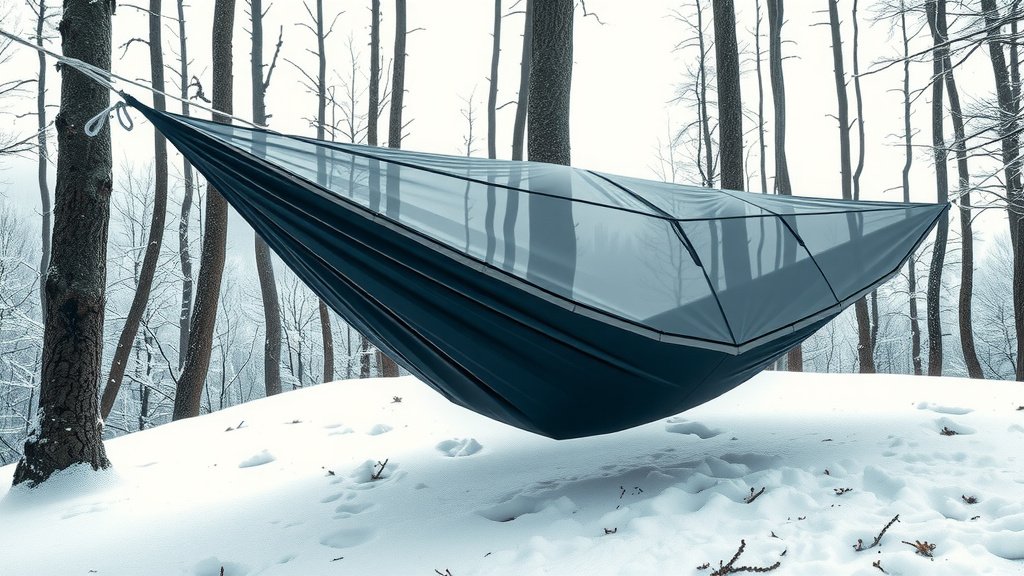
A winter tarp for your hammock is essentially a specialized, larger tarp designed to provide superior protection from the cold, wind, and snow when you’re sleeping outdoors in chilly weather. Think of it as your hammock’s cozy, weather-resistant sleeping bag. Unlike regular tarps, these are often made with denser, waterproof materials and boast designs that seal out drafts more effectively, ensuring your comfort during colder months. They are a game-changer for year-round hammock camping.
When the temperature drops, a regular tarp might leave you exposed to biting winds and precipitation. A winter tarp, however, is built to create a more enclosed and insulated microclimate around your hammock. We found that many winter tarps feature extended coverage and sometimes even built-in insulation to combat the cold. This means less heat loss and a much more pleasant sleeping experience when winter’s chill sets in. It’s a smart upgrade for any serious hammock camper.
- What is a winter tarp? It’s a large, weather-resistant tarp for hammocks.
- It’s specifically designed for cold, windy, and snowy conditions.
- Key features include denser materials and draft-blocking designs.
- It helps create a more enclosed and insulated space around your hammock. It helps create a more enclosed and insulated space around your hammock, which is crucial for retaining warmth in cold conditions.
- Essential for comfortable year-round hammock camping.
Ready to brave the cold in your hammock? Let’s dive into what makes a winter tarp so effective and how to choose the right one for your adventures.
Understanding Your Winter Hammock Tarp Needs
So, you’re thinking about taking your hammock out when the leaves start falling and the snow begins to fly? That’s awesome! But before you do, let’s talk about what makes a hammock setup truly “winter-ready.” A winter tarp isn’t just any old rain fly. It’s your cozy shelter against the biting cold, whipping winds, and maybe even a bit of snow. We’ve found that its primary job is to create a protected microclimate around your hammock, keeping you warmer and drier than a standard tarp ever could.
Think of it like this: your sleeping bag keeps you warm from the inside out. Your winter tarp does the same for your entire hammock setup, blocking the elements from getting in and trapping your body heat. Many hammock campers agree that this is what separates a comfortable winter night from a miserable one. It’s a crucial piece of gear for anyone serious about year-round adventuring.
Key Features That Set Winter Tarps Apart
What exactly makes a tarp a “winter” tarp? It boils down to a few key design elements and material choices. We’ve seen a common theme among these specialized tarps, and it’s all about maximizing protection.
Size Matters: Extended Coverage
One of the most obvious differences is size. Winter tarps are typically larger than standard tarps. This extra real estate isn’t just for show. It means more coverage over your hammock, giving you better protection from wind coming from multiple directions. Many experts recommend tarps that are at least 11 feet long. This ensures you can effectively seal off the ends of your hammock, preventing cold air from sneaking in.
Material Strength and Waterproofing
The fabric itself is also a big deal. You’ll often find winter tarps made from denser, more robust waterproof materials. Think ripstop nylon or polyester with a high waterproof rating, often measured in millimeters (mm). We found that a rating of 3,000mm or higher is generally considered excellent for rain protection. This material is tougher, resisting tears from branches and standing up better to rough weather. It also helps prevent water from soaking through, which can make you feel colder.
Shape and Draft Protection
Beyond just size and material, the shape of the tarp plays a critical role. Many winter tarps have a more enclosed design. Some might be asymmetrical or have integrated beak-like extensions at the ends. These features help to further block wind and snow from entering the protected space. We’ve noticed designs that allow you to stake down the sides more effectively, creating a tighter seal against the ground. This is vital for stopping drafts from chilling your sleeping area.
Reinforced Construction
Look for reinforced tie-out points and seams. Winter camping can put a lot of stress on your gear. Stronger stitching and reinforced grommets or loops mean your tarp is less likely to fail when you need it most. This durability is a hallmark of quality winter camping equipment. We found that well-made tarps often feature double-stitched seams and reinforced webbing at stress points.
Beyond the Basic Tarp: Extra Winter Warmth Features
Some winter tarps go the extra mile to keep you toasty. These aren’t always standard, but they can make a huge difference on those truly frigid nights.
Built-in Insulation
Yes, you read that right! Some high-end winter tarps come with integrated insulation. This is often a layer of synthetic fill sandwiched between the tarp fabric. It adds a significant thermal barrier, reflecting your body heat back towards you and keeping out the cold. While these can be heavier and more expensive, they offer a premium level of warmth. We found that this feature is particularly appealing for campers who prioritize maximum comfort in extreme cold.
Modular Systems and Accessories
Many manufacturers offer modular accessories designed to work with their winter tarps. This might include specialized “doors” or “skins” that can be attached to further enclose the tarp. Think of it like adding walls to your tent. These add-ons can dramatically improve your shelter’s ability to trap heat and block wind. They offer a customizable approach to your winter setup.
How Winter Tarps Work to Keep You Warm
You might be wondering, “How exactly does a tarp keep me warmer?” It’s a clever combination of physics and smart design. A winter tarp works on several principles to conserve your body heat and block the cold.
Reducing Wind Chill
The most immediate benefit is blocking the wind. Wind is a major factor in how cold you feel. Even if the air temperature is just below freezing, a strong wind can make it feel much colder. We found that a good winter tarp effectively eliminates wind chill around your hammock. By creating a still air pocket, it allows your sleeping bag to do its job without the wind constantly stealing warmth.
Trapping Body Heat
Your body constantly generates heat. A standard tarp allows a lot of this heat to escape. A winter tarp, especially one with a more enclosed design, acts like a cocoon. It traps your body heat within the protected space. The denser material also absorbs and re-radiates a bit of warmth. It’s like wearing a well-insulated jacket instead of just a windbreaker.
Creating a Microclimate
Essentially, you’re creating a personal microclimate. This is a small, controlled environment that is significantly warmer and more comfortable than the ambient conditions outside. We found that by combining a winter tarp with a good underquilt and sleeping bag, you can achieve surprisingly comfortable temperatures, even in freezing weather. It’s about managing the warmth you produce and protecting it from the elements.

Choosing the Right Winter Tarp: A Quick Checklist
Ready to pick out your winter warrior? Here’s a quick rundown to help you make the best choice:
- Size: Aim for at least 11 feet long for maximum coverage.
- Material: Look for durable, waterproof fabric with a high mm rating.
- Design: Consider shapes that offer draft protection and enclosed ends.
- Reinforcement: Check for strong tie-out points and sturdy stitching.
- Weight vs. Warmth: Decide if extra insulation or modular features are worth the added bulk.
- Reputation: Research brands known for quality winter camping gear.
Comparing Winter Tarp Options
When you start looking at specific winter tarps, you’ll see some variations. Understanding these differences can help you match a tarp to your specific needs and budget.
Budget-Friendly Options
You can find perfectly functional winter tarps that won’t break the bank. These often focus on size and good waterproofing. They might have a simpler design but still offer substantial protection. Many brands offer excellent value in this category. We found that even a well-chosen, slightly less feature-rich tarp can make a huge difference compared to a standard tarp.
Mid-Range Performers
These tarps usually offer a better balance of features, durability, and weight. You might see more sophisticated designs for draft protection and stronger materials. They often have more reinforced tie-outs and better seam sealing. Many campers find this category offers the best overall performance for the cost. We’ve seen great options that provide a significant upgrade in comfort and reliability.
High-End and Specialty Tarps
This is where you’ll find tarps with integrated insulation, advanced materials, and modular systems. They are designed for the most demanding conditions and for campers who want the absolute best. While the price tag is higher, the performance and comfort can be unparalleled. These are often favored by ultralight backpackers who need maximum efficiency or those who camp in extreme winter environments regularly.
Here’s a quick look at some common differences you might encounter:
| Feature | Basic Winter Tarp | Premium Winter Tarp |
|---|---|---|
| Size | 11-12 feet long | 12-13+ feet long, wider options |
| Material | Durable ripstop nylon/polyester (3000mm+) | Lighter, stronger fabrics (e.g., Dyneema), higher mm ratings |
| Design | Larger footprint, some end closure | Aerodynamic shapes, integrated beaks, better staking options |
| Insulation | None | Optional integrated insulation or modular skins |
| Reinforcement | Standard reinforced points | Heavy-duty webbing, multiple tie-out options |
Conclusion
You’ve learned that a winter tarp is more than just a larger tarp; it’s a specialized shield against the cold. Its design focuses on blocking wind, trapping heat, and creating a cozy microclimate for your hammock. By understanding the key features like extended coverage, robust materials, and draft-blocking shapes, you can make an informed choice. Ready to extend your camping season? Your next step is to evaluate your personal needs and start looking for a winter tarp that fits your adventures.
Frequently Asked Questions
What is the main difference between a regular tarp and a winter tarp?
The main difference lies in their design and purpose. Winter tarps are typically larger, made from denser waterproof materials, and feature shapes that seal out wind and snow more effectively. They’re built to create a warm microclimate, while regular tarps primarily offer basic rain protection.
Can I use a winter tarp for rain camping, or is it only for snow?
Absolutely! While designed for winter conditions, the enhanced waterproofing and coverage of a winter tarp make it excellent for rainy weather too. You’ll benefit from superior protection against heavy rain and wind, keeping you drier and more comfortable than a standard tarp.
How large should a winter tarp be for effective coverage?
For most hammock campers, a winter tarp that is at least 11 feet long is recommended. This generous size provides ample coverage to protect you from wind coming from multiple directions and helps you seal off the ends of your hammock effectively against drafts.
Does a winter tarp help keep my hammock itself warmer?
Yes, by blocking wind and trapping air, a winter tarp helps reduce heat loss from your hammock and underquilt. It creates a more stable temperature around your setup, allowing your insulation to work more efficiently. Think of it as adding an extra layer of protection for your entire sleep system.
Are there winter tarps with built-in insulation?
Some high-end winter tarps do come with integrated insulation. This can be a layer of synthetic fill that adds a significant thermal barrier. While these tarps are often heavier and more expensive, they offer maximum warmth for extremely cold conditions.