Choosing the Right Hammock Tarp: A Buyer’s Guide
Choosing the right hammock tarp involves balancing size, weight, and durability for your adventures. Look for a tarp that offers ample coverage to keep you dry and protected from the elements. Consider its waterproof rating and seam sealing for maximum weather resistance. A good tarp should also be lightweight and packable for easy transport.
Your hammock tarp is your primary shelter from rain and sun. It’s vital to pick one that suits your camping style, whether you prioritize ultralight backpacking or car camping comfort. Think about the Your hammock tarp is your primary shelter from rain and sun.conditions you’ll likely encounter and the amount of space you need under your tarp for gear and hanging out. Many outdoor enthusiasts find that a tarp with a generous length and width provides the best all-around protection.
- Consider tarp size for coverage.
- Check waterproof ratings and seam sealing.
- Prioritize weight and packability for backpacking.
- Match tarp features to your camping environment.
- Look for good durability for long-term use.
Let’s walk through the key factors to consider when selecting your ideal hammock tarp.
Picking Your Perfect Hammock Tarp
Choosing the right hammock tarp is essential for comfortable and dry nights under the stars. Your tarp acts as your personal overhead shelter. It keeps you safe from rain, wind, and sun. A good tarp means a better camping experience. We’ve researched the key factors to help you make a smart choice.
Understanding Tarp Sizes and Shapes
The size of your tarp is one of the most important decisions. It directly impacts how much protection you get. A larger tarp offers more coverage. This means more space to store gear or hang out. It also provides better defense against driving rain.
Common Tarp Shapes
You’ll find hammocks tarps come in a few main shapes. Each has its own advantages. Knowing these will help you choose what’s best for your needs.
Rectangular Tarps
These are like a simple sheet. They offer broad coverage. You can pitch them in many ways. This makes them very versatile. However, they can be heavier. They also might require more effort to set up perfectly.
Hexagonal Tarps
Hex tarps are shaped like a stop sign. They are popular for a good reason. They provide excellent coverage with less fabric. This means they are often lighter. They are also easier to pitch taut. Many backpackers prefer this shape.
Asymmetrical Tarps
These tarps have one side longer than the other. They are designed to work well with a hammock. The longer side often faces the prevailing wind or rain. This offers better protection for your hammock area. They can be very efficient in terms of weight and coverage ratio.
What Size Do You Really Need?
Think about where you’ll camp most often. For solo trips in mild weather, a smaller tarp might suffice. If you camp with a partner or in areas with frequent storms, a larger tarp is a wise investment. Many experts suggest a tarp around 10 to 12 feet long. A width of 8 to 10 feet is also common.
Consider your height too. If you’re taller, you’ll need a longer tarp. This ensures your feet and head are fully covered. Measure your hammock. Then add a few extra feet to each end for good measure. You want ample overlap. This prevents rain from splashing under the edges.
Materials Matter: Waterproofing and Durability
The material of your tarp is key to its performance. You need something that will keep you dry. You also want it to last.
Fabric Types
Most hammock tarps are made from nylon or polyester. These fabrics are strong and lightweight. They are also treated to be waterproof.
- Nylon: Often more durable and tear-resistant than polyester. It can stretch slightly when wet, which can help keep it taut.
- Polyester: Less prone to stretching when wet. It can be more UV resistant than nylon.
Waterproof Ratings
Look for a hydrostatic head rating (HH). This measures how waterproof the fabric is. A rating of 1,500 mm is generally considered good. Higher ratings offer more protection. For serious rain, aim for 2,000 mm or more. Many manufacturers state their HH rating. If they don’t, ask before you buy.
Seam Sealing
Even the best fabric can leak if the seams aren’t sealed. Good tarps have factory-taped or sealed seams. This is critical for keeping water out. If a tarp doesn’t come sealed, you’ll need to do it yourself. Many DIY campers use seam-sealing compounds for this.
Weight and Packability: For the Trail
If you plan on backpacking, weight is a major concern. Every ounce counts. Your tarp can be a significant part of your pack weight.
Ultralight Options
Some tarps use incredibly thin materials. These are very light. They are great for dedicated ultralight hikers. However, they can be less durable. They might also require more careful setup to avoid tears. Think about your priorities.
Average Weight Ranges
A typical rectangular tarp might weigh between 1 to 3 pounds. Hex and asymmetrical tarps often fall in the 1 to 2.5-pound range. Consider the total weight of your tarp, stakes, and guylines. This gives you a true picture of its trail impact.
Compression Sacks
Most tarps come with a stuff sack. Some even include a compression sack. This helps you pack it down small. A good compression sack can make a big difference in fitting your gear into your backpack.
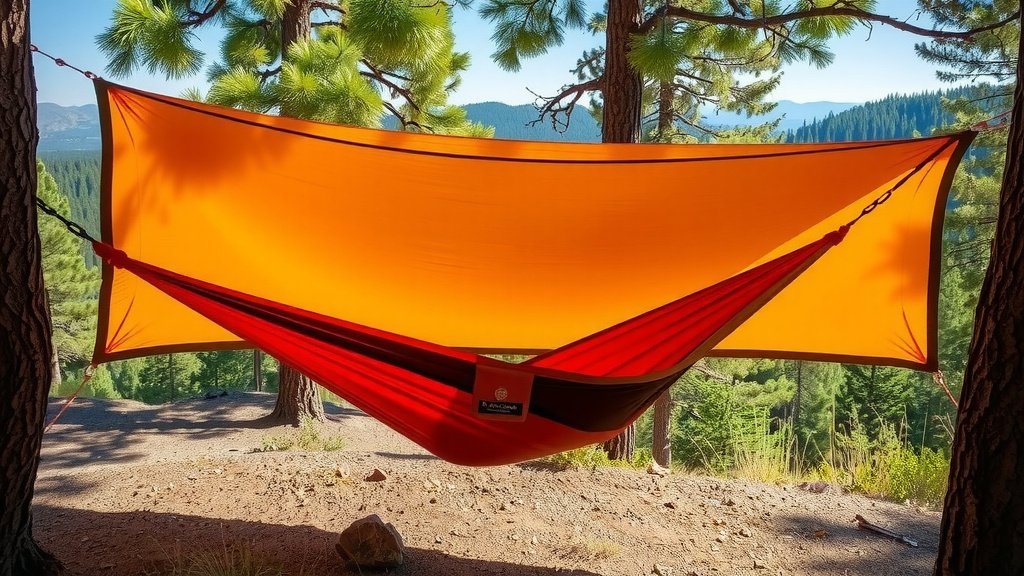
Key Features to Consider
Beyond the basics, a few extra features can enhance your tarp experience.
Ridgeline and Tie-Outs
Does your tarp have a built-in ridgeline? This can simplify setup. More tie-out points offer more pitching options. They also allow you to secure your tarp against wind from different directions. Look for reinforced tie-out points.
Storm Flaps and Doors
Some tarps have extra flaps or doors. These can add protection from wind and rain. They might also offer more privacy. Decide if these features are worth the extra weight and cost for your trips.
Color and Visibility
Consider the color of your tarp. Bright colors are good for visibility. This is helpful if you need to be found in an emergency. Earth tones can help you blend in with nature. Choose what fits your personal safety or aesthetic preferences.
Making Your Final Choice: A Quick Checklist
Here’s a handy checklist to guide your decision:
- Does the tarp offer enough coverage for your hammock and gear?
- Is the waterproof rating sufficient for your typical weather?
- Are the seams sealed or can they be easily sealed?
- What is the total weight, including stakes and lines?
- Does the material seem durable enough for your adventures?
- Do any extra features like doors or extra tie-outs appeal to you?
By considering these points, you can find a hammock tarp that will serve you well for many adventures to come. Happy camping!
Conclusion
Choosing your ideal hammock tarp boils down to matching its features with your personal camping style. You’ve learned how size, shape, material, and weight all play a role in your comfort and protection. By considering these elements, you can find a tarp that keeps you dry and happy on every adventure. Take a moment to think about your typical trip conditions and gear needs. Then, use what you’ve learned to select a tarp that’s right for you.
Frequently Asked Questions
What’s the difference between a hex tarp and a rectangular tarp?
Rectangular tarps offer broad coverage and versatility in pitching, but can be heavier. Hex tarps are lighter and often easier to pitch taut due to their shape, providing excellent coverage with less fabric.
How waterproof does my hammock tarp need to be?
For reliable protection, look for a hydrostatic head (HH) rating of at least 1,500 mm. For frequent rain or more severe weather, a rating of 2,000 mm or higher is recommended.
Do I need to seal the seams on my hammock tarp?
Yes, factory-sealed or taped seams are essential to prevent leaks. If your tarp doesn’t come with sealed seams, you’ll need to seal them yourself with a suitable compound to ensure it’s waterproof.
Is an ultralight tarp always the best choice for backpacking?
Not necessarily. While ultralight tarps save weight, they can be less durable and require more careful handling. Assess if the weight savings are worth potential compromises in longevity and ease of use for your specific trips.
How do I know if a tarp is long enough for me?
Consider your height and hammock length. You want the tarp to extend several feet past both ends of your hammock to prevent rain from splashing in. Measuring your hammock and adding extra length for overlap is a good practice.