
Your Hammock Underquilt Guide for Cozy Nights
A hammock underquilt is your key to comfortable, warm sleeping in your hammock. It’s essential for cold-weather camping. Without one, you’ll feel a chilly draft. This guide will help you pick the best underquilt for your needs and ensure you stay cozy all night. Get ready to sleep soundly outdoors!
Many campers forget about insulation from below. Your sleeping bag is great for trapping air, but it gets compressed by your body weight. This makes it lose its warmth. A hammock underquilt hangs under your hammock. It creates a pocket of warm air around you. We found that this makes a huge difference in comfort.
- What is a hammock underquilt?
- Why you need one for cold camping.
- Types of underquilts and their warmth.
- How to choose the right one for you.
- Tips for setting it up correctly.
Ready to upgrade your hammock camping experience? Let’s walk through exactly how to find the perfect underquilt to keep you warm on your next adventure.
Choosing Your Hammock Insulation System
Think of your hammock as a cozy nest. But when the temperature drops, that nest needs a little extra warmth. Your sleeping bag is great for insulation above you. But gravity does a number on it when you’re inside. It gets squashed flat underneath you. This is where an underquilt comes to the rescue. It’s a special insulated blanket that hangs underneath your hammock. It traps a layer of warm air, keeping the chill away.
Understanding Underquilt Construction
Underquilts aren’t just simple blankets. They’re designed to create a thermal barrier. Most are filled with either down or synthetic insulation. Down is super light and packs small. It offers the Our guide explains how warm underquilts are and what to expect.best warmth-to-weight ratio. Synthetic insulation, on the other hand, performs better when it gets wet. It’s also typically more budget-friendly.
Down Insulation: The Feathered Friend
Down feathers are fantastic insulators. They trap air really well. This creates a fluffy barrier against the cold. Look for a high fill power number, like 700 or 800. A higher fill power means more loft and better insulation for its weight. One drawback is that down loses its insulating power when it gets damp. This is why many backpackers prefer synthetic options for wetter climates (REI).
Synthetic Insulation: The Water-Resistant Workhorse
Synthetic fills mimic the properties of down but do a better job when moist. Materials like polyester or PrimaLoft are common. They still trap air effectively. Even if they get a bit damp, they’ll keep you warmer than wet down. Synthetic underquilts tend to be a bit bulkier and heavier than down ones. But their durability and cost-effectiveness are big pluses.
Matching Underquilt Warmth to Your Needs
The biggest factor in choosing an underquilt is temperature rating. Underquilts are typically rated for specific temperature ranges. It’s best to choose one that’s rated a bit colder than you expect to encounter. This gives you a safety margin.
Understanding Temperature Ratings
Manufacturers usually provide a temperature rating for their underquilts. This rating is a guideline. It’s based on average comfort levels. Keep in mind that personal comfort varies. Factors like metabolism, clothing, and even the wind can affect how warm you feel. A 30°F rated underquilt might feel warmer on a still night than a drafty one. We found that adding a sleeping pad inside your hammock can boost warmth significantly. Learn how adding a sleeping pad can boost warmth significantly.
The Comfort Zone: Ratings Explained
For summer camping, a rating around 40°F to 50°F might be sufficient. Spring and fall often require something in the 20°F to 30°F range. For serious winter camping, you’ll want a rating of 0°F or even lower. It’s better to have too much warmth and vent it than to be uncomfortably cold (Backpacker Magazine).
Types of Underquilt Designs
Underquilts come in different shapes and sizes. The most common types are full-length and three-quarter length. Each has its own advantages for different types of camping.
Full-Length Underquilts: The All-Arounder
A full-length underquilt covers your entire body from head to toe. This offers the maximum amount of warmth. It’s ideal for colder weather or if you tend to sleep cold. You won’t have any exposed areas. This design is excellent for ensuring consistent temperatures all night long. Many hammock campers prefer this for its complete coverage.
Three-Quarter Length Underquilts: Lighter and Leaner
A three-quarter length underquilt covers you from your head to your knees or shins. It leaves your feet exposed. This design is lighter and packs smaller. It’s a great option for warmer weather or for ultralight backpackers. You can supplement foot warmth with extra socks or a small pad. Many found this to be a good compromise for shoulder seasons.
Setting Up Your Underquilt for Maximum Warmth
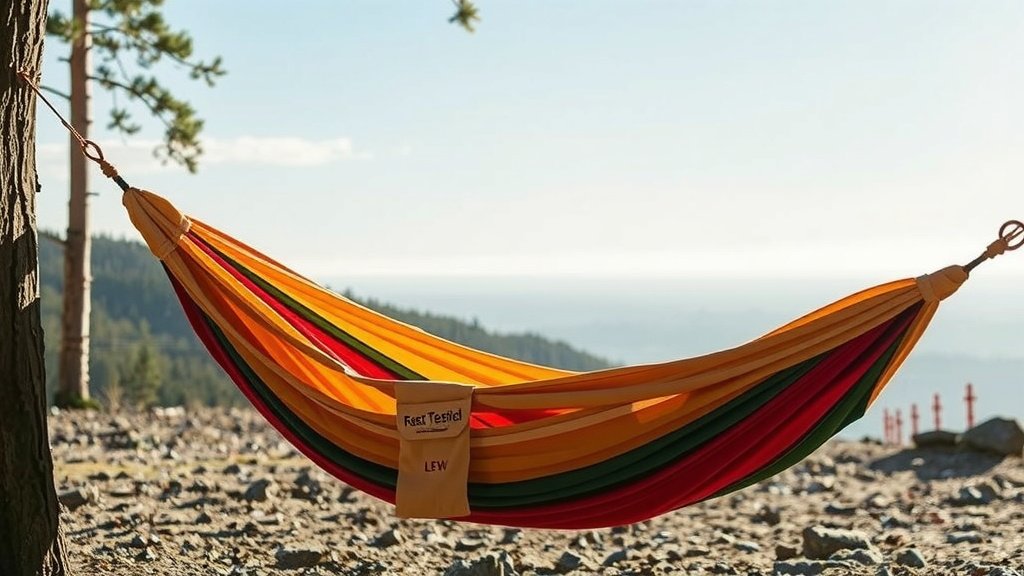
Proper setup is key to getting the most out of your underquilt. A poorly hung underquilt will have drafts. This defeats its purpose. Most underquilts use suspension systems with shock cords and clips. These allow you to easily attach them to your hammock suspension.
Achieving a Snug Fit
The goal is to create a continuous, unbroken layer of insulation. You want to eliminate gaps. This means tightening the suspension cords. You should adjust them so the underquilt hugs your hammock snugly. There should be no visible light or air coming through. We found that taking a few minutes to dial in the tension makes a huge difference in comfort.
Tips for a Draft-Free Experience
- Ensure the underquilt is centered under your hammock.
- Adjust the shock cords so they are taut but not pulling your hammock out of shape.
- Check for any drafts or gaps.
- Make sure the end channels are cinched down tight.
- Consider adding a draft collar around the top edge for extra protection.
Your Underquilt Checklist
Before you head out, run through this quick checklist to ensure your underquilt is ready:
- Temperature Rating: Does it match your expected conditions?
- Insulation Type: Is it down or synthetic, and is it appropriate for your climate?
- Length: Is it full or three-quarter, and does it suit your sleeping style?
- Suspension System: Are all clips and cords present and in good working order?
- Condition: Is there any damage to the fabric or insulation?
- Practice Setup: Have you practiced hanging it before your trip?
Conclusion
You’re now well-equipped to choose the perfect hammock underquilt. Remember, proper insulation from below is key for comfortable cold-weather camping. We’ve covered insulation types like down and synthetic, and how to match temperature ratings to your trips. Don’t forget that a snug, draft-free setup makes all the difference. Your next adventure deserves a warm night’s sleep. Your next step is to pick out an underquilt that fits your budget and camping style, and practice hanging it before you head out.
Frequently Asked Questions
What’s the difference between a full-length and three-quarter underquilt?
A full-length underquilt covers you from head to toe, offering maximum warmth. A three-quarter length underquilt covers you to your knees or shins, making it lighter and more packable. We found that for colder weather, full-length is usually preferred.
Can I use my sleeping bag with an underquilt?
Yes, you can. Your sleeping bag will provide insulation from above. The underquilt handles the insulation from below, preventing body heat loss through compression. This combination creates a truly cozy setup.
How do I know what temperature rating I need?
Consider the lowest temperatures you expect on your trips. It’s wise to choose an underquilt rated about 10-15 degrees Fahrenheit colder than your anticipated lows. This gives you a comfortable buffer for cooler nights.
How tight should my underquilt suspension be?
You want the underquilt to hug your hammock snugly, eliminating drafts. Adjust the suspension cords until there are no visible gaps or light. We found that a bit of tension is good, but don’t over-tighten to the point it distorts your hammock.
Can synthetic underquilts keep me warm in the cold?
Absolutely. Modern synthetic insulations perform very well in cold conditions. While down offers the best warmth-to-weight ratio, synthetic options are excellent because they retain their insulating properties even when damp.