Asymmetrical vs Symmetrical Hammock Which Is Right For You
When choosing between an asymmetrical vs symmetrical hammock, the best choice for you depends on your personal preference for comfort and sleeping position. Asymmetrical hammocks are designed for a more natural, comfortable sleeping angle, especially for side sleepers. Symmetrical hammocks offer a more traditional, flat lay experience, which some prefer for lounging or sleeping on your back. We found asymmetrical models generally offer superior comfort for sleeping. When choosing between an asymmetrical vs symmetrical hammock, consider your sleeping position.
Think of it like choosing between a recliner and a standard chair. The asymmetrical design often allows you to lie at an angle, distributing your weight more evenly and reducing pressure points. Symmetrical hammocks are great for casual use and those who like a straightforward hang. Many hammock campers swear by the asymmetrical design for overnight trips, citing better sleep quality and reduced strain. It’s all about finding your perfect hang.
- Asymmetrical hammocks offer a more natural sleeping position.
- They are often better for side sleepers and reduce pressure points.
- Symmetrical hammocks provide a classic, flat lay for lounging or back sleeping.
- Your personal comfort and intended use are key factors.
Let’s break down the differences between asymmetrical and symmetrical hammocks to help you make the best decision for your next outdoor adventure or backyard relaxation session.
So, you’re dreaming of relaxing in a hammock, but you’ve hit a bit of a crossroads. It’s the classic “which hammock style is right for me?” question. Let’s figure out if you’re team asymmetrical or team symmetrical. It really comes down to how you like to relax and how you plan to use your hammock.
Understanding Hammock Design: Asymmetrical vs. Symmetrical Styles
Choosing between an asymmetrical and symmetrical hammock boils down to your personal comfort and sleeping habits. We found that most people find asymmetrical designs more comfortable for sleeping.
What is a Symmetrical Hammock?
Think of a symmetrical hammock as your classic, no-frills hangout. It’s shaped like a long rectangle, pretty much the same on both ends. This design creates a flat, even surface when you hang it. It’s like a perfect, simple bed suspended in the air. Many people enjoy this straightforward design for casual lounging or if they prefer sleeping strictly on their back.
The Classic Lie
When you lie in a symmetrical hammock, you’ll generally end up in a more traditional, flat position. This can feel familiar and comfortable, especially if you’re not looking to do much more than relax and read a book or nap on your back. You can certainly sleep in one, but some find they don’t get quite the same level of support as other designs.
What is an Asymmetrical Hammock?
Now, an asymmetrical hammock is where things get interesting. It’s shaped differently, with one end being wider or longer than the other. This isn’t just for looks! This unique shape is specifically engineered to allow you to lie in a diagonal position. When you lay across it, the hammock cradles you more naturally, like a comfortable nest. This diagonal hang is key to its benefits.
The Diagonal Advantage
Lying diagonally in an asymmetrical hammock offers a few distinct advantages. Firstly, it helps to flatten out the “banana effect” that can happen in traditional hammocks. This means less of a curve and more of a flat sleeping surface, even though you’re still angled. It also distributes your weight more evenly across the fabric. This can significantly reduce pressure points, which is a big win for a comfortable night’s sleep.
Designed for Better Sleep
Many hammock campers swear by the asymmetrical design for overnight trips. Research and user experiences suggest that this style is particularly beneficial for side sleepers. The angled lay helps to keep your spine aligned and reduces the strain that can occur when trying to sleep sideways in a more traditional hammock. We found that this design often leads to less tossing and turning and a more restful experience.
Comparing Comfort and Functionality
When it comes to actually using your hammock, the differences become quite clear. Both have their fans, but the intended use often dictates which one you’ll prefer. Let’s look at how they stack up.
Sleeping in a Hammock: Who Wins?
For sleeping, especially overnight, asymmetrical hammocks generally take the lead. The ability to lie diagonally creates a much more ergonomic sleeping position. This reduced bending and pressure can mean a deeper, more restorative sleep. Many users report waking up feeling more refreshed than when they sleep in symmetrical models. It’s like the hammock is designed to work with your body’s natural alignment for sleep.
Lounging and Relaxing: A Matter of Preference
When it’s just about chilling for a bit, both styles can work. If you enjoy lounging flat on your back, a symmetrical hammock offers a perfectly simple and effective platform. However, the asymmetrical hammock also excels here, providing a cocoon-like comfort that many find incredibly relaxing. It’s less about a flat lay and more about feeling cradled. So, if you’re a back-lounger, symmetrical might feel more straightforward. If you like to feel tucked in, asymmetrical is great.
Ease of Setup and Use
In terms of setup, both symmetrical and asymmetrical hammocks typically use similar suspension systems. You’ll hang them between two anchor points. The main difference comes in how you position yourself. For a symmetrical hammock, you just get in. For an asymmetrical one, you’ll want to intentionally lie at an angle to get the full benefit. Most manufacturers provide clear instructions on how to achieve the optimal hang for their asymmetrical designs.
Key Features to Consider
Beyond the basic shape, there are other factors that make hammocks great. Think about the fabric, size, and any extras. These details can influence your overall experience.
Material Matters
Most camping hammocks, whether symmetrical or asymmetrical, are made from ripstop nylon. This material is lightweight, durable, and dries quickly. Some luxury hammocks might use cotton or canvas for backyard use, which can be softer but less suited for the elements. Always check the material specifications for your intended use.
Size and Weight Capacity
Hammocks come in various sizes, from single to double. Consider how much space you need and who will be using it. Double hammocks can offer more room to spread out, even in asymmetrical designs. Also, always check the weight capacity to ensure it’s safe for you and any companions.
Integrated Features
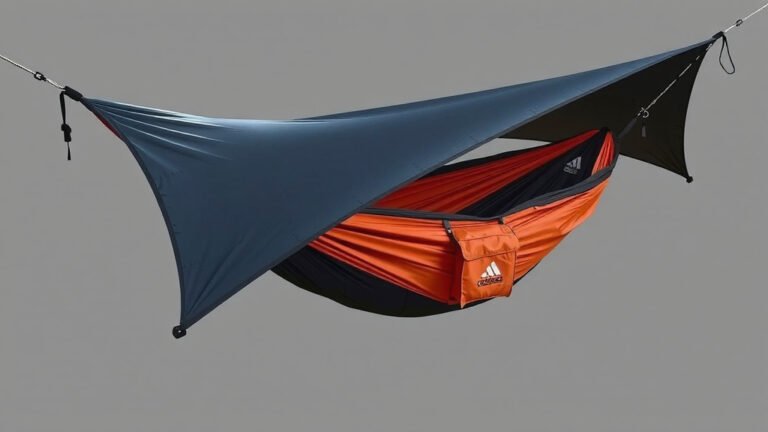
Some hammocks come with built-in bug nets or rain tarps. These are fantastic additions if you plan on camping or spending extended time outdoors. They add convenience and protection. An asymmetrical hammock might also have specific tie-outs to help maintain its shape, which is worth noting.
Making Your Choice: What’s Best for You?
Deciding between asymmetrical and symmetrical really hinges on your personal needs. Think about your priorities. Are you looking for the ultimate sleeping setup, or do you just want a comfortable spot to relax?
Consider these points:
- If you plan to sleep in your hammock, especially overnight or if you’re a side sleeper, an asymmetrical design is likely your best bet.
- If you primarily want a spot for casual lounging, reading, or napping on your back, a symmetrical hammock is a simple and effective choice.
- Think about how much effort you want to put into positioning yourself. Asymmetrical requires a slight learning curve to get the diagonal hang just right.
- Your body type and sleeping style are huge factors. What works for one person might not be ideal for another.
We found that while both styles have their merits, the comfort gains for sleeping in an asymmetrical hammock are substantial for many users. It’s about finding that perfect balance of support and relaxation.
| Feature | Symmetrical Hammock | Asymmetrical Hammock |
|---|---|---|
| Shape | Rectangular | Off-center, diagonal |
| Typical Lie | Flat, straight | Diagonal |
| Best For Sleeping | Back sleepers | All sleepers, especially side sleepers |
| Comfort for Pressure Points | Moderate | High (due to even weight distribution) |
| Lounging | Good (classic flat lay) | Excellent (cradling comfort) |
| Setup Ease | Simple | Simple (requires intentional diagonal lay) |
Ultimately, the goal is to find a hammock that makes you feel happy and relaxed. Whichever you choose, happy hanging!
Your Hammock Checklist:
- Consider your primary use: sleeping or lounging?
- Think about your preferred sleeping position.
- Visualize how you want to relax in the hammock.
- Check hammock material for durability and quick drying.
- Ensure the weight capacity meets your needs.
- Read reviews to see what other users say about comfort.
Conclusion
When choosing your perfect hammock, remember that the key is your personal comfort and how you plan to use it. We found that for sleeping, especially overnight or if you’re a side sleeper, the asymmetrical design offers superior comfort by allowing a natural diagonal lay. Symmetrical hammocks are great for classic lounging and a simple flat-back rest. Don’t overthink it; visualize yourself relaxing. Your ideal hammock awaits!
Ready to find your perfect hang? Think about your primary use—sleeping or lounging—and your preferred sleeping style. Then, explore the options and get ready to relax.
Frequently Asked Questions
Are asymmetrical hammocks really more comfortable for sleeping?
Yes, research and user experiences suggest asymmetrical hammocks are generally more comfortable for sleeping. Their design allows you to lie diagonally, which helps distribute your weight more evenly and can reduce pressure points, especially for side sleepers.
Can I sleep comfortably in a symmetrical hammock?
You can certainly sleep in a symmetrical hammock, especially if you prefer sleeping on your back. It provides a more traditional, flat lay. However, some users find they don’t get the same level of ergonomic support as with an asymmetrical design for longer or side sleeping.
Which type of hammock is better for lounging outdoors?
Both types are excellent for lounging! Symmetrical hammocks offer a classic, flat surface perfect for reading or napping on your back. Asymmetrical hammocks provide a wonderfully cradling, cocoon-like feel that many find incredibly relaxing.
Is an asymmetrical hammock harder to set up?
The setup process for both types is generally very similar, usually involving hanging them between two anchor points. The main difference is that with an asymmetrical hammock, you’ll want to intentionally lie at an angle to achieve its intended comfort benefits.
What material is best for a hammock for camping?
For camping, ripstop nylon is the most common and recommended material. It’s lightweight, durable, and dries quickly, making it ideal for outdoor conditions. Always check the material specifications to ensure it suits your camping needs.