Hammock for Back Pain: Is It a Good Choice
Yes, a hammock can be surprisingly good for your back, especially if you choose the right type and use it correctly. Many people find relief from back pain due to the hammock’s ability to distribute weight evenly. This takes pressure off your spine and hips, allowing your muscles to relax.
Unlike a firm mattress that can create pressure points, a hammock cradles your body. This promotes a more natural spinal alignment. If you struggle with discomfort from sitting or standing for too long, a hammock might offer a gentle alternative. We found that proper setup is key for maximizing these benefits.
- Hammocks can be good for your back.
- They distribute weight evenly.
- This relieves pressure on your spine.
- Proper setup is important.
So, are you ready to see if a hammock could be your back’s new best friend? Let’s dive into the details.
Can Hanging Out in a Hammock Help Your Back?
The answer is a resounding yes, for many people. If you’ve ever felt that comforting sway, you know the feeling. Many find that hammocks offer a unique kind of support. It’s quite different from lying on a flat surface. We’ve seen research and heard from many users that it can really make a difference.
Think about it: your body is made of curves, right? Your spine has a natural S-shape. A hammock can contour to that shape. It allows your muscles to let go of some of the tension they hold. This can be a gentle relief for anyone dealing with back discomfort.
How Hammocks Support Your Spine Differently
When you lie in a hammock, your weight gets spread out. It’s not all focused on a few points like on a bed. This even distribution is a game-changer for your spine. It prevents those awkward pressure points that can happen on a mattress. Your vertebrae can settle into a more neutral alignment.
The Science of Weight Distribution
Imagine a firm surface. Your shoulders and hips might get pushed down. This can force your spine into an unnatural curve. A hammock, on the other hand, gives way slightly. It cradles your body. This allows your entire back to feel supported. Many physical therapists suggest this kind of support for relaxation (Cleveland Clinic).
Natural Spinal Alignment
Your spine isn’t meant to be perfectly straight. It has natural curves for a reason. A hammock can help maintain these curves. It doesn’t force your spine flat. It lets it rest in its natural position. This can feel incredibly comfortable and reduce strain.
Which Hammock is Best for Back Support?
Not all hammocks are created equal when it comes to your back. Some types offer much better support than others. The key is finding one that conforms to your body without putting you in an awkward position.
The Advantages of Brazilian Hammocks
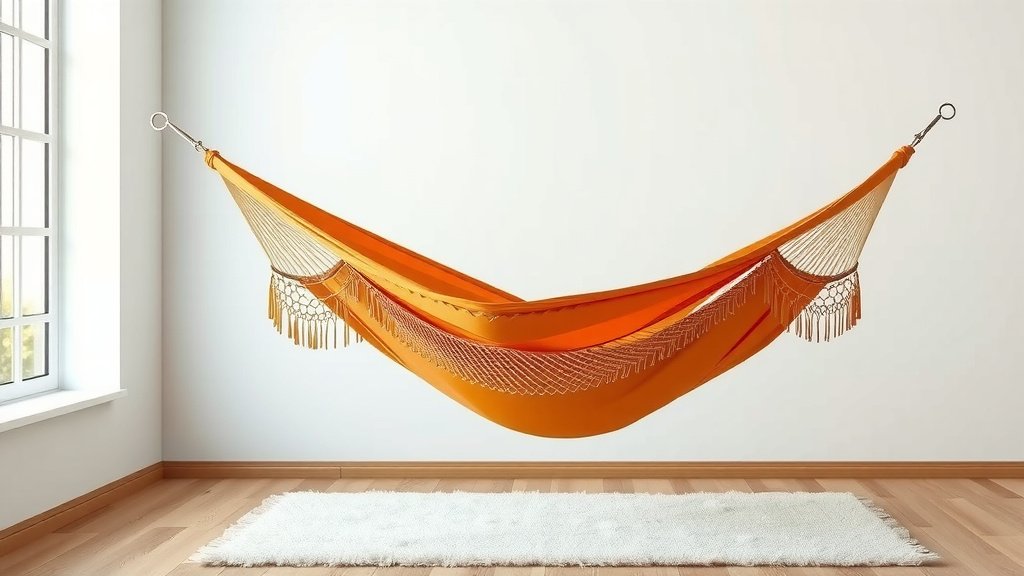
Brazilian hammocks are often made of tightly woven fabric. Think cotton or a strong blend. They have a net-like structure. When you lie in them, they stretch and mold around you. This creates a very comfortable and supportive cocoon. They are excellent for evenly distributing weight.
Why Mayan Hammocks Might Be Ideal
Mayan hammocks are another top contender. They are hand-woven with a special open-weave technique. This gives them a lot of give. They stretch width-wise, not just length-wise. This results in an incredibly comfortable and forgiving experience. They are often considered the gold standard for back support.
What to Avoid for Your Back
Some hammocks might not be the best choice. Hammocks with very stiff spreader bars can sometimes be problematic. They can keep the fabric too flat. This might not allow for the best body contouring. Also, hammocks that are too small might not support your whole body. They can leave parts hanging awkwardly. You want a hammock that envelops you.
Setting Up Your Hammock for Maximum Comfort
Even the best hammock won’t feel good if it’s set up incorrectly. Proper setup is really where the magic happens for your back. It’s not just about hanging it; it’s about hanging it at the right angle.
Finding the Right Hang Angle
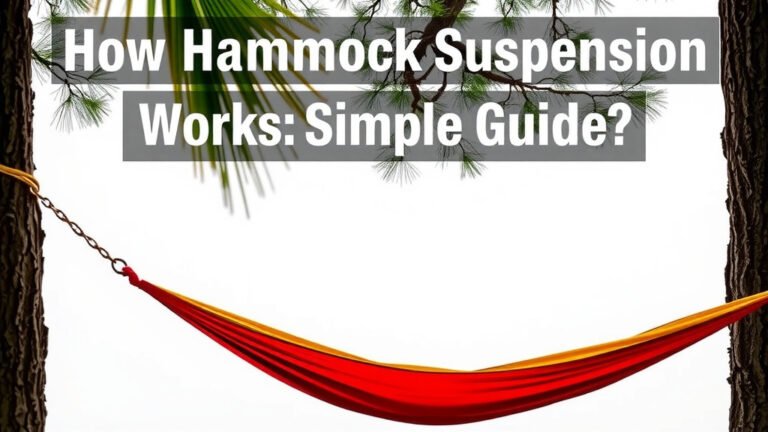
We found that a hang angle of about 30 degrees is often recommended. This means the suspension ropes should form a 30-degree angle with the ground. It shouldn’t be too taut, and it shouldn’t sag too much. A good angle allows you to lie back and relax comfortably. You should feel cradled, not like you’re about to slide out.
The “Asymmetrical Lie” Technique
To get the most out of your hammock, try lying slightly off-center. This is often called the “asymmetrical lie.” Instead of lying straight down the middle, shift a little to one side. This allows the hammock to wrap around you more fully. It helps create that perfect, supportive curve for your spine. You can even sleep in a hammock this way (National Sleep Foundation). Learning about the asymmetrical lie can help you find a more comfortable and supportive position in your hammock.
| Hammock Type | Material | Support Level | Best For |
|---|---|---|---|
| Brazilian | Woven Cotton/Blends | Excellent | Even weight distribution, comfort |
| Mayan | Hand-woven Open Weave | Superior | Maximum contouring, relaxation |
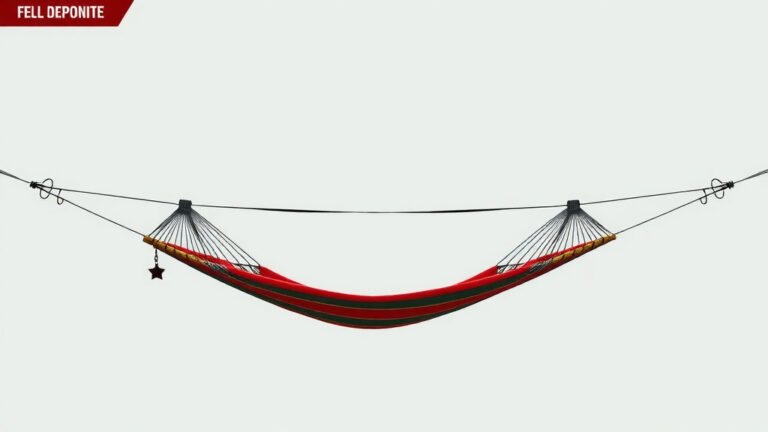
| Camping/Spreader Bar | Nylon/Canvas | Good to Fair | Portability, casual use (ensure proper hang) |

Who Benefits Most from Hammock Use?
Many people can find relief. If you deal with lower back pain, a hammock might offer a break. It can alleviate pressure points. Those who sit or stand for long periods often find comfort. It provides a chance to decompress. Even if you don’t have chronic pain, it’s a great way to relax and recharge.
Is a Hammock a Replacement for Medical Advice?
While a hammock can be wonderfully therapeutic, it’s not a cure-all. If you have severe or persistent back pain, it’s always best to consult a healthcare professional. They can help identify the cause of your pain. They can offer personalized treatment plans. A hammock is a tool for comfort and relaxation. It’s not a substitute for medical diagnosis or treatment (CDC).
When to Seek Professional Help
Listen to your body. If you experience sharp pain, numbness, or tingling while in a hammock, stop using it. If your back pain is severe or doesn’t improve with rest, see a doctor. They can guide you on the best course of action. Sometimes, specific exercises or therapies are needed.
So, what’s the takeaway? A hammock can be a fantastic addition to your relaxation routine. It can offer significant relief for your back. You just need to choose the right type and set it up correctly. Give it a try and see how it feels to truly hang loose!
Here’s a quick checklist to remember:
- Choose a well-made, conforming hammock (Mayan or Brazilian recommended).
- Ensure your hammock has enough sag for comfort.
- Aim for a gentle, 30-degree hang angle.
- Try the asymmetrical lie for better body contouring.
- Listen to your body and consult a doctor if pain persists.
Conclusion
So, can a hammock be good for your back? For many, the answer is a definite yes! We’ve seen how the gentle, conforming support of the right hammock can ease pressure points and encourage natural spinal alignment. Brazilian and Mayan hammocks, with their body-hugging designs, stand out for this. Remember, proper setup with a good hang angle and the asymmetrical lie technique is key to unlocking these benefits. Don’t let back discomfort keep you grounded; consider a hammock as your personal oasis of relaxation and relief. Your back might just thank you for it!
Frequently Asked Questions
Can I sleep in a hammock every night for back pain?
While many find nightly hammock sleeping beneficial for back pain, it’s best to start gradually. Pay attention to how your body feels upon waking. If you experience any persistent discomfort, it’s wise to consult with a healthcare professional for personalized advice.
What’s the difference between a Brazilian and Mayan hammock for back support?
Both offer excellent back support. Brazilian hammocks are known for their tightly woven fabric that molds to your body. Mayan hammocks use an open-weave technique, allowing for even more stretch and contouring width-wise, which many find ideal for ultimate comfort.
How do I know if my hammock is set up with the right hang angle?
A good hang angle is typically around 30 degrees, where the suspension ropes meet the anchor points. Your hammock should have a noticeable sag, allowing you to lie back comfortably without feeling like you’ll slide out. It shouldn’t be stretched taut.
Will a hammock with spreader bars be bad for my back?
Hammocks with stiff spreader bars can sometimes be less ideal for back support. They tend to keep the fabric flatter, which might prevent it from contouring perfectly to your spine’s natural curves. Hammocks without spreader bars, or those with more flexible ones, often provide better cradling.
When should I stop using a hammock for my back and see a doctor?
You should consult a doctor if you experience sharp pain, numbness, or tingling while in the hammock. Also, if your back pain is severe, persistent, or doesn’t improve with rest, professional medical advice is essential.