When to Use Your Hammock Tarp for Shelter
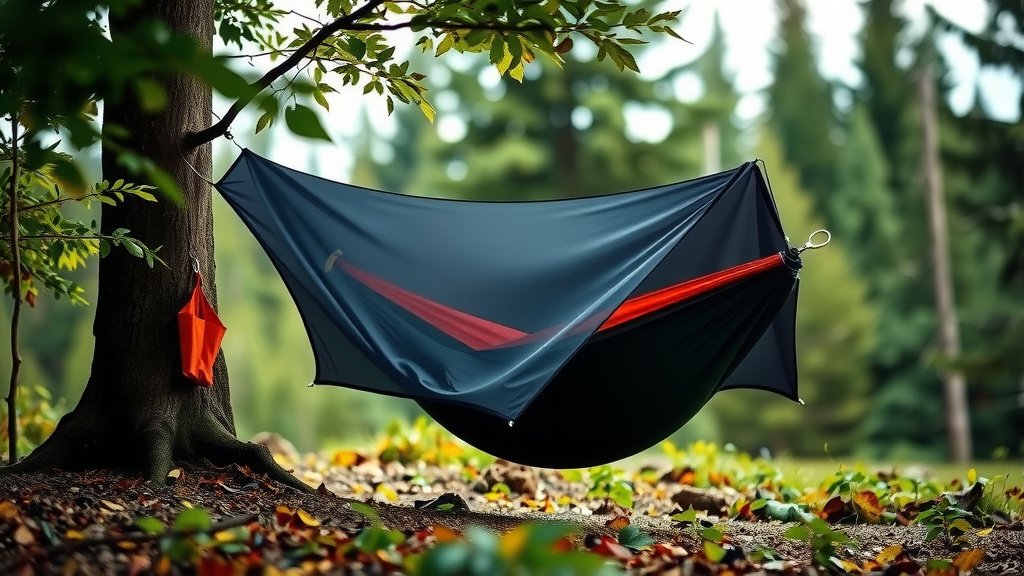
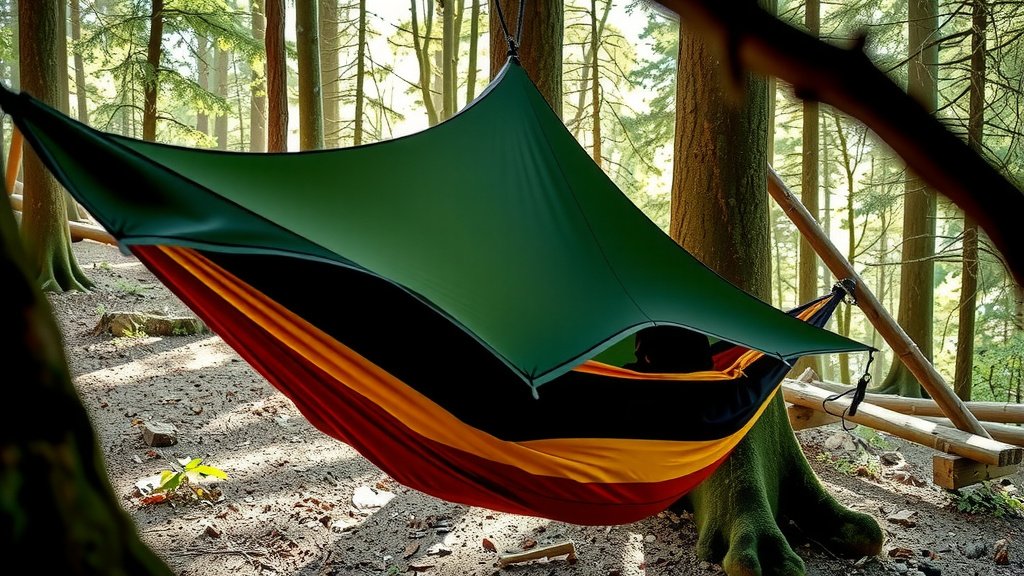
You should use a hammock tarp when you need reliable protection from the elements while camping or relaxing outdoors. It acts as a shield against rain, sun, and wind, ensuring your hammock stays dry and you remain comfortable. Think of it as your personal outdoor canopy for cozy hammock hangs.
A hammock tarp isn’t just for rainy days; it’s a versatile piece of gear. It can provide shade on a scorching afternoon or create a windbreak when the breeze picks up. Many campers find it essential for comfort and keeping their gear dry. We found that it truly enhances the hammock camping experience.
- Use a tarp for rain protection.
- Use it for sun shade.
- It also blocks wind.
- It keeps your hammock dry.
- It’s great for comfort.
Ready to learn more about when and how to best use your hammock tarp? Let’s dive into the details to help you make the most of your outdoor adventures.
Understanding When Your Hammock Needs a Roof
Your hammock is your cozy escape, your personal cloud. But what happens when the sky decides to join the party uninvited? That’s where a hammock tarp swoops in. You’ll want to deploy your tarp any time weather threatens your comfort or your gear. It’s your mobile shelter, a simple yet brilliant way to stay dry and protected.
Protection From the Rain: The Obvious Winner
Let’s face it, rain is the number one reason most people grab their hammock tarp. No one enjoys a soggy sleeping bag or a damp hammock. A well-pitched tarp acts like an umbrella for your entire hang. It keeps water off you and your setup. We’ve found that even light drizzles can become a major annoyance without cover. Your tarp is your first line of defense against unexpected downpours.
Keeping Your Gear Dry
It’s not just about you staying dry. Think about your backpack, your sleeping pad, and any other items you keep near your hammock. These can quickly become soaked and unusable if left exposed. A tarp provides a dry zone for your essentials. This is especially important on longer trips where drying gear can be a challenge. We found that keeping electronics and extra clothes dry is a huge relief.
Maintaining Hammock Longevity
Prolonged exposure to moisture can damage your hammock fabric over time. Mold and mildew can become an issue if your hammock stays wet for extended periods. A tarp helps keep your hammock dry between uses, extending its lifespan. Many fabric manufacturers suggest keeping hammocks dry when not in use. Your tarp is a simple way to honor that advice and keep your favorite hang spot in good shape.
Beating the Heat: Shade is Your Friend
Summer days can be glorious, but they can also be scorchingly hot. Your hammock is a great place to relax, but direct sun can quickly make it unbearable. This is where your tarp shines as a shade provider. It creates a cool, shaded oasis where you can lounge comfortably. We found that even a light breeze feels much cooler when you’re out of the direct sun.
Creating a Cooler Microclimate
The shade from a tarp can significantly lower the temperature underneath it. This is due to the simple fact that it blocks direct solar radiation. Think of it like wearing a hat on a hot day. You feel cooler because the sun isn’t beating down directly on your head. A tarp does the same for your entire lounging area. Many outdoor enthusiasts agree that shade is key to enjoying hot weather.
Protecting Against UV Rays
Beyond just heat, direct sunlight exposes you to harmful ultraviolet (UV) radiation. While short sun exposure can be beneficial for Vitamin D, prolonged exposure carries risks. A hammock tarp acts as a barrier, blocking a significant portion of these UV rays. The American Academy of Dermatology recommends seeking shade as one method to protect your skin. This protection is an often-overlooked benefit of using a tarp.
Windbreaks for Added Comfort
Wind can turn a pleasant outdoor experience into a chilly ordeal. Even on a warm day, a strong breeze can sap your body heat. Your hammock tarp can be strategically positioned to create a windbreak. This shields you from direct gusts, making your hammock time much more comfortable. We found that this is particularly useful in open areas or during breezy evenings.
Reducing Wind Chill
Wind chill is the effect of wind making it feel colder than the actual air temperature. When wind blows across your skin, it removes heat faster. By blocking the wind, your tarp reduces this effect. It helps you retain body heat and stay warmer. This is a big deal when temperatures start to drop or when the wind picks up unexpectedly. Many camping guides highlight wind protection for comfort.
Securing Your Setup
In gusty conditions, wind can also put stress on your hammock suspension. While not its primary purpose, a tarp can offer a bit of extra stability. It can help to buffer some of the stronger gusts. However, it’s crucial to ensure your tarp and hammock are securely anchored. We found that proper knot-tying is essential in windy conditions for safety.
When the Forecast is Uncertain
Sometimes, the weather forecast is a coin flip. You might have a beautiful sunny morning, but clouds are predicted for the afternoon. Or perhaps there’s a slight chance of showers. In these situations, it’s wise to be prepared. Bringing your tarp along means you’re ready for anything the sky throws at you. It’s better to have it and not need it, than to need it and be caught unprepared.
The “Just in Case” Scenario
Many experienced campers and hikers swear by the “just in case” principle for gear. Your hammock tarp fits perfectly into this philosophy. It adds minimal weight and bulk but offers maximum potential benefit. We’ve heard countless stories of unexpected weather changes ruining outdoor plans. Being prepared with a tarp can save your day.
Enhancing Your Hammock Camping Experience
Ultimately, using a hammock tarp isn’t just about survival; it’s about enhancing your overall experience. It transforms your hammock from a fair-weather friend into a reliable shelter. You can relax more, worry less about the elements, and enjoy your time outdoors to the fullest. Many hammock campers consider a tarp a non-negotiable item.
Creating a More Livable Space
Think of the area under your tarp as a small, personal campsite. It’s a dry, shaded, and wind-protected zone. You can set up a small camp chair, prepare a meal, or simply read a book without feeling exposed. It makes your hammock setup feel more like a fully functional base camp. We found that this creates a much more comfortable and enjoyable camping trip.
Versatility Beyond Rain
As we’ve seen, the tarp is a multi-talented piece of gear. It’s not just for rain. It’s for sun, wind, and creating a cozy personal space. This versatility makes it a worthwhile addition to your outdoor kit. You might even find yourself using it for picnics or as a temporary play shelter for kids. Its uses often go beyond just protecting your hammock.
Checklist: When Should You Bring Your Hammock Tarp?
- Rain is forecasted, even a slight chance.
- Sunny days where you’ll want shade.
- Windy conditions are expected.
- Camping overnight or for extended periods.
- You want to keep your gear dry and protected.
- You want maximum comfort in varying weather.
Conclusion
You’ve learned that a hammock tarp is more than just a rain shield; it’s your all-weather companion. It keeps you dry from unexpected showers, shaded from the harsh sun, and protected from chilling winds. We’ve seen how it shields your gear and helps your hammock last longer. Think of it as creating your own comfortable outdoor room, no matter the forecast. Your next step? Pack your tarp and experience enhanced comfort on your very next outing.
Frequently Asked Questions
Is a hammock tarp always necessary for overnight trips?
Not always, but we highly recommend it for overnight trips. Even if the forecast is clear, weather can change quickly. A tarp provides peace of mind and ensures you have a dry place to sleep, protecting your hammock and gear from dew or unexpected drizzles.
Can I use my hammock tarp as a standalone shelter without a hammock?
Yes, you can! Many people use hammock tarps as lightweight, minimalist shelters. You can pitch them with trekking poles or trees to create a quick lean-to for sitting or cooking, especially during day hikes or festivals.
How much weight does a hammock tarp add to my pack?
Hammock tarps vary in weight, but most are designed to be lightweight. You can expect a tarp to add anywhere from 1 to 2.5 pounds to your pack. This is a small price to pay for the added comfort and protection it offers.
Do I need a special tarp for my hammock, or will any tarp work?
While any tarp can offer some protection, hammock-specific tarps are designed with your hammock in mind. They often have built-in tie-out points and shapes that provide optimal coverage for a hammock setup, ensuring better wind and rain deflection.
When is it okay to leave my hammock tarp at home?
You might consider leaving your tarp behind for very short, casual hangs on days with absolutely no chance of rain, strong sun, or wind. This could be a quick setup in your backyard or a park on a perfectly calm, overcast afternoon. For any kind of camping or extended outdoor relaxation, bringing it is usually the smart choice.