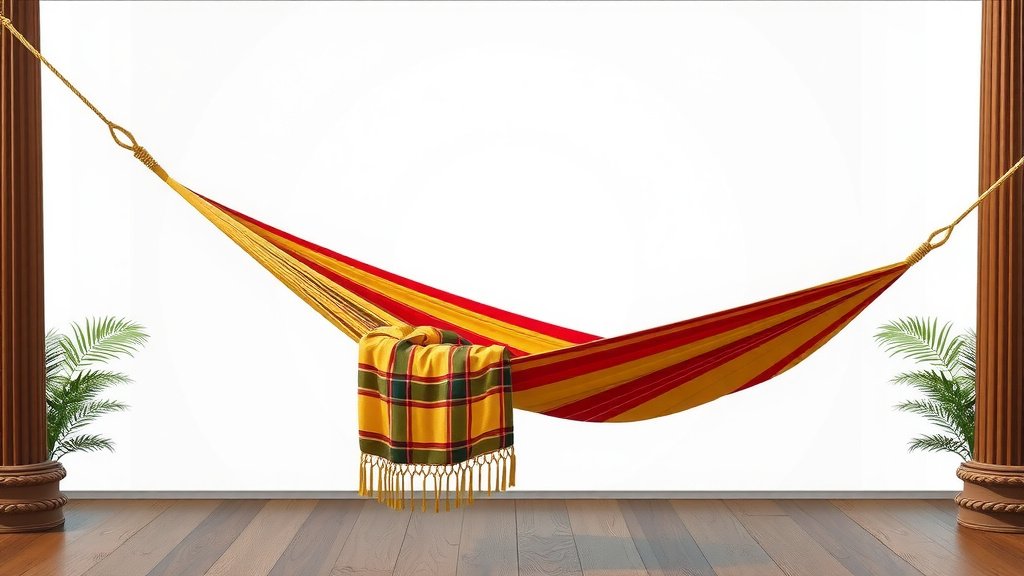
Hammock Width: Finding the Perfect Size for Comfort
For a comfortable hammock experience, you generally want a width of around 5 to 6 feet. This allows for enough space to lounge, relax, and even lay diagonally, which many find to be the most comfortable sleeping position. A wider hammock offers more versatility and support, making it ideal for extended relaxation.
The ideal hammock width can depend on how you plan to use it and your personal preferences. A wider hammock provides more surface area for stretching out. If you’re looking for a double hammock for two, you’ll definitely want to go wider. We found that width is a key factor in overall hammock satisfaction.
- Most hammocks are 5-6 feet wide.
- Wider hammocks offer more comfort and versatility.
- Consider width for solo lounging vs. sharing.
- Diagonal sleeping needs more width.
Let’s walk through exactly what width might be best for your hammock setup.
Choosing the Right Hammock Width for Your Comfort
So, you’re wondering about hammock width. It’s a great question! The width of your hammock is super important for comfort. It’s not just about how long it is, but how much space you have to spread out. Let’s break down what makes a hammock the right width for you.
Understanding Hammock Dimensions
Hammock sizes can seem a little confusing at first. You’ll often see two main measurements: length and width. The length tells you how long the hammock is from end to end. The width is the actual fabric you’ll be lying on. For most people, the width is the key player in comfort.
What Standard Hammock Widths Mean
When you shop for hammocks, you’ll see a range of widths. Many common hammocks measure around 5 to 6 feet wide. This is often referred to as a “standard” or “single” hammock width. It’s enough for one person to relax in. You can get a decent amount of wiggle room within this size.
Why Width Matters for Relaxation
Think about it: would you rather sit in a narrow chair or a wide, plush one? The same applies to hammocks. A wider surface means you can stretch out more. You won’t feel like you’re being squeezed. This extra space is key for really kicking back and enjoying your downtime. Many find that a wider hammock makes it easier to find that perfect, cozy spot.
How You Plan to Use Your Hammock
Your hammock’s primary purpose will guide your width choice. Are you a solo lounger? Do you envision sharing your relaxation station? These questions help determine the perfect size.
Solo Lounging: More Space to Yourself
If it’s just you and your hammock, you have some flexibility. A standard 5-foot width might be perfectly fine. However, if you love to sprawl out or toss and turn a bit, going wider is a smart move. We found that a hammock in the 6 to 7 foot range offers ample room for a single person to get truly comfortable. You can shift your weight easily. It feels less like a tightrope and more like a personal cloud.
Sharing the Hammock: Double the Fun, Double the Width
Planning to share your hammock with a partner, a pet, or even a couple of kids? You’ll absolutely need more width. Double hammocks are designed for this. They typically start around 6 feet wide and can go up to 8 feet or more. This gives everyone enough space without feeling cramped. Many experts suggest at least 6 feet for two average-sized adults to relax side-by-side comfortably (Hammock Enthusiast Blog). Without enough width, sharing can quickly become awkward. You don’t want to be playing hammock Tetris!
The Diagonal Dream: Laying Flat
Have you ever heard people talk about laying “flat” or “diagonally” in a hammock? This is often considered the ultimate relaxation pose. It distributes your weight evenly and can feel like you’re lying in a bed. To achieve this blissful state, you need a wider hammock. A standard width might not be enough. We found that hammocks 6 feet or wider are generally recommended for comfortable diagonal lying. This allows your body to stretch out lengthwise without feeling like you’re about to roll out. Your shoulders and hips need that extra fabric room.
Factors Beyond Just Width
While width is a major component of comfort, other dimensions and materials play a role too. Don’t forget to consider these!
Hammock Length: Long Enough to Stretch
Length is also important. A hammock that’s too short will feel restrictive, even if it’s wide. Most hammocks are around 9 to 12 feet long. This length allows for that lovely curve that cradles your body. If you’re particularly tall, you’ll want to ensure the overall length accommodates your height. Some manufacturers even offer “extra-long” versions.
Hammock Material: Softness and Stretch
The fabric itself makes a difference. Cotton hammocks are wonderfully soft and breathable. They offer a bit of stretch. Spreader bar hammocks, which have wooden or metal bars at each end, tend to lay flatter but can be less stable. Nylon hammocks are durable and often water-resistant, great for camping. The material can affect how the width feels and supports you.
Finding Your Perfect Fit: A Quick Checklist
To sum it up, think about these points when deciding on your hammock’s width:
- Do you usually hang out alone or with others?
- Do you like to stretch out or curl up?
- Do you dream of laying perfectly flat on your back?
- Are you taller than average?
- What kind of material feels most comfortable to you?
- Where will your hammock be used most often (backyard, camping, etc.)?
Width Recommendations at a Glance
To help you visualize, here’s a quick table based on our findings and common recommendations:
| Intended Use | Recommended Width | Notes |
|---|---|---|
| Solo Lounging | 5 – 6.5 feet | More width for sprawling and movement. |
| Solo Diagonal Laying | 6 – 7 feet | Provides enough space to lay flat comfortably. |
| Sharing (2 Adults) | 6 – 8 feet | Ample room for two without feeling cramped. |
| Sharing (with Pets/Kids) | 7 – 8+ feet | Extra space for furry friends or little ones. |
Remember, these are general guidelines. Personal preference is king when it comes to comfort. What feels perfect for one person might feel slightly different for another. We encourage you to think about your own habits and desires.
Conclusion
Choosing the right hammock width boils down to how you want to relax. A standard 5-6 foot width is great for casual solo lounging. If you dream of laying flat, sharing with a partner, or just love to sprawl, aim for 6 feet or wider. We found that extra width truly enhances the comfort and versatility of your hammock experience. Don’t just pick any hammock; select one that fits your personal relaxation style. Your perfect hammock awaits – go find that ideal width and get ready to unwind!
Frequently Asked Questions
Is a 5-foot wide hammock wide enough for one person?
For most solo loungers, a 5-foot wide hammock is often sufficient. You’ll have enough space to get comfortable. If you tend to move around a lot or enjoy stretching out, you might prefer a hammock closer to 6 feet wide.
What’s the best hammock width for couples?
When sharing, width becomes much more important. We recommend looking for hammocks that are at least 6 feet wide, and ideally 7 to 8 feet wide for maximum comfort. This ensures both people have enough personal space without feeling crowded.
Does hammock width affect the ability to lay flat?
Yes, it absolutely does. Laying flat or diagonally requires more fabric surface area to support your body evenly. Hammocks that are 6 feet wide or more generally provide the best experience for comfortable diagonal lying.
Are spreader bar hammocks wider than other types?
Not necessarily. Spreader bar hammocks typically have a standard fabric width, but the bars at the ends can make them *feel* wider or lay flatter. The fabric width itself is the key measurement for how much space you have to lie in.
Can a hammock be too wide?
While it’s less common, a hammock could technically be too wide for some setups. If you have very specific hanging points, an extremely wide hammock might be difficult to get the right tension. For most backyard or camping uses, however, wider is usually better for comfort.