
Hammock Weight Capacity: How Much Can It Hold
Most hammocks can hold between 200 to 500 pounds, depending on their material and construction. A standard camping hammock often supports around 400 pounds. Some heavy-duty or XXL hammocks are designed to hold even more. Always check the manufacturer’s weight limit before settling in for a relaxing swing.
It’s not just about how much a hammock *can* hold, but how it’s set up. Proper hanging techniques and secure anchor points are essential. Using the right straps can also distribute weight better, making your hammock feel safer. Think of it like choosing the right tools for a job; the right setup makes all the difference.
- Most hammocks hold 200-500 lbs.
- Check the specific weight limit for your hammock.
- Heavy-duty options exist for higher capacities.
- Proper hanging is key to safety.
We’ve gathered the essential details to help you understand hammock weight limits. Let’s figure out what weight your hammock can safely support.
What’s the Weight Capacity of a Hammock?
You’re probably wondering, “How much weight can my hammock actually hold?” It’s a fair question! You want to relax, not worry about a sudden drop. Most standard hammocks are designed to support between 200 and 500 pounds. This range covers a lot of relaxing needs for individuals and even some couples.
Understanding Hammock Weight Limits
The weight a hammock can hold isn’t just a random number. It’s directly tied to its materials and construction. Think of it like building a bridge; the stronger the materials and the better the design, the more weight it can safely carry.
Material Matters a Lot
The type of fabric used is a big factor. Nylon, especially ripstop nylon, is popular for camping hammocks. It’s lightweight, durable, and can stretch a bit to comfortably support weight. Cotton hammocks are comfy but might not hold as much and can degrade over time with exposure to the elements.
Many reputable brands use high-tensile nylon or polyester. These materials are chosen for their strength-to-weight ratio. A stronger weave means the fabric itself is less likely to tear or stretch beyond its limits. We found that hammocks made from tightly woven parachute nylon often have the highest weight capacities within the typical range.
Construction Techniques Play a Role
How the hammock is put together is just as important. Look at the seams and stitching. Reinforced stitching along the edges and at the suspension points adds considerable strength. A well-constructed hammock distributes your weight evenly, preventing stress on any single point.
The suspension system itself—the loops, ropes, or straps attached to the ends—must also be robust. Even a super-strong hammock bed will fail if its attachment points can’t handle the load. Many manufacturers invest in **heavy-duty hardware** and reinforced end loops for this reason.
Common Hammock Types and Their Capacities
Hammocks come in various styles, and their intended use often dictates their weight limit. Here’s a general breakdown:
| Hammock Type | Typical Weight Capacity (lbs) | Best For |
|---|---|---|
| Standard Camping Hammock | 300 – 450 | Backpacking, casual use |
| Double Camping Hammock | 400 – 500 | Two people, extra space |
| XXL or Extended Hammock | 500 – 600+ | Larger individuals, multiple people, maximum comfort |
| Fabric Hammock (Cotton/Polyester Blend) | 200 – 350 | Backyard lounging, porch swings |
| Brazilian Hammock | 300 – 500 | Comfortable lounging, artistic design |
The Importance of the Manufacturer’s Weight Limit
This might sound obvious, but it bears repeating: always check the tag or product description. The manufacturer specifies the weight limit based on rigorous testing. Exceeding this limit isn’t just risky; it can damage the hammock and lead to dangerous situations.
Think of it like a sign on a bridge. It’s there for your safety and the longevity of the structure. Respecting the stated weight capacity is the smartest way to enjoy your hammock. Many experts agree that adhering to these limits is the primary way to ensure a safe and enjoyable experience (Consumer Product Safety Commission).
Factors Beyond the Hammock Itself
While the hammock’s build is crucial, the way you hang it is equally important. A poorly hung hammock can feel unstable, even if you’re well within its weight limit. Let’s look at what makes a safe and secure setup.
Anchor Points are Your Foundation
Where you attach your hammock matters most. You need strong, stable anchor points. This usually means trees that are healthy and at least 6-8 inches in diameter. Avoid dead trees or those with visible rot.
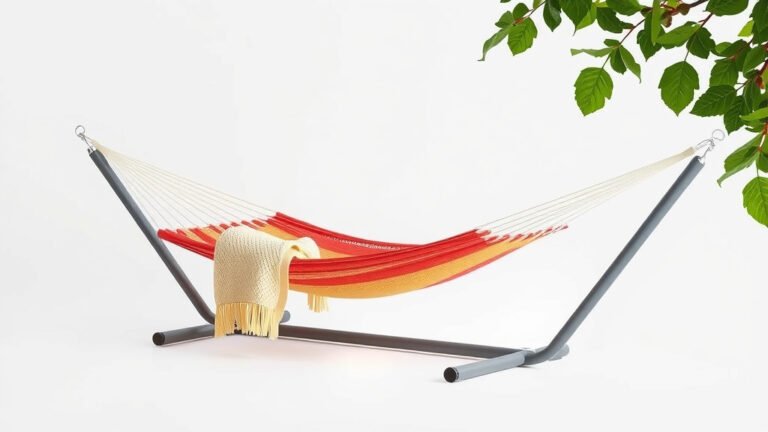
If you’re not using trees, dedicated hammock stands are a great option. These are designed to hold the weight safely and are perfect for patios or yards where trees aren’t available. Always ensure the stand itself has a sufficient weight rating. We found that many users opt for stands for **consistent stability**.
What about a sturdy fence post? Generally, no. Most fence posts aren’t designed to bear the dynamic load of a person swinging in a hammock. The constant pulling and swaying can easily loosen or break them. It’s better to be safe than sorry.
Hanging Straps and Their Role
The straps you use to connect your hammock to the anchor points play a vital role. Wide, durable suspension straps are recommended. They distribute the pressure on the tree bark, reducing the risk of harming the tree. Wide straps also provide a more secure grip than thin ropes.
Many camping hammocks come with basic suspension systems. However, upgrading to a set of **heavy-duty hammock straps** can significantly increase your setup’s safety and weight capacity. These aftermarket straps often feature multiple loops, allowing you to adjust your hang angle and distance easily.
Proper Hanging Technique
How far apart should your anchor points be? A good rule of thumb is to hang your hammock with a 30-degree sag. This means when you’re in it, it should form a gentle curve, not be pulled taut like a tightrope.
The anchor points should typically be spaced about 10-15 feet apart. Too close, and the hammock will be uncomfortably steep. Too far, and you might strain your suspension system or anchor points. Experimenting with the distance will help you find that perfect sweet spot for comfort and safety.
A Quick Safety Checklist
Before you settle in for your next hammock session, run through this quick checklist:
- Check the Weight Limit: Is your weight within the hammock’s stated capacity?
- Inspect Anchor Points: Are your trees or stand sturdy and healthy?
- Examine Straps/Ropes: Are they free of frays or damage? Are they wide enough?
- Test the Hang: Does the hammock have a comfortable 30-degree sag?
- Look for Wear: Any signs of damage on the hammock itself?
Taking these simple steps helps ensure your hammock experience is relaxing, not unnerving. Your peace of mind is worth the extra minute of checking!
Conclusion
You’ve learned that your hammock’s weight capacity is a blend of its materials and how you hang it. While most hammocks support 200-500 pounds, the specific limit is on the tag. Stronger fabrics and reinforced stitching mean higher limits. Remember, sturdy anchor points and proper hanging straps are just as vital as the hammock itself. Always check the manufacturer’s guidelines and inspect your setup before you relax. Prioritize safety, and your hammock will provide countless hours of peaceful enjoyment.
Frequently Asked Questions
Can I hang my hammock between two fence posts?
Generally, it’s not recommended to hang a hammock between standard fence posts. Most fence posts aren’t designed to handle the dynamic load and constant pulling from a swinging hammock. This can lead to the posts becoming loose or even breaking, creating an unsafe situation. It’s safer to use dedicated hammock stands or strong, healthy trees.
What happens if I exceed my hammock’s weight limit?
Exceeding your hammock’s weight limit can have serious consequences. The fabric could tear, the stitching might give way, or the suspension system could fail, leading to a sudden fall. This not only damages your hammock but also poses a significant safety risk for anyone using it.
Are cotton hammocks less safe than nylon ones?
Cotton hammocks can be very comfortable, but they often have lower weight capacities and are more susceptible to wear and tear from weather. Nylon, especially ripstop nylon used in camping hammocks, is known for its strength, durability, and lighter weight, generally supporting more weight and lasting longer outdoors.
How important is the sag in my hammock for weight support?
The sag is quite important for both comfort and weight distribution. Aiming for about a 30-degree sag helps distribute your weight evenly across the fabric and suspension. A hammock hung too taut can put excessive stress on the anchor points and the hammock itself, potentially reducing its effective weight capacity and increasing the risk of failure.
Can two people use a single hammock if their combined weight is under the limit?
Many hammocks are rated for single use, but double hammocks are specifically designed to hold more weight, often up to 500 pounds or more. Even with a double hammock, it’s essential to check the manufacturer’s specified weight limit for two people. Sharing a hammock that isn’t designed for it can strain the material and suspension, even if you’re technically within a single person’s limit.