
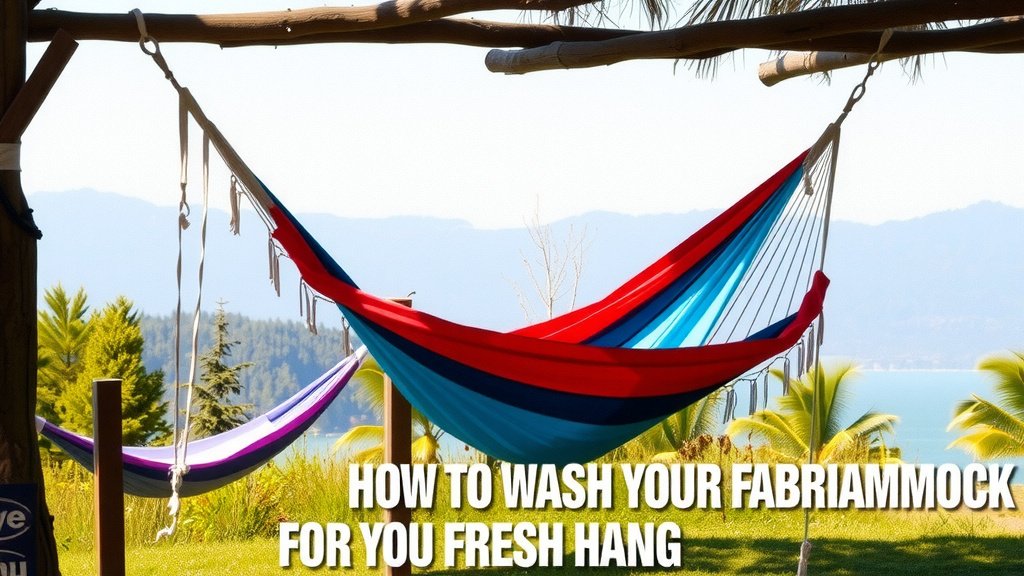
How to Wash Your Fabric Hammock for a Fresh Hang
The easiest way to wash a fabric hammock is by hand washing it in cool water with a mild detergent. This gentle approach helps maintain the fabric’s integrity and prevents damage. For most hammocks, you can also use a washing machine on a delicate cycle, but always check the manufacturer’s care tag first to be sure.
Keeping your hammock clean ensures it lasts longer and remains a comfortable spot for relaxation. Regular cleaning removes dirt, mildew, and potential allergens. A well-maintained hammock is a great outdoor addition. We’ll guide you through the best methods to get your hammock looking and smelling fresh.
- Check the care tag for specific instructions.
- Hand washing is the gentlest method.
- Machine washing is possible but use a delicate cycle.
- Always air dry your hammock completely.
- Avoid harsh chemicals or bleach.
Let’s walk through exactly how to get your fabric hammock sparkling clean step by step, so you can get back to enjoying those lazy afternoons.
Keeping Your Fabric Hammock Fresh and Clean
A clean hammock is a happy hammock! You’ll want to keep yours looking and smelling its best for those lazy afternoons. We’ve got the best methods to get your fabric hammock sparkling clean. Let’s walk through exactly how to do it step by step.
Your Fabric Hammock Cleaning Guide
You’ve invested in a comfy spot to relax, and keeping it clean will make it last much longer. Dirt, mildew, and general grime can build up over time. Don’t worry, cleaning your fabric hammock is usually quite simple. We’ll cover the safest and most effective ways to get it looking brand new again.
Step 1: Inspect Your Hammock
Before you even think about water, take a good look at your hammock. Check for any obvious rips, tears, or loose threads. These areas might need a little extra care. Also, see if there are any stubborn spots of dirt or mildew that need pre-treatment. This quick inspection helps prevent further damage during cleaning.
Step 2: Check the Care Tag
This is super important! Your hammock likely has a care tag attached. This tag holds the key to how it should be cleaned. It will tell you if it’s machine washable, if you should avoid certain detergents, or if hand washing is the only way to go. Always follow these instructions. Manufacturers know their fabrics best.
Step 3: Pre-Treat Stains
Got a tough stain? Don’t panic. You can pre-treat it before the main wash. Mix a small amount of mild detergent with cool water. Gently rub the stained area with a soft cloth or sponge. For stubborn mildew spots, a solution of equal parts white vinegar and water can work wonders. Always test this on an inconspicuous area first.

Step 4: Choose Your Washing Method
There are two main ways to wash a fabric hammock: by hand or in a washing machine. Hand washing is often the gentlest option, especially for delicate fabrics or hammocks with intricate details.
Hand Washing Your Hammock
This method gives you the most control. Find a large basin, bathtub, or even a clean spot on your patio. Fill it with cool water. Add a small amount of mild, non-bleach detergent. Submerge your hammock and gently swish it around. Use a soft brush or cloth to carefully scrub away any dirt or grime. Rinse thoroughly with clean, cool water until all soap is gone. Squeeze out excess water gently, but don’t wring or twist it too hard.
Machine Washing Your Hammock
If your care tag says it’s okay, you can use your washing machine. Always use a mesh laundry bag to protect the fabric and prevent tangling. Select the delicate or gentle cycle. Use cool water and a mild detergent. Avoid using fabric softener, as it can sometimes affect the fabric’s absorbency or coating. Make sure to run an extra rinse cycle if available to ensure all detergent is removed.
What Detergent to Use?
We’ve found that mild, liquid detergents work best. Think about what you’d use for delicate clothing. Avoid harsh chemicals, bleach, or powdered detergents. These can damage the fabric fibers or fade the colors. Many experts recommend using a detergent free of dyes and perfumes for sensitive fabrics (CDC). A small amount is usually all you need.
Water Temperature Matters
Always use cool or cold water. Hot water can cause shrinkage, fade colors, and damage synthetic fibers. Research indicates that cooler temperatures are generally better for preserving fabric integrity during washing (NCBI).
Step 5: Drying Your Hammock
This is just as important as washing! Never put your hammock in a machine dryer. The heat can cause shrinkage and damage the fabric. The best way to dry your hammock is by air drying it completely. Hang it outdoors on a sunny, breezy day. Make sure it’s spread out so air can circulate. Ensure it’s 100% dry before storing or using it. Damp hammocks are a breeding ground for mildew.
Step 6: Reassemble (If Necessary)
If your hammock came apart into pieces, like a spreader bar and the fabric body, reassemble it carefully once it’s completely dry. Make sure all connections are secure before you hang it back up. A little bit of care here ensures it’s safe and ready for lounging.
Quick Hammock Cleaning Checklist
- Read the care tag carefully.
- Pre-treat any tough stains.
- Use mild detergent and cool water.
- Hand wash or use a delicate machine cycle.
- Always air dry thoroughly.
- Avoid bleach and harsh chemicals.
Conclusion
You’ve learned how to keep your fabric hammock clean and comfortable, ensuring it’s always ready for your relaxation. Remember, a little regular care goes a long way. By following the simple steps of inspecting, pre-treating, washing gently with mild detergent and cool water, and thoroughly air drying, you’ll extend your hammock’s life. Always check that care tag first! Now, go hang your refreshed hammock and enjoy that well-deserved downtime.
Frequently Asked Questions
How often should I wash my fabric hammock?
You should wash your hammock at least once per season, or more often if it gets visibly dirty or develops mildew. A quick spot clean for spills is also a good idea. This keeps it fresh and prevents buildup of allergens.
Can I use a power washer to clean my hammock?
No, you should never use a power washer on a fabric hammock. The high pressure can easily damage the fibers, cause tears, and ruin the fabric’s integrity. Stick to gentler methods like hand washing or a delicate machine cycle.
What if my hammock has mildew stains that won’t come out?
For stubborn mildew, try a solution of equal parts white vinegar and water as a pre-treatment. Gently scrub the area with a soft brush. Always test this solution on an inconspicuous spot first. If it persists, you may need to repeat the process or consult the manufacturer.
Is it okay to use fabric softener in the washing machine?
It’s generally best to avoid fabric softener when washing your hammock. Fabric softeners can coat the fibers, reducing their ability to breathe or potentially affecting any water-repellent treatments. Stick to a mild detergent only.
Why is air drying so important for hammocks?
Machine dryers use high heat that can cause fabric to shrink, warp, or degrade the fibers. Air drying allows your hammock to dry naturally without heat damage. Ensuring it’s completely dry before storing or using prevents mold and mildew growth.