
Choosing the Right Hammock for Sleeping Safely
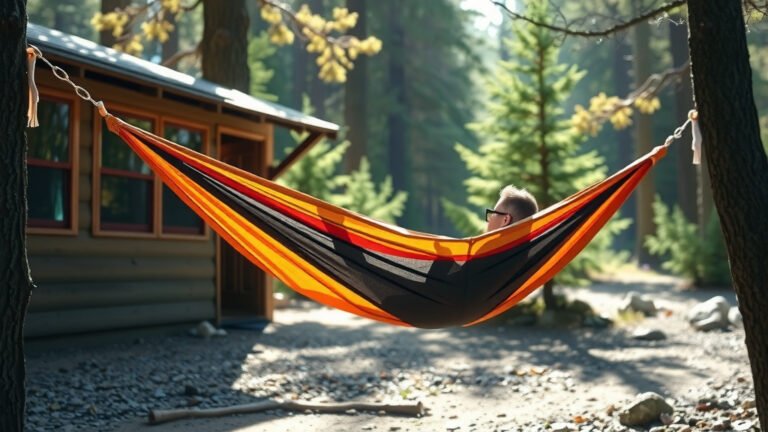
Choosing a hammock for sleeping involves considering its size, material, and your intended usage. You want a hammock that’s durable enough for regular use and comfortable for a full night’s rest. Think about whether you’ll use it for camping, backyard lounging, or just occasional naps.
The best hammocks for sleeping offer ample space to sprawl out. They should also be made from breathable, yet strong, fabrics like nylon or polyester. Many hammock designs are specifically built for overnight comfort, often including features like bug nets or rainflies.
- Look for hammocks made from durable, breathable materials.
- Consider the hammock’s weight capacity and size for comfort.
- Think about where you’ll be using it most (camping, backyard).
- Decide if you need extra features like bug nets or rain tarps.
- Read reviews to understand real-world comfort and durability.
We’ve researched and found the key factors that make a big difference. Let’s walk through exactly how to pick the perfect sleeping hammock for your needs.
Picking the Right Hammock for a Good Night’s Sleep
Choosing a hammock for sleeping is a bit different than picking one for a quick nap. You want something that supports your body for hours. We’ve researched what makes a hammock great for overnight rest. It boils down to comfort, durability, and features.
Understanding Hammock Types and Materials
Not all hammocks are created equal, especially when you plan to sleep in them. The material your hammock is made from plays a huge role in comfort and longevity. You’ll encounter a few common types.
Common Hammock Materials
Think about how the fabric feels and how it will hold up. Breathability is key for sleeping. You don’t want to wake up feeling sweaty and sticky.
Nylon and Polyester
Many sleeping hammocks are made from nylon or polyester. These fabrics are popular because they are strong, lightweight, and dry quickly. Ripstop nylon is a great choice because it has a grid pattern that prevents tears from spreading. This is great for camping where things can snag.
Cotton and Canvas
Hammocks made of cotton or canvas are wonderfully soft and comfortable. They feel very familiar, like a cozy bed. However, they can absorb moisture. This makes them less ideal for camping in damp conditions. They also tend to be heavier and take longer to dry than synthetic options.
Technical Fabrics
Some high-end hammocks use technical fabrics. These might offer advanced features like waterproofing or extreme durability. They can be more expensive. For most sleepers, ripstop nylon or a good polyester blend offers the best balance.
Size Matters for Sleeping Comfort
When you’re sleeping, you need more room than you do for a quick sit. Hammocks are often measured by length and width. You want enough space to lay flat or diagonal. This helps prevent that dreaded “banana” shape that can strain your back.
Hammock Dimensions and Your Body
We found that a standard hammock length is often around 9 to 10 feet. For sleeping, aiming for something closer to 10 feet or even longer is beneficial. Width is also important. A wider hammock, say 5 to 6 feet across, gives you more freedom to move and find a comfortable sleeping position.
Weight Capacity and Durability
Always check the hammock’s weight capacity. It’s not just about your weight. You need to account for sleeping gear like blankets or pillows. Reputable manufacturers test their hammocks rigorously. Many experts recommend choosing a hammock with a capacity well above your expected load for added safety.
| Material | Pros | Cons |
|---|---|---|
| Ripstop Nylon | Lightweight, strong, quick-drying, breathable | Can be slippery when wet, potential for static cling |
| Polyester | Durable, resistant to UV rays and mildew, good value | Less breathable than some nylons, can stretch over time |
| Cotton/Canvas | Soft, comfortable, natural feel | Absorbs moisture, heavy, slow to dry, prone to mildew |
Where Will You Be Sleeping? Usage Considerations
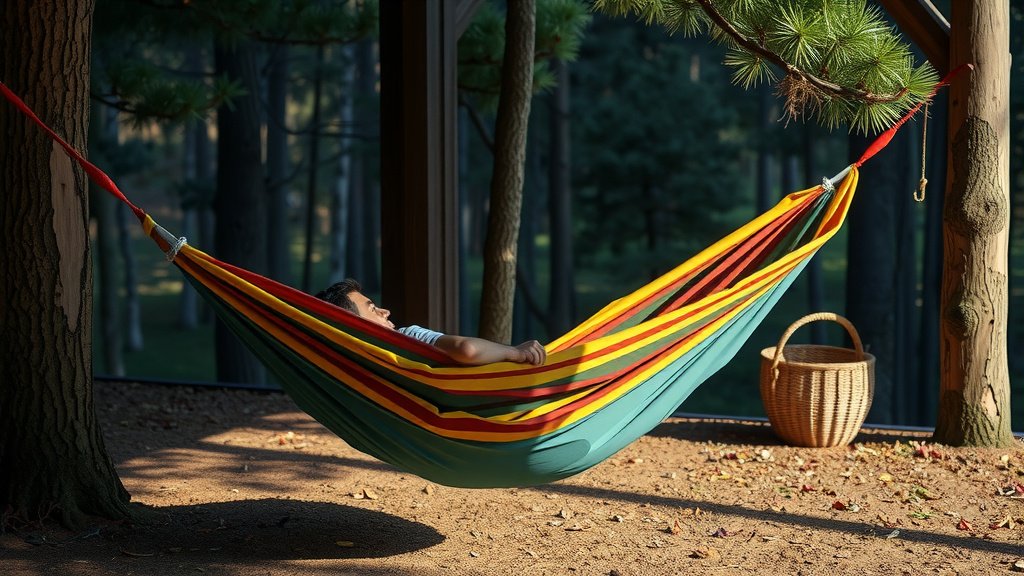
Your intended use is a major factor in choosing the right hammock. Sleeping in your backyard is different from sleeping in the wilderness.
Backyard and Casual Use
If your hammock will mostly live in your backyard or on a porch, you have more flexibility. Comfort might be your top priority. You might even consider a hammock with a stand if you don’t have trees. Cotton or a softer blend could be a great choice here. Durability is still important, but extreme weather resistance might be less critical.
Camping and Backpacking
For camping, you need a hammock that’s lightweight and packs down small. It needs to be durable enough to handle the elements. Quick-drying materials like nylon are usually preferred. You’ll also want to think about the full system: suspension, bug nets, and tarps.
The “System” Approach for Campers
Many experienced hammock campers consider their setup as a system. This includes the hammock itself, straps or suspension lines to hang it, and often accessories. A bug net protects you from insects, which is crucial for a peaceful sleep outdoors. A rain tarp or fly shields you from rain and dew. Some hammocks come as a complete package, while others allow you to buy these components separately. We found that investing in a good bug net and tarp greatly enhances the sleeping experience.
Essential Features for Overnight Comfort
Beyond the basic hammock body, certain features can make or break your sleeping experience. Think about what will make your setup more comfortable and practical.
Integrated Bug Nets
If you’re sleeping anywhere with bugs, an integrated bug net is a game-changer. It zips shut around the hammock, keeping mosquitoes and other pests at bay. This is a must-have for many campers (CDC notes insect-borne diseases are a concern). Look for fine mesh that’s breathable.
Weather Protection: Tarps and Rainflies
A tarp (or rainfly) is essential if you plan to sleep outside in less-than-perfect weather. It keeps you dry from rain and heavy dew. Tarps come in various shapes and sizes. Some are rectangular, while others are designed to perfectly cover your hammock. Consider the coverage area and how easy it is to set up.
Ease of Setup and Portability
How easy is it to hang your hammock? Some systems use simple straps that wrap around trees. Others might involve more complex knot-tying. For camping, a setup that is quick and intuitive saves time and frustration. The packed size and weight are also important if you’re hiking with your hammock.
Here’s a quick checklist to help you decide:
- Prioritize breathable, durable materials like ripstop nylon.
- Ensure the hammock is long and wide enough for you.
- Check the weight capacity for safety and gear.
- Consider if you need integrated bug nets or rain tarps.
- Think about where you’ll use it most often.
- Read user reviews for real-world feedback on comfort and durability.
Conclusion
You’re now equipped to choose the ideal hammock for sleeping. Remember that the best choice balances material, size, and how you’ll use it. Prioritizing breathable fabrics like ripstop nylon and ensuring ample space are key for comfort. If you’re camping, don’t forget essential accessories like bug nets and tarps. Take a moment to assess your primary needs, read a few reviews, and you’ll be well on your way to enjoying restful nights under the stars or in your backyard.
Frequently Asked Questions
What’s the difference between a sleeping hammock and a lounging hammock?
Sleeping hammocks are generally larger and made from more durable, breathable materials to support your body for extended periods. They are designed for flat or diagonal lying, promoting better sleep posture, unlike casual hammocks which might prioritize quick drying or portability for short rests.
Can I really sleep comfortably in a hammock all night?
Yes, with the right setup! The key is finding a hammock that’s long and wide enough for you to lie somewhat flat. Many people find they sleep better in a hammock than on a traditional mattress once they get used to it and have the proper suspension.
How do I prevent feeling like a banana when sleeping in a hammock?
To avoid the “banana” effect and back strain, choose a longer and wider hammock. Learning to lie diagonally or at a slight angle across the hammock is also very helpful. Proper suspension that allows the hammock to hang with a gentle curve, not pulled taut, contributes significantly to comfort.
Do I need a special hammock for cold weather camping?
For cold weather, you’ll want to supplement your hammock with insulation. This typically includes an underquilt, which hangs beneath your hammock to trap warm air, and a warmer sleeping bag. Your hammock material should still be breathable to avoid moisture buildup.
What’s the most important feature for hammock camping beginners?
For beginner hammock campers, an integrated bug net is often the most critical feature. It provides immediate protection from insects, which can easily ruin a night’s sleep. Ease of setup for the hammock and suspension system is also highly important to reduce frustration.