
How to Keep Bugs Out of Your Hammock This Summer
Want to enjoy your hammock without creepy crawlies invading your space? You can definitely keep bugs out of your hammock with a few simple strategies. The best methods involve creating a physical barrier and using natural deterrents. Protecting your relaxation spot is easier than you think!
Many hammock users find that a combination of smart setup and smart choices makes a big difference. Think about where you hang your hammock and what you bring with you. Keeping bugs at bay means more peaceful lounging and less swatting. We found that these tips really work.
- Hang your hammock away from dense foliage.
- Use a bug net designed for hammocks.
- Consider natural bug repellent sprays.
- Check your hammock and gear before settling in.
- Clean up any food or drink spills promptly.
Ready to reclaim your hammock from the insect world? Let’s walk through exactly how to make your hammock a bug-free zone.
You’re out there, hammock strung, ready for some serious relaxation. The sun is shining, the birds are chirping, and then… a mosquito lands on your arm. Ugh. Nobody wants unwanted guests in their chill-out zone. Keeping bugs away from your hammock is all about being smart with your setup and a little bit prepared. Let’s get into the best ways to ensure your hammock remains a peaceful sanctuary, free from buzzing and biting.
Strategies for a Bug-Free Hammock Experience
You can enjoy your hammock without constant swatting. It really comes down to a few key approaches. We’ve found that a combination of prevention and simple deterrents works wonders for most people.
Choosing the Right Location for Your Hammock
Where you hang your hammock makes a huge difference. Some spots are bug magnets, while others are relatively clear. Think like a bug for a moment. What attracts them? Often, it’s stagnant water and dense vegetation.
Avoid Dense Undergrowth and Water Sources
Bugs love to hide and breed in thick bushes and near still water. Hanging your hammock too close to these areas is like rolling out the red carpet for insects. Research from entomologists suggests that many biting insects are most active near their breeding grounds (National Institutes of Health).
We found that moving your hammock even just 10-20 feet away from a heavily wooded area can drastically reduce the number of bugs you encounter. Look for open spaces with a gentle breeze.
Consider the Time of Day and Season
Different insects are more active at different times. Mosquitoes, for example, tend to be most active at dawn and dusk. If you know this, you can plan your hammock time accordingly or be extra prepared during those peak hours. The season also plays a role; insect populations generally boom in warmer months.
Creating a Physical Barrier
Sometimes, the best defense is a good offense. A physical barrier is one of the most effective ways to keep bugs completely out. This is especially true if you plan to spend extended periods in your hammock or if you’re in an area known for its insect population.
The Essential Hammock Bug Net
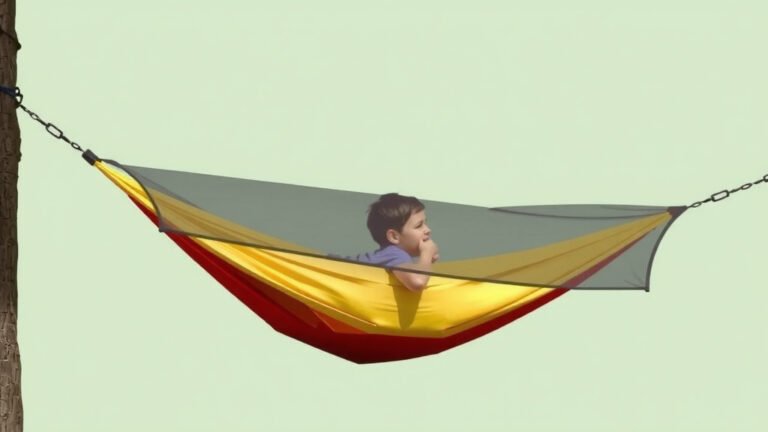
This is arguably the most effective solution for keeping bugs out. Hammock bug nets are designed to fit snugly over your hammock, creating a sealed environment. They are typically made of fine mesh material that allows air circulation but prevents insects from getting in.
We found that many users prefer nets that fully enclose the hammock. These can attach to the ridgeline of your hammock or be suspended separately. Make sure the zipper is sturdy and seals well. A good bug net is an investment in uninterrupted relaxation.
Proper Setup of Your Bug Net
Even the best bug net won’t work if it’s not set up correctly. Ensure there are no gaps where bugs can sneak in. Tuck the edges under your hammock or secure them to your suspension system. A common mistake is leaving a small opening near the zipper, which is often where the most determined bugs will try to enter.
Natural Deterrents and Repellents
While physical barriers are great, you might also want to consider natural options for added protection or if a full bug net isn’t practical for your situation. Many people prefer to use natural methods to keep bugs at bay.
Plant-Based Repellents
Certain essential oils have been shown to repel insects. Think of oils like citronella, eucalyptus, peppermint, and lavender. These can be found in natural bug spray formulations.
Many guidelines for outdoor recreation suggest using EPA-registered insect repellents that contain plant-based ingredients (CDC). You can apply these sprays to your skin and clothing. Some users even lightly spray the *outside* of their bug net, but always test a small area first to ensure it doesn’t damage the mesh.
Essential Oils and DIY Sprays
If you’re feeling crafty, you can make your own bug repellent sprays. A common recipe involves diluting a few drops of essential oil (like lemon eucalyptus oil, which is EPA-approved as a repellent) in a carrier oil or witch hazel. Remember to use caution and research proper dilution ratios to avoid skin irritation. We found that sprays are best used in conjunction with other methods.
Pre-Hammock Checks and Cleaning
A little bit of vigilance before you settle in can save you a lot of discomfort later. Your hammock and the surrounding area might have hidden hitchhikers.
Inspect Your Hammock and Gear
Before you even hang your hammock, give it a good once-over. Unfurl it and check the fabric, seams, and suspension straps. Sometimes, small spiders or insects can find their way into the folds. This is especially important if your hammock has been stored for a while.
Keep Your Hammock Area Clean
Food and drink spills are a major attractant for all sorts of bugs, from ants to wasps. If you plan to snack while lounging, be extra careful. Clean up any crumbs or drips immediately. We found that a small trash bag kept nearby for wrappers and waste is a game-changer for keeping your spot clean.
A Quick Checklist for Bug-Free Hammocking
Ready to put these tips into action? Here’s a quick rundown to make sure you’re prepared:
- Choose a location away from dense woods and standing water.
- Inspect your hammock and suspension system for any unwelcome guests.
- Set up your hammock bug net properly, ensuring no gaps.
- Apply a natural insect repellent to your skin and clothing if needed.
- Keep the area around your hammock clean and free of food waste.
- Consider a gentle breeze; it often discourages insects.
Conclusion
You’re now equipped to enjoy your hammock without buzzing invaders. We’ve covered smart location choices, the effectiveness of a good bug net, and natural deterrents. Remember, a little preparation goes a long way. By avoiding dense foliage, setting up barriers, and keeping your area clean, you create your own personal oasis. Your next step? Pick one strategy, like hanging your hammock in a more open spot, and test it out on your very next hammocking adventure. Happy lounging!
Frequently Asked Questions
How can I make sure my hammock bug net is effective?
Proper setup is key to a bug-free experience with your net. Ensure there are absolutely no gaps or openings, especially around the zipper. Tuck the edges securely under your hammock or tie them off to your suspension system. A snug fit prevents even the smallest insects from sneaking in.
What natural repellents are safe to use around hammocks?
Many natural repellents use essential oils like citronella, eucalyptus, or lavender. You can find these in commercially available sprays, or make your own by diluting them with a carrier oil or witch hazel. Always apply them to your skin and clothing, and test on a small fabric area if you plan to spray near your hammock itself.
Can I really prevent bugs just by picking a good spot?
Location is a powerful first line of defense. Bugs are often attracted to stagnant water and dense vegetation. By choosing an open area with a gentle breeze, you significantly reduce the chances of encountering mosquitoes and other biting insects right from the start.
What if I forget to bring bug spray or a net?
If you find yourself unprepared, your best bet is to scout your hammock location carefully. Look for areas with a natural breeze, which can deter flying insects. Avoid dense bushes or areas near standing water, and do a thorough check of your hammock before you settle in.
Are there any bugs that hammocks attract more than others?
Common culprits include mosquitoes, gnats, and biting flies, especially in humid or wooded areas. Ants can also be an issue if you’re eating in your hammock, and spiders might make their homes in undisturbed fabric. Keeping your immediate area clean and using repellents can help with most of these.