
How to Hang a Hammock on Your Balcony Safely
Yes, you can absolutely hang a hammock on your balcony! The key is using the right hardware and ensuring your balcony structure is strong enough. This lets you create your own cozy outdoor retreat, even in a small space. You’ll be relaxing in no time.
Hanging a hammock safely is important for your peace of mind. We’ve researched different methods and found that proper anchoring is absolutely essential. It’s about more than just tying knots; it’s about using tested solutions to support your weight comfortably. Many experts agree that secure mounting prevents accidents.
- Check your balcony’s weight limit first.
- Choose sturdy hammock hooks or straps.
- Ensure anchor points are secure and stable.
- Test the hammock gently before full use.
Ready to turn your balcony into a chill zone? Let’s walk through exactly how to hang your hammock step by step, so you can start enjoying that well-deserved downtime.
“`htmlSetting Up Your Balcony Hammock Safely
Ready to enjoy your balcony like never before? Hanging a hammock can add serious relaxation vibes. You just need to be smart about it. We’ve looked into the best ways to get your hammock secured. It’s all about making sure your new chill spot is totally safe and super sturdy.
Assessing Your Balcony’s Strength
Before you buy a hammock, or even those fancy hammock straps, let’s talk about your balcony. Is it ready for some serious lounging? Your balcony needs to be strong enough to handle the weight of the hammock and the people in it. Think about it: a hammock stretches and sways. That means more force than just static weight.
Understanding Weight Limits
Most balconies have a weight limit. This is often listed in your building’s rules or by the manufacturer if it’s a newer build. If you can’t find this info, it’s best to assume it’s not designed for heavy loads. Some experts suggest that residential balconies should support at least 40 pounds per square foot (National Association of Home Builders). This is a general guideline, though. Always check your specific structure.
When to Consult a Professional
If you’re unsure about your balcony’s capacity, it’s always wise to get an opinion from a professional. A structural engineer or a qualified contractor can assess its load-bearing capabilities. They can tell you for sure if it’s safe to hang a hammock. Better safe than sorry, right? Getting this checked out gives you peace of mind.
Choosing the Right Hammock Hanging Method
Once you’re confident your balcony can handle it, the next step is picking how you’ll hang your hammock. There are a few popular and safe options. We’ve researched the most reliable ones for balcony use.
Using Wall-Mounted Anchor Points
This is often the most secure method for balconies. It involves drilling into sturdy parts of your balcony’s wall or railing posts. You’ll need specialized hardware for this.
Heavy-Duty Hammock Hooks
Look for heavy-duty hammock hooks specifically designed for outdoor use and weight-bearing. These are usually made of strong metal like stainless steel. Ensure they are rated for at least 300-400 pounds, as stated by many hardware manufacturers. You’ll need two hooks, spaced appropriately for your hammock’s length. We found that marine-grade stainless steel offers excellent durability against weather.
Installation Steps for Hooks
First, decide on the placement. The distance between the hooks should be about 10-15 feet apart, depending on your hammock’s length. Measure this carefully. Mark your drill spots. Make sure you’re drilling into solid material, like a concrete wall or a strong wooden beam. Use a drill bit suitable for the material. Insert the hooks securely, following the manufacturer’s instructions. Some may require anchors for extra support.
Balcony Railing Straps (When Drilling Isn’t an Option)
If you can’t or don’t want to drill into your balcony, heavy-duty hammock straps are a great alternative. These are strong fabric loops that wrap around a sturdy railing or post.
Selecting Durable Hammock Straps
Choose straps made from high-tensile nylon or polyester. They should be wide enough (at least 1-2 inches) to distribute pressure without damaging the railing. Look for straps with a weight capacity well over your needs, often rated for 500 pounds or more. We found that straps with reinforced stitching offer the best longevity.
Proper Strap Placement and Tension
Wrap the straps securely around your chosen anchor points. These could be strong, vertical railing posts or a thick, solid part of your railing. Ensure the straps are snug and won’t slip. Adjust the height so your hammock hangs at a comfortable level. The key is that the anchor point must be absolutely stable. Never wrap around thin or hollow bars. Many hammock strap kits come with carabiners for easy attachment and adjustment.
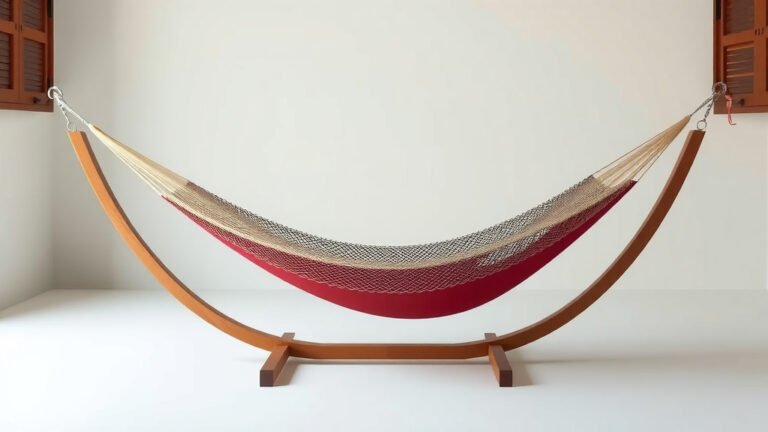
Freestanding Hammock Stands
For the ultimate in flexibility and zero installation, consider a freestanding hammock stand. These require no drilling or permanent fixtures at all.
Pros and Cons of Stands
The biggest advantage is ease of setup and portability. You can move them around your balcony or even take them indoors. However, they take up more floor space than hanging solutions. You’ll need to ensure the stand itself is stable and won’t tip over, especially in windy conditions. Some stands are specifically designed for smaller spaces like balconies.
Ensuring Stand Stability
When choosing a stand, look for a wide base and sturdy construction. Materials like steel or heavy-duty aluminum are good choices. Always place the stand on a level surface. If your balcony has a slight slope, you might need to use wedges to stabilize it. Check the stand’s weight capacity before purchasing.

Testing Your Hammock Setup
You’ve installed your hardware or set up your stand. Now comes the most important part: testing! This ensures everything is secure before you fully relax.
Gentle Initial Load Test
Before you climb in, give the hammock a gentle test. Slowly apply your weight. You can do this by sitting on the edge of the hammock and then gently lowering yourself in. Listen for any creaking or strain. Watch the anchor points closely.
Gradual Weight Increase
Once the initial test is good, slowly increase the weight. Have a family member or friend sit in it with you, if your weight limit allows. If the hammock feels stable and secure, and you don’t see any signs of slippage or damage, you’re likely good to go. We found that testing with progressively more weight, up to your expected usage, is a reliable way to confirm stability.
Here’s a quick checklist to make sure you’ve got it right:
- Confirmed balcony weight limit or consulted a pro.
- Selected hardware/straps with a high weight rating.
- Installed anchors into solid structural elements.
- Checked that railing straps are on stable posts.
- Tested the hammock’s stability with gentle weight.
Conclusion
You’ve learned how to safely transform your balcony into a relaxing haven with a hammock! Remember, the key is assessing your balcony’s strength and choosing the right hanging method, whether it’s secure hooks, durable straps, or a stable stand. Taking the time to properly install and test your setup ensures years of peaceful lounging. Now you’re ready to kick back, unwind, and enjoy your personalized balcony oasis. Your relaxing retreat awaits!
Frequently Asked Questions
How far apart should hammock anchors be on a balcony?
The ideal distance between anchors typically ranges from 10 to 15 feet, depending on your hammock’s length. Measure your hammock to find the perfect span. This spacing allows for the gentle curve needed for comfortable lounging without putting too much strain on the anchors.
Can I hang a hammock from a balcony railing?
You can hang a hammock from a balcony railing if the railing is extremely sturdy and designed to bear significant weight. Heavy-duty straps wrapped around robust vertical posts are the safest option for railings. Avoid thin or hollow railing sections, as they may not support the load.
What if my balcony has weight restrictions I’m unsure about?
If you’re uncertain about your balcony’s weight capacity, it’s best to err on the side of caution. Consult a qualified structural engineer or contractor to assess its load-bearing capabilities. They can provide expert advice to ensure your safety before you hang anything.
How do I know if my balcony wall is strong enough for hooks?
Your balcony wall must be made of solid material like concrete or sturdy wood to securely hold hammock hooks. Avoid drilling into thin panels or hollow structures. Always check for structural integrity and consider using appropriate anchors recommended by hardware manufacturers for maximum support.
Are freestanding hammock stands a good option for small balconies?
Freestanding hammock stands can be a great option for small balconies, especially if drilling isn’t possible. They require no installation and can be moved easily. Just ensure the stand has a wide, stable base to prevent tipping and choose a model designed for compact spaces.