What Is a 3 Season Underquilt for Camping
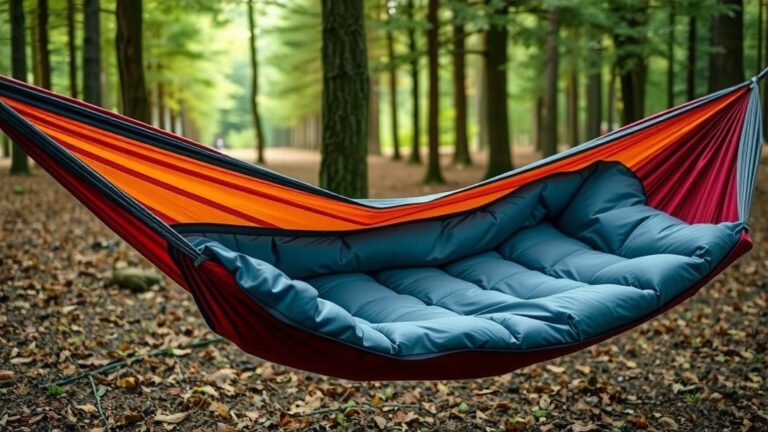
A 3-season underquilt is a hangable insulation layer designed to keep you warm inside your hammock. It works by trapping your body heat and preventing cold air from reaching you from below. This is essential for comfortable camping in spring, summer, and fall, where temperatures can drop unexpectedly.
Think of it as the bottom half of your sleeping bag, but for your hammock. Unlike a sleeping bag, an underquilt doesn’t compress under your weight, so it maintains its loft and insulating power. Many campers find it a game-changer for hammock comfort across many conditions.
- Keeps you warm in your hammock.
- Insulates from below, trapping body heat.
- Works best in 3-season weather (spring, summer, fall).
- Unlike sleeping bags, it doesn’t lose insulation from compression.
- Essential for comfortable hammock camping.
We’ve found that understanding the basics of a 3-season underquilt can make a big difference in your camping comfort. Let’s dive into what makes them so effective and how you can choose the right one for your adventures.
Understanding the 3-Season Underquilt for Your Hammock
So, you’ve embraced the hammock life for camping. That’s fantastic! Now, let’s talk about staying truly cozy when the sun goes down. A 3-season underquilt is your best friend for three out of four seasons. It’s a specialized piece of gear designed specifically to keep you warm from below. Many hammock campers find it makes all the difference between a good night’s sleep and a shivery one.
Think of your hammock like a comfy bed. But when you lie in it, your body weight compresses any insulation you put inside. This is a huge problem if you’re trying to use a sleeping bag like a burrito in your hammock. The parts you’re lying on get squashed. This squashed insulation can’t trap air effectively. That means cold air finds its way right to you. An underquilt solves this entirely. An underquilt solves this entirely by providing insulation that isn’t compressed.
How Does an Underquilt Actually Work?
The magic of an underquilt lies in its design. It hangs *underneath* your hammock, not inside it. This is the key difference. Because it’s not compressed by your weight, the insulation inside stays lofty. This loft is what traps warm air. It creates a barrier between your body and the colder air outside your hammock.
It works on the same principles as your sleeping bag’s insulation. But it’s positioned where it does the most good for hammock campers. Researchers have shown that a significant amount of heat loss in cooler weather can occur from below (National Park Service). An underquilt directly combats this by creating a personal microclimate.
The Science of Loft and Warmth
Loft refers to the thickness and fluffiness of the insulating material. More loft means more air pockets. These air pockets are the real heroes of insulation. They slow down the transfer of heat. Down and synthetic fills are common choices. Down is incredibly lightweight and compressible. Synthetics often perform better when damp, which can happen even in mild weather.
When you’re in your hammock, your body heat warms the air. This warm air rises. Without an underquilt, this warm air escapes easily through the bottom of the hammock. It also encounters cold air that’s seeping in from below. An underquilt traps that rising warm air. It bounces it back towards you. It’s like building a cozy cocoon.
Why Not Just Use a Sleeping Bag?
We touched on this, but it’s worth reinforcing. Imagine wrapping yourself in a thick blanket and then sitting on it. The blanket gets squished flat right where you’re sitting. The same happens with a sleeping bag in a hammock. The insulation gets compressed. Its ability to keep you warm is severely reduced.
Some people try to adapt sleeping bags. They might unroll them and use them as a blanket. But even then, your body weight can still press down. It’s rarely as effective as a dedicated underquilt. Plus, underquilts are designed to fit the curve of a hammock. This helps eliminate drafts. They are purpose-built for this kind of camping.
What “3-Season” Really Means for Underquilts
The term “3-season” is your cue. It means this underquilt is designed for a specific temperature range. Generally, this covers spring, summer, and fall camping in many parts of the country. You can expect it to keep you comfortable when temperatures are between, say, 20°F and 50°F (-7°C to 10°C).
Of course, actual temperatures vary wildly. Factors like wind, humidity, and your personal metabolism play a big role. What feels warm to one person might be cool to another. A 3-season underquilt is a solid baseline. It’s for those shoulder seasons when nights can still get chilly. It’s not typically designed for deep winter conditions.
Temperature Ratings: What to Look For
Manufacturers usually provide a temperature rating for their underquilts. This is a helpful guideline. It’s a good starting point for choosing the right one. Remember, these ratings are often based on optimal conditions. They assume you’re using it with a properly insulated sleeping pad or bag liner inside the hammock. We found that most campers tend to run a bit cooler than the stated rating.
Consider buying an underquilt with a rating slightly lower than your expected lowest temperature. This gives you a buffer. If you often camp in areas that get surprisingly cold, you might want to look at a 20°F rated underquilt for fall trips, even if average lows are higher. It’s better to have a little extra warmth and vent it than to shiver.
Key Features of a Good 3-Season Underquilt
When you’re shopping, a few things stand out. First is the insulation type. As mentioned, down and synthetics are common. Down offers excellent warmth-to-weight. Synthetics are often more budget-friendly and handle moisture better. Your personal preference and typical camping environment will guide this choice.
Next, look at the coverage. Some underquilts only cover the bottom of the hammock. Others extend further up the sides. Full coverage underquilts offer superior draft protection. They are generally a better choice for most campers. You want to seal off any potential cold air entry points.
Suspension System: How it Attaches
The way an underquilt attaches to your hammock is crucial. Most use a system of shock cords or ropes. These attach to the ends of the underquilt and loop around your hammock suspension. A good suspension system makes it easy to adjust the underquilt. It should also allow for a snug fit. This snug fit minimizes drafts.
You want a system that’s intuitive and quick to set up. Nobody wants to spend 15 minutes wrestling with cords in the dark. We found that underquilts with adjustable shock cords are particularly user-friendly. They allow you to fine-tune the fit for different hammocks or temperatures.
Weight and Packability
For backpackers, weight and how small the underquilt packs down are vital. Down-filled underquilts are generally lighter and pack smaller than synthetic ones. This is a big advantage if you’re carrying everything on your back. Even for car camping, a smaller packed size makes storage easier.
Check the packed dimensions and weight before you buy. This will help you decide if it fits your gear strategy. We’ve seen some incredibly lightweight options emerge in recent years. They make hammock camping more accessible for longer trips.
A Quick Checklist for Your Underquilt Hunt
Ready to find your perfect underquilt? Keep these points in mind:
- Temperature Rating: Choose one that suits your typical lowest temperatures.
- Insulation Type: Down for weight and warmth, synthetic for moisture resistance.
- Coverage: Aim for full coverage to block drafts effectively.
- Suspension System: Look for easy adjustment and a secure fit.
- Weight and Pack Size: Consider your overall gear needs.
- Build Quality: Check stitching and materials for durability.
Comparing Underquilt Types and Fills
Let’s break down the common choices you’ll encounter. This comparison should help you decide which route is best for your needs.
| Feature | Down Fill | Synthetic Fill |
|---|---|---|
| Warmth-to-Weight Ratio | Excellent | Good |
| Performance When Wet | Poor (unless treated) | Good |
| Compressibility (Pack Size) | Excellent | Fair |
| Cost | Higher | Lower |
| Durability | Excellent | Good |
As you can see, down offers superior performance in ideal conditions. However, if you anticipate damp weather, a synthetic fill might be a more forgiving choice. Many modern synthetic fills are quite advanced. They offer good loft and warmth even when slightly damp.
Consider Your Hammock Type Too
Your hammock’s size and shape can influence underquilt choice. Longer hammocks often require longer underquilts for full coverage. Some underquilts are designed to work best with specific hammock lengths or widths. Always check the manufacturer’s recommendations.
We found that a well-fitting underquilt makes a noticeable difference in comfort. It eliminates those annoying gaps where cold air can sneak in. Pay attention to how the underquilt drapes and conforms to your hammock.
Conclusion
You’ve learned that a 3-season underquilt is your key to comfortable hammock camping from spring through fall. It’s your essential layer for warmth, working by trapping body heat without getting compressed. Unlike a sleeping bag inside your hammock, an underquilt stays lofty and effective. Choosing the right one involves looking at temperature ratings, insulation type, and how it attaches. We encourage you to consider these factors carefully.
Your next step is to assess your typical camping temperatures and conditions. Armed with this knowledge, you can confidently select an underquilt that will transform your hammock camping experience. Get ready for cozier nights under the stars!
Frequently Asked Questions
How do I know if a 3-season underquilt is warm enough for me?
Check the temperature rating provided by the manufacturer. We found that most people run a little cooler, so consider a rating 5-10 degrees Fahrenheit lower than your expected coldest night. Your personal comfort level also plays a big role, so think about your own body heat.
Can I use a 3-season underquilt in the winter?
Generally, no. A 3-season underquilt is typically rated for temperatures down to about 20°F (-7°C). For true winter camping with sub-freezing temperatures, you’ll need a specialized winter underquilt. These are designed with more insulation to handle harsher conditions.
What’s the difference between down and synthetic underquilts?
Down is lighter and packs smaller for its warmth, but it loses insulating power when wet. Synthetic fill is more affordable and performs better in damp conditions, though it’s usually heavier and bulkier. We’ve seen that many campers prefer down for backpacking and synthetics for humid climates.
How tight should my underquilt be against my hammock?
You want a snug fit to block drafts, but not so tight that it compresses the insulation. The goal is to create a sealed pocket of warm air. A good suspension system allows you to adjust this fit easily. We found that a few inches of gap between the underquilt edge and the hammock is often ideal.
Do I need an underquilt if I use a sleeping pad in my hammock?
Yes, you absolutely should. Even with a sleeping pad, your body weight compresses its insulation where you lie. An underquilt insulates the entire bottom of the hammock, complementing your pad for full warmth. It’s the best way to prevent heat loss from below.