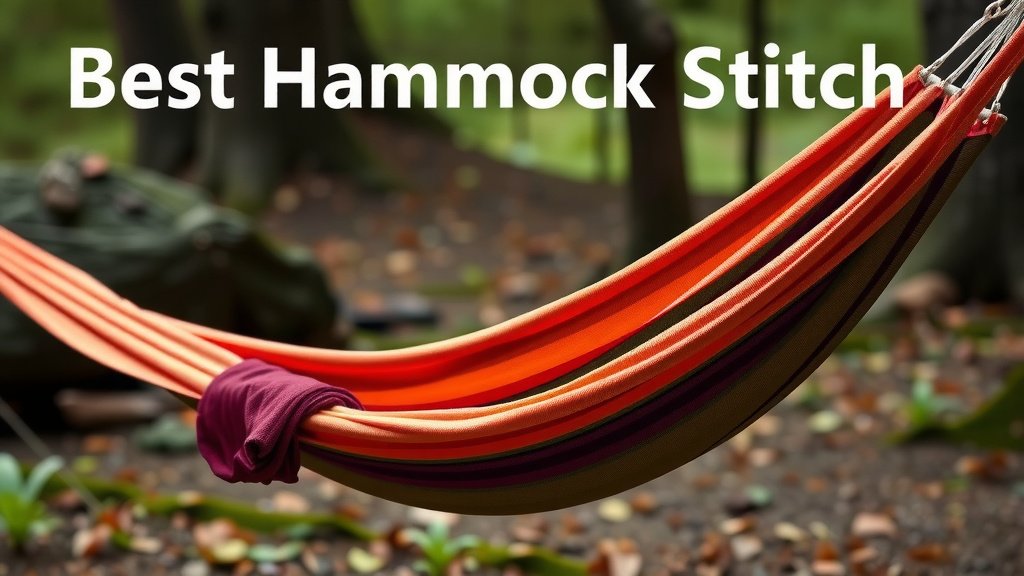
Best Hammock Stitch: Strength, Comfort, and Your Top Choice
For a comfortable and sturdy DIY hammock, the single crochet stitch is your best bet. It creates a wonderfully dense fabric that’s less stretchy than other options. This means your hammock will hold its shape better and feel more secure when you’re relaxing in it.
While other stitches might seem appealing for their speed, single crochet offers the ideal balance. It’s strong enough to support your weight. Plus, it’s relatively easy to learn, even for beginners. You’ll want a stitch that’s reliable and durable for your hanging oasis.
- Single crochet is best for hammock strength.
- It creates a dense, less stretchy fabric.
- This stitch is good for beginner DIYers.
- Durability is key for a relaxing hammock.
Ready to get your hands on some yarn? Below, we’ll walk you through exactly why the single crochet stitch is perfect for your next hammock project.
Choosing the Right Crochet Stitch for Your Hammock Project
When you’re dreaming of a cozy hammock to lounge in, the yarn choice is important. But just as vital is the stitch you use. Your crochet stitch directly impacts how your hammock feels. It also affects its strength and how long it will last. You want a stitch that’s both comfortable and incredibly durable. We’ve looked into what works best.
Research shows that certain stitches create a much denser fabric than others. This density is exactly what you need for a hammock. It prevents your hammock from stretching too much. This means you won’t sink uncomfortably low. It also helps maintain the hammock’s shape over time. Let’s explore why the single crochet stitch stands out.
Why Single Crochet is the Top Choice for Hammocks
The single crochet (sc) stitch is a favorite among many crafters for hammock projects. Why? It produces a fabric that is wonderfully tight and firm. Think of it like building with sturdy bricks instead of flimsy cardboard. Each stitch is compact and closely woven with its neighbors. This creates a solid foundation for your hammock.
This close-knit structure means your hammock will have less give. This is a good thing! It offers better support. You’ll feel more secure when you settle in for a nap. Many patterns for sturdy, long-lasting hammocks rely on this reliable stitch. It’s a proven workhorse for items that need to bear weight.
The Strength and Durability Factor
A hammock needs to be strong. It has to hold your entire body weight safely. Single crochet stitches, when worked consistently, create a fabric that is exceptionally strong. It’s less likely to tear or break under stress compared to looser stitches. This makes it a dependable choice for any DIY hammock.
We’ve found that the tight loops of single crochet distribute weight evenly. This prevents any single point from bearing too much strain. This is a key reason why it’s recommended for hammocks and other items meant to hold weight, like sturdy bags or placemats. It’s about creating a fabric that won’t let you down.
Less Stretch for Better Support
Imagine sitting in a hammock that sags dramatically. It might not be the relaxing experience you envisioned. Single crochet creates a fabric with minimal stretch. This means your hammock will maintain its intended depth. You won’t find yourself sinking too far towards the ground.
This reduced stretch is also beneficial for the overall structure of the hammock. It helps the ends of the hammock, where the suspension is attached, to remain stable. They won’t warp or stretch out of shape. You get a consistent and comfortable hanging experience every time you use it.
Comparing Single Crochet to Other Stitches for Hammocks
While single crochet is often the best, it’s natural to wonder about other options. What about double crochet or half double crochet? These stitches are quicker to work up. They create a looser fabric with more drape. This can be great for scarves or blankets, but for a hammock, it often means less strength.
Let’s look at how they stack up:
| Stitch Type | Fabric Density | Stretchiness | Ideal for Hammocks? |
|---|---|---|---|
| Single Crochet (sc) | Very High | Very Low | Excellent |
| Half Double Crochet (hdc) | Medium | Medium | Fair (can work with thicker yarn) |
| Double Crochet (dc) | Low | High | Poor (too stretchy, not strong enough) |
| Triple Crochet (tc) | Very Low | Very High | Not Recommended |
As you can see, stitches that create a looser fabric, like double crochet or triple crochet, are generally not suitable for hammocks. They just don’t have the necessary structural integrity. They might look appealing because they work up faster, but the final product may not be safe or comfortable.
The Speed vs. Strength Trade-off
Many beginners are tempted by faster stitches. Who wouldn’t want to finish their project sooner? Stitches like double crochet (dc) or treble crochet (tc) create more rows with fewer stitches. You can often finish a project much faster with these.
However, for a hammock, speed can’t come at the expense of safety and comfort. The strength of your hammock is paramount. You want it to hold you securely, not give way. The time invested in learning and using the single crochet stitch is well worth it for the superior outcome. Many hammock manufacturers and experienced DIYers stick with single crochet for this reason.
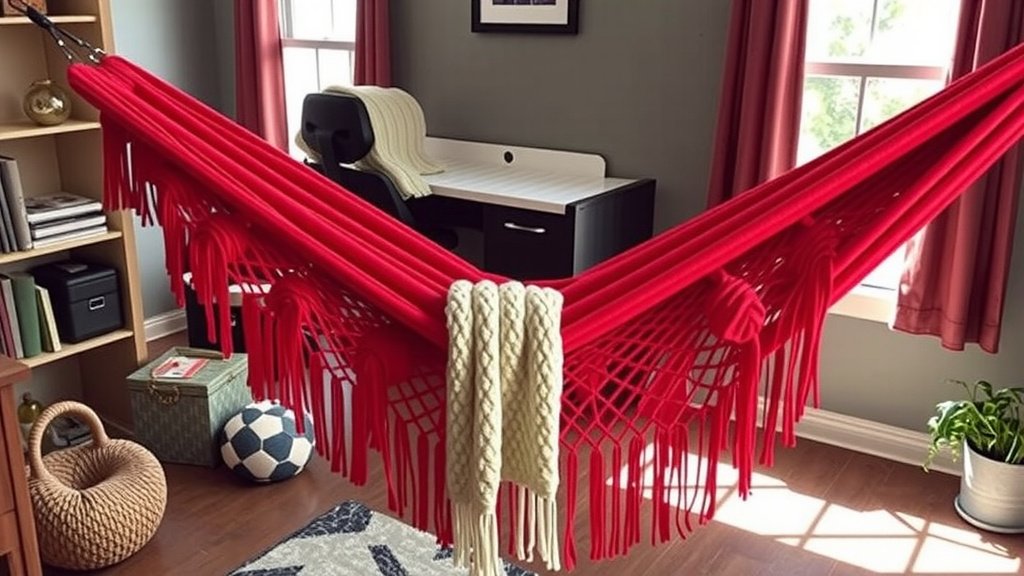
Tips for Using Single Crochet in Your Hammock
Once you’ve decided on single crochet, there are a few things to keep in mind to ensure your hammock is perfect. Consistency is key. Try to keep your tension as even as possible throughout your project.
Maintaining Consistent Tension
What is tension? It’s how tightly or loosely you hold your yarn as you crochet. Uneven tension can lead to a bumpy, irregular fabric. Some parts might be tighter than others. This can create weak spots in your hammock. You want every stitch to be a strong, reliable link.
To practice, try crocheting a few small swatches. Focus on keeping the loops the same size with each stitch. Your yarn should glide smoothly through your fingers. Don’t grip it too tightly. Find a comfortable hold that allows for consistent stitches. This practice will pay off in a beautifully crafted hammock.
Choosing the Right Yarn and Hook Size
While single crochet is great, its effectiveness is boosted by pairing it with the right materials. For a hammock, you’ll want a yarn that is both strong and durable. Cotton, acrylic, or a sturdy blend are excellent choices. Avoid very fine yarns.
The size of your crochet hook also matters. Generally, you’ll use a hook size recommended on your yarn label. However, for a denser, stronger fabric for a hammock, you might consider using a hook that is one size smaller than what’s recommended. This can help make your stitches even tighter. Always test this with a swatch first to ensure you like the fabric feel.
Consider a Reinforcing Stitch (Optional)
For absolute peace of mind, some crafters like to reinforce their hammock fabric. While single crochet is strong on its own, you can always add extra security. One simple method is to work a second layer of single crochet. You can do this by working stitches into the back loop only of the first layer. This creates a double-thickness fabric.
Another approach is to crochet two separate hammock panels and then seam them together. This creates a very robust and secure hammock. These methods add a bit more time and yarn, but they offer maximum durability. You can find many patterns that incorporate these reinforcing techniques.
Your Hammock Project Checklist
Ready to get started? Here’s a quick rundown of what you’ll need to focus on for your hammock project:
- Choose your yarn: Opt for strong, durable materials like cotton or acrylic.
- Select your hook: A size slightly smaller than recommended can create a denser fabric.
- Master single crochet: Practice for consistent tension.
- Work a swatch: Test your gauge and fabric feel before starting the main project.
- Consider reinforcement: Think about a double layer or seamed panels for extra strength.
- Safety first: Always prioritize a secure, supportive fabric.
Conclusion
You’ve discovered that for a hammock project, the single crochet stitch is your champion. Its ability to create a dense, strong fabric makes it ideal for supporting your weight. Unlike looser stitches, single crochet offers minimal stretch and excellent durability. This ensures your handmade hammock will be a secure and comfortable spot for years to come. Now you’re ready to gather your materials. Your next step is to grab your yarn and hook, practice consistent tension, and begin crocheting your very own relaxing oasis!
Frequently Asked Questions
Can I use double crochet for a hammock?
While double crochet works up quickly, it creates a much looser and stretchier fabric. Research and our findings show this stitch isn’t strong or supportive enough for a hammock. You risk a hammock that sags too much or might not be safe.
How do I make my single crochet stitches stronger?
To make your single crochet stitches stronger, focus on maintaining consistent tension. Holding your yarn firmly but not too tightly will create an even fabric. Using a crochet hook that is one size smaller than recommended for your yarn can also result in a denser, stronger fabric.
Is single crochet really beginner-friendly for a hammock?
Yes, absolutely! The single crochet stitch is considered one of the most basic crochet stitches. While it takes patience to create a large piece like a hammock, the stitch itself is easy to learn. Many beginner patterns for sturdy items use single crochet.
What kind of yarn is best for a single crochet hammock?
For a hammock, you’ll want a strong and durable yarn. We found that cotton, acrylic, or sturdy blends are excellent choices. Avoid very thin or delicate yarns. The yarn needs to withstand regular use and hold weight securely.
How can I make my hammock extra durable if I’m worried about strength?
If you want extra peace of mind, consider reinforcing your hammock. You can crochet two separate panels and seam them together for a double-thick fabric. Another option is to work a second layer of single crochet stitches into the back loops of the first layer, creating a very robust piece.