Hammock Weather Shield: What It Is & How It Works
A hammock weather shield is essentially a protective cover for your hammock. Its main job is to keep your hammock dry and clean when it’s not in use. Think of it as a raincoat for your hammock, shielding it from rain, dew, and even harsh sunlight that can fade fabrics.
Keeping your hammock protected extends its lifespan considerably. Without a shield, constant exposure to the elements can lead to mildew, rot, and weakened materials. A good shield ensures your hammock is always ready for you when you want to relax, saving you from unexpected dampness or dirt. We found that using a shield can drastically reduce the need for frequent cleaning and repairs.
- A hammock weather shield protects from rain and sun.
- It helps keep your hammock clean and dry.
- Using a shield extends the life of your hammock.
- It reduces the need for frequent cleaning.
- Many are easy to put on and take off.
Ready to learn more about how these shields work and find the best one for your setup? Let’s break down everything you need to know about hammock weather shields.
What a Hammock Cover Actually Does
So, you’re wondering about these hammock weather shields. Think of it as giving your hammock its own personal bodyguard. Its main mission is to protect your hammock from the elements when you’re not actively lounging in it. This means keeping it safe from things like rain, morning dew, and even the sun’s harsh UV rays. A good cover acts like a shield, especially during off-seasons or when you can’t store your hammock indoors.
Keeping Your Hammock Looking and Feeling Great
When your hammock is exposed to the outdoors without protection, it can really take a beating. Rain can soak into the fabric, leading to mildew and that musty smell nobody wants. Prolonged sun exposure can cause colors to fade and the material itself to weaken. We found that using a hammock weather shield is a simple way to prevent this damage. It helps maintain the look and feel of your hammock, so it’s always inviting for a lazy afternoon.
Extending the Lifespan of Your Hammock
Investing in a hammock is nice, and you want it to last. Leaving it out in the elements is like leaving your car out in a hailstorm every day. Over time, the materials break down. A weather shield acts as a barrier, significantly extending how long your hammock remains in good condition. This means fewer repairs and replacements down the line. We found that shelters can drastically reduce the need for frequent cleaning and repairs.
Different Types of Hammock Weather Protection
Not all hammock protectors are created equal. You’ll find a few main styles designed to keep your hammock safe. Each has its own way of working and might be better suited for different situations. It’s good to know what’s out there so you can pick the best option for your needs.
Simple Hammock Tarps
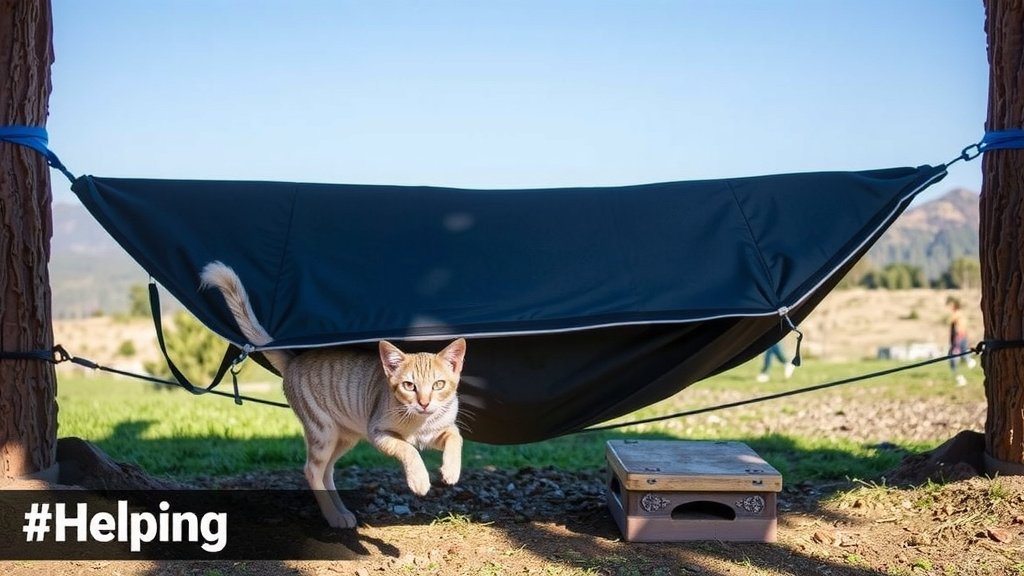
These are often the most basic form of protection. A tarp is essentially a large sheet of waterproof material. You can rig it up over your hammock using ropes or bungee cords. They offer good coverage from rain and sun. Think of it like putting up an umbrella for your hammock. They are usually lightweight and easy to store when not in use. Many people use them in camping setups too.
Custom-Fit Hammock Covers
These are more like a tailored suit for your hammock. They are designed to fit specific hammock models or sizes snugly. They often have drawstrings or elastic edges to ensure a tight fit. This prevents wind from getting underneath and lifting the cover. Custom covers provide a more complete and secure protection. They often look neater too, blending in better with your outdoor space.
Hammock Domes or Tents
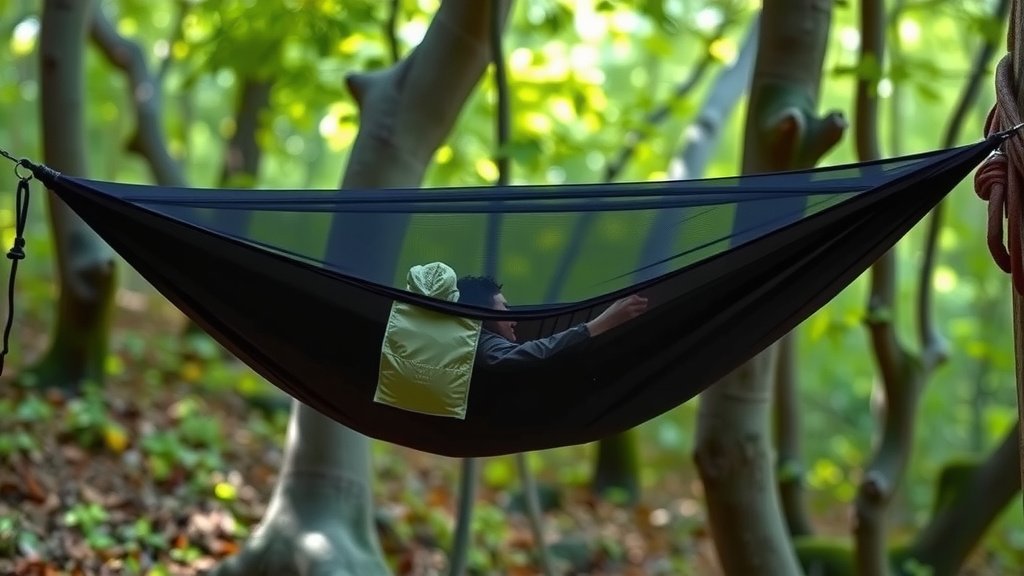
For a more robust solution, consider a hammock dome or tent. These are structures that your hammock hangs inside. They offer more enclosed protection and can even keep bugs out. Some have zippered entries for easy access. These are great if you want to leave your hammock set up for extended periods and need maximum defense against the weather and insects. They offer a full enclosure experience.
What to Look for in a Hammock Weather Shield
When you’re ready to buy a weather shield, there are a few key things to keep in mind. You want something that will actually do the job and be easy for you to use. Making the right choice now will save you headaches later on.
Material Matters: Durability and Water Resistance
The material is super important. Look for fabrics that are designed to be waterproof or highly water-resistant. Ripstop nylon or polyester with a polyurethane coating are common choices. These materials can withstand rain and prevent water from seeping through. Also, consider how durable the material is. You want something that won’t tear easily from wind or repeated use. Many guidelines point to UV-resistant fabrics as a good first step for longevity (Outdoor Industry Association).
Size and Fit: No Sagging Allowed
Make sure the shield is the right size for your hammock. If it’s too small, it won’t cover everything. If it’s too big, it might sag in the middle, collecting water. A saggy shield is like a bucket waiting to overflow. You want a snug, proper fit that covers the entire hammock, including the ends. Measure your hammock before you buy a cover to ensure compatibility.
Ease of Use: Quick Setup and Takedown
You don’t want a complicated system. The best hammock weather shields are easy to put on and take off. Look for features like simple tie-downs, elastic straps, or sturdy clips. If it takes you ten minutes and a degree in engineering to cover your hammock, you might not use it as often. We found that user-friendly designs are often preferred by busy hammock enthusiasts.
Portability and Storage
If you plan to travel with your hammock or store the shield away during good weather, portability is key. Many shields come with a small stuff sack, making them easy to pack up. They should fold down small enough to fit into a backpack or a storage bin without taking up too much space. This makes it convenient for on-the-go protection.
Keeping Your Hammock Protected: A Quick Checklist
Ready to ensure your hammock stays in top shape? Here’s a quick rundown of what to focus on:
- Measure your hammock first to get the right shield size.
- Check that the material is waterproof and UV resistant.
- Look for easy attachment methods like drawstrings or clips.
- Consider how portable and easy to store the shield is.
- Read reviews to see how well it holds up in real weather.
- Think about whether you need full coverage or just rain protection.
When to Use Your Hammock Weather Shield
The most obvious time to use your shield is when rain is in the forecast. But there are other situations where it really shines. Even when it’s not raining, your hammock can still benefit from protection. Leaving it out might seem fine, but the sun and humidity can still cause wear and tear over time. We found that using a shield can drastically reduce the need for frequent cleaning and repairs.
Daily Protection
If your hammock is set up permanently outdoors, think about using a shield daily. Morning dew can make your hammock damp and less pleasant to use. Also, the sun, even on cooler days, can cause fading and material degradation. A daily cover ensures your hammock is always ready and in great condition whenever you want to relax.
Seasonal Storage
During seasons when you use your hammock less, like fall and winter, a weather shield is essential. Instead of taking it down and storing it in a shed or garage, which might be damp or crowded, a good cover can protect it right where it is. This is especially helpful if you have limited storage space. It’s a practical way to safeguard your investment during the off-season.
Travel and Camping
If you take your hammock on camping trips or to the beach, a weather shield is a must. It protects your hammock during transport and while it’s set up at your campsite or a remote location. Many lightweight and compact shields are perfect for travelers. They ensure your hammock remains clean and dry, no matter where your adventures take you. This keeps your hammock ready for relaxation after a long day.
Conclusion
You’ve learned that a hammock weather shield is your hammock’s best friend for outdoor living. It’s your key to keeping your hammock dry, clean, and protected from the sun’s fading rays. By preventing mildew and material breakdown, it dramatically extends your hammock’s lifespan. Whether you choose a simple tarp or a custom-fit cover, making a choice now means more relaxing days ahead. So, measure your hammock, check the materials, and pick the shield that fits your lifestyle. Your future self will thank you for the extended comfort and durability!
Frequently Asked Questions
How often should I use a hammock weather shield?
You can use your hammock weather shield daily if your hammock is set up outdoors. This provides constant protection against morning dew and sun. It’s especially important during seasons when you might not use the hammock as frequently, like fall and winter, for off-season storage.
Can a hammock weather shield protect against insects?
Most basic weather shields, like tarps or simple covers, primarily protect against rain and sun. However, some specialized hammock tents or domes offer enclosed protection that can also keep insects out. Always check the product description for insect-repelling features.
Will a weather shield keep my hammock completely dry in heavy rain?
A good quality, waterproof weather shield will keep your hammock dry in most rain conditions. Ensuring a snug fit and proper coverage is key. If the shield sags or doesn’t cover the entire hammock, water could potentially seep in. Always check the material’s water resistance rating.
Are hammock weather shields difficult to put on and take off?
Many hammock weather shields are designed for ease of use. Look for features like simple tie-downs, elastic edges, or quick-clip attachments. These designs make setup and takedown fast, so you’re more likely to use the shield consistently.
Can I use any tarp as a hammock weather shield?
While a basic tarp can offer some protection, it’s not always ideal. Hammock-specific weather shields are designed to fit your hammock better and stay secure. They often use more durable, waterproof, and UV-resistant materials compared to a generic tarp.