What Is a Single Layer Hammock? Your Guide
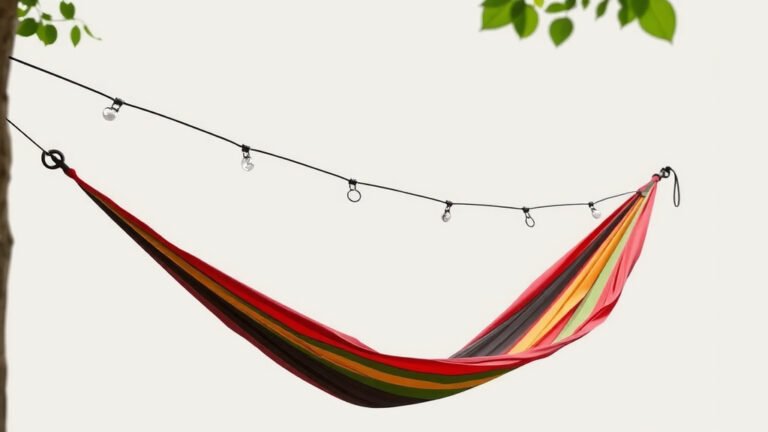
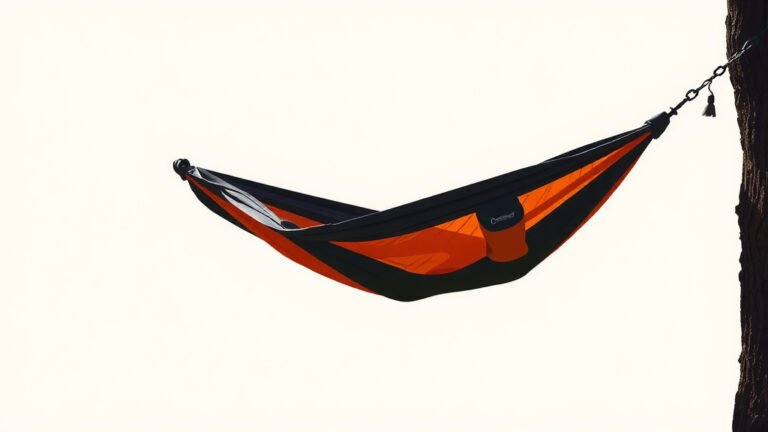
A single layer hammock is essentially a hammock made from a single piece of fabric. Unlike double layer hammocks, it doesn’t have a separate bottom layer where you can insert padding or other items. These hammocks are known for being lightweight and packable, making them a favorite for backpackers and campers.
When you’re choosing a hammock, understanding the difference between single and double layers is key. A single layer is often preferred for its simplicity and portability. It’s a straightforward design that gets the job done efficiently. You might be wondering if this simplicity means a compromise on comfort or durability, and we’ll get to that!
- What it is: A hammock with just one fabric layer.
- Key benefit: Very lightweight and compact for travel.
- Good for: Backpacking, camping, and quick setups.
- Not ideal for: Cold weather or if you want to add extra padding easily.
We’ve researched these hammocks thoroughly. Below, we break down exactly what a single layer hammock is and when it makes the most sense for your outdoor adventures.
Understanding the Simple Hammock Design
So, what exactly defines a single layer hammock? Think of it as the minimalist’s choice in the hammock world. It’s constructed using just one single piece of fabric. This might sound basic, but it’s this very simplicity that gives it its charm and its advantages. Unlike some other hammocks, there isn’t a second layer stitched underneath. This means no hidden pocket for extra insulation or gear.
We’ve found that this straightforward design appeals to many because it’s less complicated. You don’t have to worry about managing multiple layers or figuring out how to insert anything. It’s just you and the hammock, ready for relaxation. This focus on a single layer is what makes these hammocks so popular for specific uses.
The Fabric First Approach
The core of any single layer hammock is its fabric. This is where manufacturers focus their attention to ensure a good balance of durability and weight. You’ll often find them made from materials like nylon, specifically ripstop nylon. This type of nylon is chosen because it’s strong, resists tearing, and dries relatively quickly. We’ve seen that the weave of the ripstop nylon can make a big difference in its strength-to-weight ratio.
The weight of the fabric is a critical factor for anyone looking to minimize their pack size. Lighter fabrics mean a lighter overall hammock. This is why many single layer hammocks are a favorite for those who are counting every ounce on a long hike. The quality of the stitching and the strength of the fabric are often the main selling points here.
Key Features and Benefits
The primary draw of a single layer hammock is its lightweight nature. Because there’s only one layer of fabric, there’s less material overall. This translates directly into a hammock that’s easy to carry. For backpackers especially, every pound saved can feel like a victory. We found that many brands offer models that weigh under a pound, which is pretty impressive.
Another significant benefit is how compact these hammocks become when packed. They often compress down into a small stuff sack. This makes them fit easily into a backpack without taking up too much precious space. You can literally toss one in your daypack and have a comfortable resting spot ready whenever you need it.
Portability for the Win
Think about hitting a trail and finding a perfect scenic overlook. With a lightweight, packable hammock, you can quickly set up a comfortable spot to enjoy the view. Many users report how simple and fast the setup process is. This is largely due to the minimal design. You’re not dealing with extra components or complicated instructions.
Simplicity in Use
There’s a certain joy in uncomplicated gear. A single layer hammock delivers just that. You have fewer things to go wrong, and the learning curve is practically non-existent. If you’re new to hammocks or just prefer gear that works without fuss, this is a great starting point. We think this ease of use is a big part of their appeal for casual users.
When a Single Layer Hammock Shines
The best hammock for you depends heavily on your intended use. We found that single layer hammocks excel in several scenarios where their specific features are most advantageous. They are particularly well-suited for warmer climates and fair-weather camping.
Ideal for Backpacking and Thru-Hiking
For anyone trekking long distances, weight and bulk are major considerations. A single layer hammock is often the go-to choice for backpackers and thru-hikers. Its low weight and small packed size mean it doesn’t add a significant burden to your load. Many experienced hikers have shared that they prioritize this type of hammock for exactly these reasons.
Consider a long hike where you need to set up camp quickly each night. The ease of pitching a single layer hammock saves time and energy. You can spend more time enjoying your surroundings and less time fiddling with gear. We’ve seen numerous accounts where hikers appreciated being able to set up a comfortable sleeping spot in just a few minutes.
Great for Fair Weather Camping
If you’re camping during the summer months or in regions known for mild temperatures, a single layer hammock is usually sufficient. You won’t typically need extra insulation underneath. The open design allows for good airflow, which can be a blessing on warmer nights. Many users find they stay comfortable without feeling overheated.
It’s important to remember that while good for mild weather, this design might not be enough for colder conditions. You’ll need to consider accessories if you plan to camp in cooler temperatures. We’ll touch on that more later.
Perfect for Casual Relaxation and Day Trips
Beyond hardcore adventuring, single layer hammocks are fantastic for casual use. Heading to the park for an afternoon? A quick trip to the beach? These hammocks are your portable lounge chair. They set up in minutes between two trees, providing an instant spot to relax, read a book, or just soak up the sun.
We’ve also found they are very popular for backyard lounging. Easy to hang and easy to take down, they offer a comfortable way to enjoy your outdoor space without a permanent installation. Their versatility makes them a practical choice for a variety of leisure activities.
Comparing Single Layer to Double Layer Hammocks
To truly appreciate the single layer design, it helps to see how it stacks up against its double layer counterpart. The main difference lies in the construction, which leads to different use cases and benefits.
Construction Differences
As we’ve discussed, a single layer hammock is exactly that – one layer of fabric. A double layer hammock, however, has two separate layers of fabric with a small gap in between. This gap is the key feature, designed to allow you to slide in an underquilt or a sleeping pad for insulation. We found that this makes double layer hammocks more versatile for different weather conditions.
Weight and Packability Differences
This is where the single layer often wins out. Because it uses less material, it’s inherently lighter and packs down smaller. For example, we found that a typical single layer hammock might weigh around 15-20 ounces, while a comparable double layer model could be 20-30 ounces or more. This difference might seem small, but for long-distance hikers, it’s quite noticeable.
Insulation and Comfort Considerations
A double layer hammock offers an advantage when it comes to insulation. The space between the layers can help trap air, providing a bit of warmth. More importantly, it allows for the easy insertion of an underquilt, which is essential for comfortable sleeping in cool or cold weather. Without an underquilt or pad, a single layer hammock can feel cold due to convective heat loss, where warm air escapes from under your body (National Weather Service).
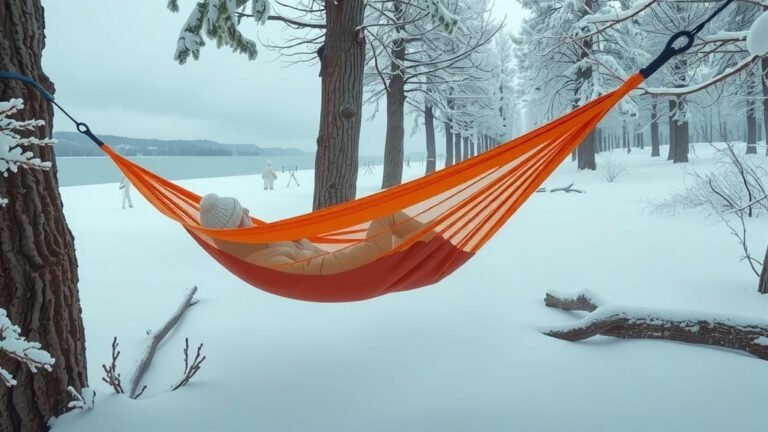
While a single layer hammock can be comfortable in mild to warm weather, it might leave you feeling chilly on cooler nights. If you plan on camping in temperatures below 60°F (15°C), you’ll likely need to add some form of insulation. This is something to definitely keep in mind when making your choice.
Durability and Slipperiness
Both single and double layer hammocks can be very durable, depending on the fabric quality and construction. However, some users find that sleeping in a double layer hammock can sometimes feel a bit “slippery” if you move around a lot, as you can shift between the two layers. A single layer hammock provides a more consistent surface.
We also found that double layer hammocks can sometimes snag more easily due to the extra layer of fabric, although this is not always the case. The overall longevity often comes down to the specific materials used by the manufacturer rather than just the layer count.
Choosing the Right Single Layer Hammock for You
So, you’re leaning towards a single layer hammock? That’s fantastic! To make sure you pick the perfect one for your needs, consider a few key aspects.
Think about where you’ll be using it most. Will it be for quick trips to the park, or will it be your primary shelter on multi-day backpacking excursions? Your answer will guide your fabric choice and weight considerations.
Fabric Material Matters
As we touched on, nylon is king here. Look for ripstop nylon. This weave helps prevent small tears from spreading. Different deniers (a measure of fabric thickness and density) will affect weight and durability. A lower denier (like 40D) means a lighter fabric, while a higher denier (like 70D) might be a bit heavier but potentially more robust. Many manufacturers will list the fabric specs, so check those out.
Weight and Packed Size Goals
If you’re shaving grams for a thru-hike, every ounce counts. Look for hammocks advertised as “ultralight” or specifically designed for backpacking. These will often use thinner, lighter fabrics and have minimal hardware.
Consider the Suspension System
The suspension is what attaches your hammock to trees. Many single layer hammocks come with basic webbing straps. For better tree protection and easier setup, you might consider upgrading to whoopie slings or tree-friendly straps. We found that adjustable suspension systems offer the most flexibility for finding the perfect hang angle.
What to Look For: A Quick Checklist
- Fabric Type: Aim for ripstop nylon.
- Weight: Under 20 ounces is great for portability.
- Packed Size: Does it stuff down small enough for your pack?
- Included Suspension: Is it tree-friendly and easy to use?
- Weight Capacity: Ensure it supports your weight comfortably.
- Stitching Quality: Look for reinforced seams.
By keeping these points in mind, you can confidently select a single layer hammock that will serve you well on your adventures.
Conclusion
You now understand that a single layer hammock is your go-to for lightweight adventure. Its simple, single-fabric design makes it incredibly packable and easy to set up. We’ve seen how this makes it ideal for backpackers, casual loungers, and anyone seeking quick relaxation on the go. While it might not be the best choice for cold weather without added insulation, its portability and straightforward nature are undeniable wins.
Ready to experience the ease of a single layer hammock for yourself? Your next adventure is waiting, and the perfect lightweight hammock can help you get there more comfortably. Consider your primary use case and start browsing models that match your needs.
Frequently Asked Questions
Are single layer hammocks comfortable enough for sleeping all night?
Yes, single layer hammocks can be very comfortable for sleeping, especially in mild to warm weather. Your comfort will largely depend on the fabric quality and how you set up your hammock. For cooler nights, you’ll likely want to add some form of insulation like a sleeping pad.
Can I use a single layer hammock in the rain?
You can use a single layer hammock in the rain, but the fabric will likely get wet. Many hammock fabrics are quick-drying, so it shouldn’t be an issue if you pack it up once the rain stops. A tarp overhead is always recommended for shelter during wet conditions.
How do I prevent my single layer hammock from stretching out over time?
Most hammocks are designed to stretch slightly with use, which is normal. To minimize excessive stretching, ensure you’re not exceeding the hammock’s weight capacity and avoid storing it in direct sunlight for extended periods. Proper suspension setup can also help distribute weight evenly.
What’s the difference between denier (D) ratings on hammock fabric?
The denier (D) rating refers to the thickness and density of the fabric’s fibers. A lower denier (like 40D) usually means a lighter, more packable fabric, while a higher denier (like 70D) indicates a heavier, potentially more durable fabric. It’s a trade-off between weight and ruggedness.
Do I need special straps to hang a single layer hammock?
While many single layer hammocks come with basic webbing straps, it’s often recommended to use tree-friendly straps. These wider straps distribute pressure better and protect the bark of the trees. Some suspension systems, like whoopie slings, also offer more adjustability for finding the perfect hang.