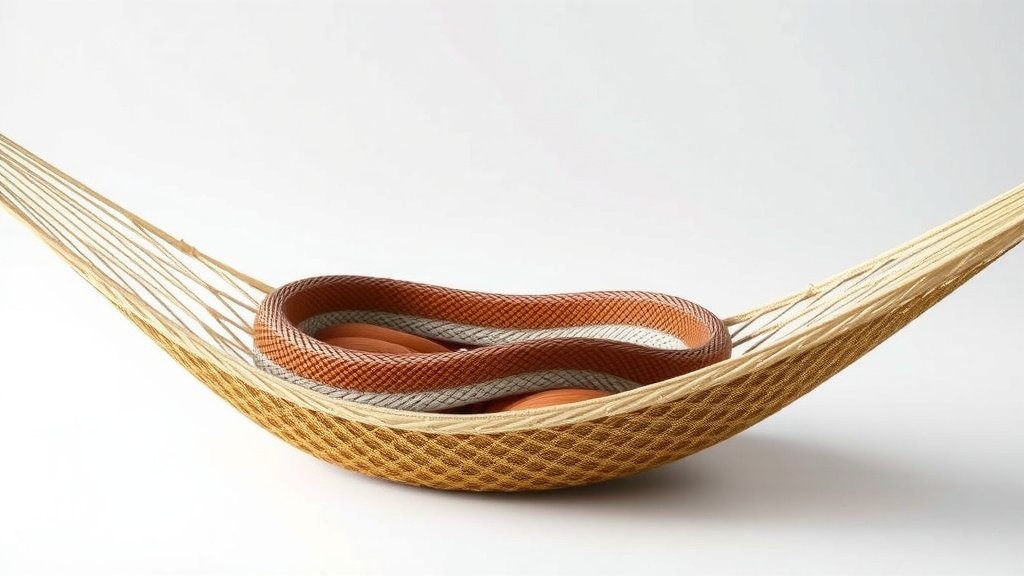
What is a Hammock Snake Skin: A Complete Guide
A hammock snake skin is exactly what it sounds like: the shed skin of a snake that you found in or near your hammock. Don’t panic! This usually just means a snake has recently slithered by. It’s a harmless sign of the wildlife around you.
Finding a snake’s discarded skin might seem a bit startling at first. However, it’s a common occurrence in many outdoor settings. This natural process is a clear indication that a snake has grown and moved on. Many people find them to be a unique outdoor souvenir.
- A hammock snake skin is simply a snake’s shed skin.
- It means a snake has recently been in the area.
- Shedding is a natural part of snake growth.
- It’s usually not a sign of danger.
- It’s an interesting piece of nature!
Let’s walk through why this happens and what you should do if you find one near your hammock.
Understanding a Hammock Snake Skin: What It Means
So, you’ve spotted a delicate, papery skin near your hammock. What exactly is a hammock snake skin? It’s simply the shed exoskeleton of a snake. This means a snake, likely a non-venomous one, has recently been in your camping or backyard area. It’s a natural process of growth and renewal for these fascinating reptiles.
Think of it like a snake outgrowing its clothes. As a snake grows, its skin doesn’t. So, it has to shed the old, tight layer to make way for a new, larger one. Finding this discarded skin is usually a sign of healthy wildlife around you, not something to be alarmed about.
Why Do Snakes Shed Their Skin?
Snakes shed their skin, a process called ecdysis, for several key reasons. The primary driver is growth. A young snake will shed much more frequently than an adult. As they grow, their scales don’t expand. The old skin becomes too constrictive, and they need a fresh, roomier covering.
Another reason for shedding is to replace damaged skin. Snakes can injure their scales from rough surfaces or encounters. Shedding allows them to get rid of any scarred or unhealthy skin. It’s like hitting a reset button for their outer layer. Many experts note that healthy snakes will shed this skin in one complete piece, almost like a sock.
Sometimes, shedding can also be triggered by environmental factors or even illness. However, the most common cause you’ll encounter is simple growth. This natural process is essential for their survival and well-being.
What Kind of Snake Might Have Been There?
It’s often tricky to identify the exact species of snake just from its shed skin. The skin loses some of its distinct features once it’s shed and dried. However, the size and pattern (if any remains) can give you a clue. In most backyard or campsite settings in North America, you’re likely dealing with a common, non-venomous species.
Common Backyard Snakes
Think about common garden snakes like the common garter snake. These are often small and harmless. Rat snakes and corn snakes are also frequent visitors to areas with plenty of insects and small rodents, which they prey on. These snakes are beneficial to have around, as they help control pest populations.
Understanding Scale Patterns
While detailed identification is tough, some general observations can be made. For instance, the shape of the scales on the belly (ventral scales) and the arrangement of scales on the head can sometimes offer hints. However, for the average person, it’s best to assume it’s a harmless snake, especially if you haven’t seen any venomous species in your area.
Is It Dangerous to Find Snake Skin?
Let’s be clear: finding a snake skin is not a sign of immediate danger. The snake itself is long gone. It has moved on to find food or a new place to rest. The skin is just an empty, discarded remnant of its passage. You are not in any harm’s way simply because you found its shed skin.
The danger from snakes comes from direct encounters, and even then, most snakes prefer to avoid humans. Venomous snakes are rare in many populated areas. The CDC reports that venomous snakebites are uncommon, and fatalities are even rarer, especially with prompt medical care. So, while you should always be aware of your surroundings when in nature, a snake skin itself is not a threat.
What to Do If You Find Snake Skin Near Your Hammock
Finding a snake skin can be a bit startling, but here’s a simple guide on what to do:
- Don’t panic. Remember, the snake is gone.
- Observe from a distance. If you’re curious, take a look without touching it.
- Leave it be. It’s a natural part of the environment.
- Clean up the area. If it’s right where you plan to set up your hammock, gently brush it away.
- Secure your hammock. Make sure your setup doesn’t offer easy access for wildlife.
Should You Keep It?
Some people find snake skins to be a unique natural souvenir. If you wish to keep it, gently pick it up (using gloves or a tool if you’re hesitant to touch it directly). You can then flatten it out and press it between heavy books for a while to help preserve it. Make sure it’s completely dry before storing it. Many find it a fascinating reminder of the wild world around them.
Tips for Hammock Camping and Wildlife Encounters
When you’re out enjoying your hammock, especially in wooded or natural areas, a little preparation goes a long way. Being aware of wildlife is part of the adventure!
- Choose your spot wisely. Try to avoid setting up your hammock right next to dense brush or deep holes where animals might shelter.
- Keep your campsite tidy. Store food properly to avoid attracting unwanted visitors, including snakes looking for rodents.
- Inspect your hammock and gear. Before you settle in, give your hammock a quick once-over. This includes checking any suspension straps or nearby vegetation.
- Educate yourself on local wildlife. Knowing what snakes are common in your area can help ease any anxieties.
- Respect wildlife. Observe animals from a safe distance and never try to handle or corner them.
The Fascinating Process of Snake Shedding
The shedding process itself is quite remarkable. Before shedding, a snake’s eyes often turn cloudy or bluish. This is because the spectacle, a transparent scale covering the eye, also gets shed. During this time, the snake’s eyesight is temporarily impaired, making them more vulnerable. They often seek a safe, hidden spot to complete the shed. Once the new skin is ready, they rub against rough surfaces to start the peeling process.
The old skin often splits near the snout. The snake then wriggles its way out, usually leaving the skin inside out. The result is a perfect, albeit delicate, replica of the snake’s body. We found that this complete shed is considered a sign of a healthy snake. It’s truly an amazing display of nature’s adaptability.
| Aspect | Snake Shedding (The Act) | Snake Skin Found (The Remnant) |
|---|---|---|
| What it is | The active process of a snake removing its old skin. | The discarded, dry outer layer left behind by the snake. |
| Snake Presence | The snake is present and actively shedding. | The snake is no longer present; it has moved on. |
| Danger Level | Low, as snakes usually avoid confrontation when vulnerable. | Zero. The snake is gone. |
| What to do | Observe from a safe distance; do not disturb. | Leave it, clean it up, or keep it as a souvenir. |
Understanding that finding snake skin is a normal part of the natural world can turn a potentially surprising moment into an interesting observation. It’s a reminder that you’re sharing your space with a variety of living creatures, each playing their part in the ecosystem. So next time you spot one, take a moment to appreciate this unique piece of nature’s design.

Conclusion
Finding a snake skin near your hammock is a natural part of the outdoor experience. Remember, it’s just a sign that a snake has shed its skin and moved on. This harmless remnant tells you that healthy wildlife is active in your surroundings. Instead of feeling worried, you can see it as a unique connection to nature. So, next time you spot one, observe it with curiosity, leave it be if you can, or gently clean it up. Then, settle into your hammock, knowing you’re sharing this space with fascinating creatures. Your next step is to simply enjoy the peace of your hammock, appreciating the wild world around you.
Frequently Asked Questions
Can a snake skin be poisonous?
No, a snake skin itself cannot be poisonous. The skin is an exoskeleton that a snake sheds as it grows. It doesn’t contain any venom or toxins. You are only at risk if you encounter a live venomous snake, and even then, most snakes prefer to avoid contact with humans.
What does it mean if I find a snake skin in my hammock?
Finding a snake skin in your hammock simply means a snake has recently passed through that area and shed its skin. It’s a natural occurrence and usually indicates the presence of common, non-venomous species. It’s a sign of healthy wildlife, not a cause for alarm.
How often do snakes shed their skin?
Snakes shed their skin at different rates depending on their age, species, and environment. Young, growing snakes tend to shed more frequently, sometimes every few weeks. Adult snakes might shed only once or twice a year. Factors like temperature and food availability can also influence shedding frequency.
Should I be worried if I find a whole snake skin?
Finding a whole snake skin is actually a good sign! It means the snake was healthy enough to shed its skin in one piece, almost like peeling off a sock. This indicates a successful and healthy shedding process, rather than one that was interrupted or difficult for the snake.
Can I keep a snake skin I find?
Yes, you can keep a snake skin if you find one. Many people collect them as interesting natural souvenirs. If you decide to keep it, handle it gently. You can preserve it by carefully flattening it and pressing it between heavy books until it’s completely dry.