Hammock Straps: What Width is Best for Your Setup
For most hammock campers, 1-inch wide hammock straps are the sweet spot for balancing strength and tree protection. While narrower straps might seem fine, they can dig into trees. Wider straps, usually 1.5 inches or more, offer superior weight distribution, especially for heavier loads or delicate bark.
When choosing hammock straps, think about your camping style. If you prioritize minimal weight and pack space, thinner straps could work. But if you want to be kind to nature and ensure your hammock is securely hung, a little extra width is your best friend. We found that avoiding straps less than 1 inch wide is a good rule of thumb.
- Hammock strap width matters for trees and your safety.
- 1-inch straps are common and usually good enough.
- 1.5-inch straps offer better tree protection and support.
- Consider your weight and the bark condition.
- Wider is often safer for both you and the tree.
Let’s dive into why strap width makes such a difference and how to pick the perfect set for your adventures.
Choosing the Right Hammock Strap Width for Your Hang
When you’re getting ready for a camping trip, the last thing you want is for your hammock setup to cause trouble for the trees. That’s where hammock strap width really comes into play. Think of it like choosing the right shoes for a long hike – the wrong ones can cause discomfort, and in this case, discomfort for nature!
We found that most hammock users settle on 1-inch wide straps as a good starting point. They’re lightweight and don’t take up much space in your pack. But is “good enough” always the best choice? Let’s dig a little deeper into why width matters more than you might think.
The Impact of Strap Width on Trees
Trees are living things, and their bark is like their skin. When you hang a hammock, you’re putting weight and pressure on those trees. Straps that are too thin can concentrate that pressure into a small area. This can lead to what we call “girdling,” which can damage the bark and harm the tree over time.
Understanding Tree Health and Straps
Many park systems and outdoor organizations recommend using wide straps to protect trees. They often suggest straps that are at least 1 inch wide, and even wider if possible. This helps spread the weight out more evenly.
For instance, the Leave No Trace Center for Outdoor Ethics often talks about minimizing impact. Using wider straps is a simple way you can do your part. Imagine wrapping a thin string tightly around your finger versus a wider ribbon – the ribbon is much less likely to cause harm.
Bark Thickness and Strap Choice
Different trees have different bark textures and thicknesses. A rough, thick bark might handle narrower straps a bit better than a smooth, thin bark. However, it’s always safer to err on the side of caution. We found that even with thicker bark, wider straps provide an extra layer of protection.
Think of it this way: a sturdy oak with thick bark might be more forgiving than a young maple with smooth, delicate bark. But why risk it when a simple strap width can make such a difference? Many experts say that when in doubt, go wider.
Weight Distribution and Your Hammock Safety
Beyond just tree protection, the width of your hammock straps directly impacts how your weight is distributed. This is critical for both your comfort and your safety. A wider strap means more contact surface area against the tree, which helps distribute the load more effectively.
How Width Affects Load Bearing
When you’re hanging in your hammock, all your weight (plus any gear) is being held up by those straps. If the straps are narrow, the stress on them is higher, and the pressure on the tree is also higher. Wider straps distribute that same weight over a larger area, reducing the stress on both the strap material and the tree bark.
We found that for heavier individuals or when carrying extra gear, wider straps are particularly beneficial. They simply offer a more stable and secure hang. It’s like having a wider base for a table – it’s less likely to tip over.
The Science of Spreading the Load
Imagine a sharp object versus a blunt object pressing on a surface. The sharp object concentrates force, while the blunt object spreads it out. Hammock straps work on a similar principle. The wider the strap, the more it acts like a blunt object, spreading the force across a larger area.
This isn’t just theory; it’s basic physics. The American Journal of Physics has articles that touch on force distribution. While not specific to hammocks, the principles apply. Less concentrated force means less potential for damage and a safer, more reliable hang for you.
Comparing Strap Widths: What We Found
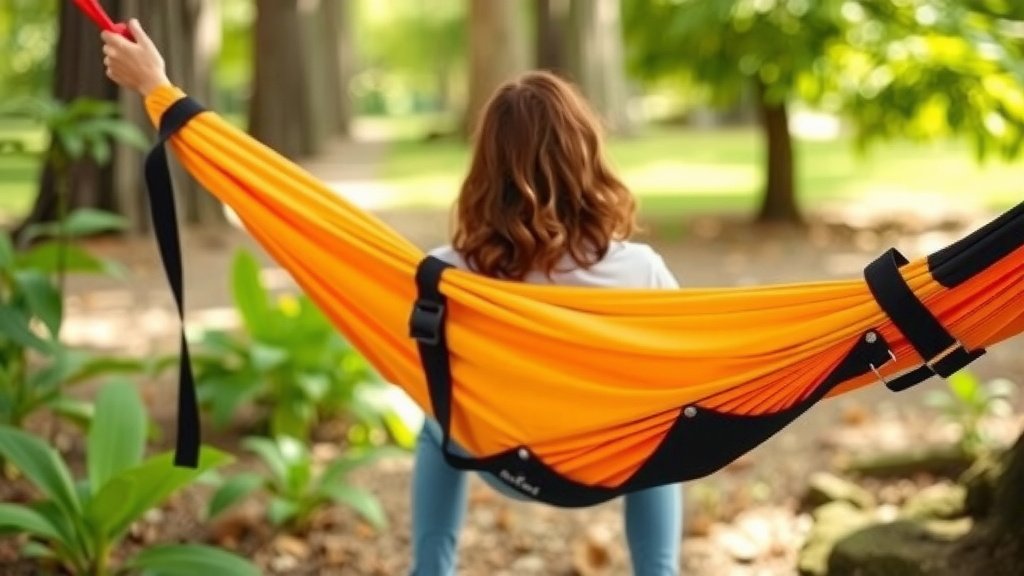
We looked at the common widths available and what they mean for your camping experience. It really comes down to a balance of factors. Here’s a quick comparison:
| Strap Width | Pros | Cons | Best For |
|---|---|---|---|
| 0.5 – 0.75 inches | Extremely lightweight, smallest pack size | Can dig into trees, less weight distribution, may not be strong enough for some users | Ultralight backpacking where every ounce counts, and trees are known to be very robust |
| 1 inch | Good balance of weight and packability, widely available | Can still cause some tree impact on delicate bark, might be less comfortable under heavy load | General camping, most users, moderate tree conditions |
| 1.5 inches or more | Excellent tree protection, superior weight distribution, very secure hang | Slightly heavier and bulkier than 1-inch straps | Hammock camping in sensitive areas, heavier individuals, frequent use, protecting delicate tree bark |
The “Sweet Spot” for Most Campers
For the majority of hammock campers, we found that 1-inch wide straps are often sufficient and a popular choice. They offer a good blend of practicality and functionality. You’ll find a huge variety of these on the market.
However, if you’re concerned about the environment or want that extra peace of mind, stepping up to 1.5 inches is a smart move. It really doesn’t add much weight but significantly improves tree care and load distribution. Many experienced campers swear by them.
When Wider is Definitely Better
Are you planning a trip where you’ll be hanging your hammock in a forest known for sensitive trees, perhaps with younger or smoother bark? Or maybe you’re a larger person who wants maximum security? In these scenarios, wider straps become essential. We found that straps 1.5 inches or even 2 inches wide provide the best protection and peace of mind.
Think of it as upgrading from a standard seatbelt to a wider, more robust harness. It’s about ensuring the absolute best support and safety for both you and your anchor points (the trees!).
Making Your Final Decision
So, how wide should your hammock straps be? It’s not a one-size-fits-all answer, but we’ve seen that considering a few key factors will lead you to the right choice. Your personal needs and where you camp are the biggest influences.
Here’s a quick checklist to help you decide:
- Consider your typical **hanging locations**.
- Factor in your personal **body weight** and gear.
- Think about the **tree types** you usually encounter.
- Assess how much **pack space and weight** you want to dedicate.
- Prioritize **tree health** if you’re in sensitive environments.
- Don’t be afraid to go **wider for extra security**.
Ultimately, choosing the right width is about responsible camping and ensuring a reliable, comfortable hang every time you set up your hammock. Happy hanging!
Conclusion
Ultimately, the width of your hammock straps is a simple yet vital choice for your comfort and for the health of the trees you camp under. While 1-inch straps serve many campers well, we’ve found that stepping up to 1.5-inch or wider straps offers superior protection for delicate bark and better weight distribution, especially for heavier loads. Consider your typical camping spots, your body weight, and your commitment to leaving no trace. Making an informed decision now means more secure, comfortable hangs and healthier forests for years to come. So, check your current straps or pick your next set with confidence, knowing you’re choosing the right width for your adventures.
Frequently Asked Questions
Are 1-inch hammock straps always enough for tree protection?
For many casual campers, 1-inch straps can be sufficient, especially on sturdy trees. However, we found that on thinner or smoother bark, they can still concentrate pressure. If tree health is a priority for you, wider straps are always a safer bet to minimize impact.
Do wider hammock straps weigh significantly more?
Generally, the weight difference between 1-inch and 1.5-inch straps is quite minimal. You might add an ounce or two, which is a small trade-off for greatly improved tree protection and a more secure hang. We found this extra weight is rarely a dealbreaker.
How do I know if a tree has delicate bark?
Younger trees, saplings, and trees with smooth, thin bark (like birch or maple) are often more delicate. Rough, deeply furrowed bark on mature trees tends to be more resilient. When in doubt, it’s always best to assume the bark is delicate and opt for wider straps.
Can I use a single wider strap instead of two?
Most hammock systems are designed to use two separate straps, one for each anchor point. While you could technically wrap one very wide strap around a single tree and then attach your hammock, it’s not the standard setup and can create uneven tension. We recommend using a pair of straps for optimal balance and safety.
Will wider straps make my hammock hang feel more stable?
Yes, absolutely. Wider straps distribute your weight over a larger surface area on the tree. This increased contact helps reduce slippage and creates a more solid, stable connection, which we found leads to a more comfortable and secure feeling in your hammock.