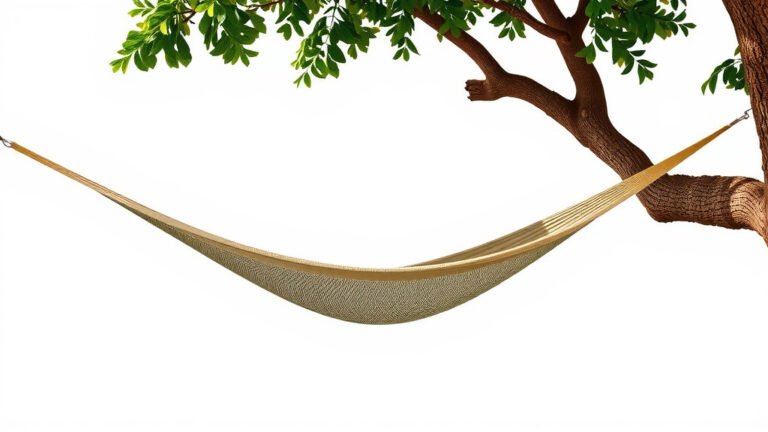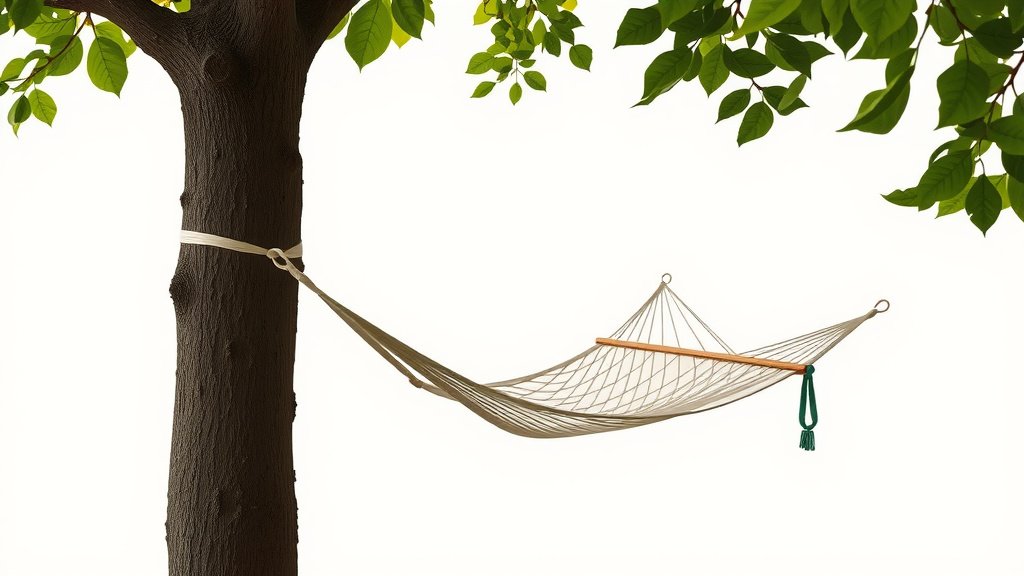
Safely Hang a Hammock Chair From a Tree
Yes, you can absolutely hang a hammock chair from a tree safely and securely. With the right support system and a sturdy tree, you can create your own cozy outdoor escape. It’s a fantastic way to enjoy your yard and a good book. Make sure your tree can handle the weight.
Choosing the right tree is key for a stable and safe setup. We found that a mature hardwood tree with a strong, healthy branch is ideal. Avoid trees with signs of disease or damage. Think of it as picking the perfect anchor for your relaxation station.
- Choose a mature, healthy hardwood tree.
- Inspect the tree for any signs of damage.
- Use a strong strap and secure hardware.
- Ensure the hanging height is comfortable.
- Test the chair’s weight capacity before relaxing.
Ready to build your perfect tree-hung hammock chair spot? We’ll walk you through the simple steps to get it set up safely and efficiently.
Hanging Your Hammock Chair from a Tree: A Simple Guide
You’ve got a hammock chair and a lovely tree in your yard. Now, how do you bring those two together for ultimate relaxation? It’s easier than you might think! You can create a charming little oasis without much fuss. We’ll guide you through the process step-by-step.
Choosing the Right Tree: Your Anchor for Relaxation
The foundation of your hammock chair setup is your tree. Picking the perfect tree is your first and most important task. Not all trees are created equal when it comes to supporting a swinging seat.
What Makes a Tree a Good Candidate?
You want a tree that’s strong and healthy. Think of it like choosing a strong branch for a swing set. Mature hardwood trees are generally the best choice. We’ve found that trees like oak, maple, and beech are excellent options. They have robust wood and strong root systems.
Your tree should be at least 12 inches in diameter. This measurement is typically taken about 4 feet off the ground. A thicker trunk means more stability. Many arborists agree that a diameter of 12 inches is a good starting point for weight-bearing. It gives you peace of mind.
Inspecting Your Tree for Health
Before you get too excited, take a good, close look at your chosen tree. You need to check for any signs of weakness. Look for dead branches or areas where the bark is peeling excessively. Are there any large cracks or hollow spots? These could indicate rot or disease. You might even see signs of insect infestation.
If you see any of these issues, it’s best to choose a different tree. For your safety and the health of the tree, it’s important to be sure. We recommend consulting with a certified arborist if you’re unsure about your tree’s health. They can give you expert advice.
Essential Hanging Hardware: What You’ll Need
Once you’ve picked your tree, it’s time to gather your hanging supplies. Using the right hardware is key to a secure and long-lasting setup. You don’t want to skimp here!
The Hammock Chair Strap: Your Tree’s Best Friend
Forget about nails or screws directly into the tree. That’s bad for the tree and not very secure for you. A heavy-duty hammock tree strap is your best bet. These straps are designed to distribute weight evenly. They also protect the tree’s bark from damage. Many straps are made from strong, weather-resistant nylon or polyester webbing. They often come with a metal D-ring or carabiner attachment point. A heavy-duty hammock tree strap is your best bet for secure hanging.
When choosing a strap, look for one that specifies a high weight capacity. Many can hold 300-1000 pounds. Check the product details carefully. You want a strap that’s long enough to go around your tree trunk comfortably. You might need one that’s 6-10 feet long, depending on your tree’s size.
Carabiners and S-Hooks: The Connectors
You’ll also need a way to connect your hammock chair to the strap. A strong carabiner is usually the easiest and safest option. Look for climbing-grade or heavy-duty load-bearing carabiners. These are built to handle significant weight and stress. An S-hook can also work, but make sure it’s a robust one, not a flimsy utility hook. Always ensure the carabiner or hook can be securely closed to prevent accidental detachment.
The Hammock Chair Itself: Weight Considerations
Your hammock chair has its own weight limit. Always check the manufacturer’s specifications. Most hammock chairs are designed for one person. Their weight limits typically range from 250 to 500 pounds. Make sure this limit is well within the capacity of your chosen strap and carabiner.
The Hanging Process: Step-by-Step
Now for the fun part – actually hanging your chair! It’s a pretty straightforward process once you have your tree and gear ready. Remember, safety first!
Step 1: Positioning the Strap
Wrap your hammock tree strap around the chosen branch or trunk. Aim for a height that will allow your hammock chair to hang at a comfortable level. A good starting point is usually 6 to 8 feet off the ground. This allows for easy entry and exit. Ensure the strap is snug but not so tight that it digs into the bark. You want it to hug the tree securely.
Step 2: Attaching the Chair
Once the strap is in place, attach your carabiner to the D-ring or loop on the strap. Then, clip the carabiner to the hanging loop of your hammock chair. If your chair has a spreader bar, ensure it’s facing the right direction for comfortable seating.
Step 3: Testing for Stability
Before you settle in for a long afternoon of reading, test the setup thoroughly. Gently pull down on the chair. Apply your weight gradually. Sit in the chair carefully and shift your weight around. Listen for any creaking or straining sounds. Does it feel solid and secure? If anything seems loose or unstable, adjust the strap or check your hardware.
Step 4: Adjusting the Height and Angle
You might find that the initial height isn’t quite right. Perhaps it’s too high, too low, or the chair hangs at an awkward angle. You can adjust this by moving the strap higher or lower on the tree. Some straps have multiple loops, allowing for fine-tuning. The goal is a comfortable and balanced hang.

Safety Checklist for Your Hammock Chair Setup
Here’s a quick checklist to ensure your hammock chair is hung safely:
- Tree Health: Is your tree mature, healthy, and free of rot or damage?
- Strap Strength: Does your tree strap have a sufficient weight capacity?
- Hardware Integrity: Are your carabiners or hooks sturdy and securely fastened?
- Attachment Point: Is the strap positioned at a safe height and securely around the trunk/branch?
- Weight Test: Have you tested the chair’s stability with gradual weight application?
- Comfort Check: Does the chair hang at a comfortable height and angle for you?
Maintaining Your Hammock Chair Setup
To keep your relaxation station in top shape, a little maintenance goes a long way. Periodically inspect your tree strap for signs of wear and tear. Check the carabiner and any other hardware for rust or damage. Trees can also change over time, so a quick visual check of your tree’s health now and then is a good idea. Many experts suggest checking your hanging setup at least once a season. This ensures your hammock chair remains a safe and enjoyable spot for years to come.
Conclusion
You’ve now got all the knowledge you need to hang your hammock chair from a tree. Remember, the key is selecting a healthy, mature tree and using strong, reliable hardware. By following these steps and prioritizing safety, you’ll create a wonderful spot for relaxation in your own backyard. Don’t wait any longer to create your cozy escape. Go ahead and gather your supplies, pick your perfect tree, and get ready to swing into relaxation!
Frequently Asked Questions
How high should I hang my hammock chair from the tree?
A good starting height is typically between 6 to 8 feet off the ground. This makes it easy to get in and out of the chair. You can adjust this based on your personal comfort and the height of the branch you choose.
Can I hang a hammock chair from a dead tree?
No, it’s strongly advised against hanging a hammock chair from a dead tree. Dead trees can be brittle and may not have the structural integrity to safely support the weight. Always choose a living, healthy tree.
What if my tree doesn’t have a strong, low branch?
If your tree lacks a suitable low branch, you can often wrap the strap around the main trunk instead. Ensure the trunk is at least 12 inches in diameter for adequate support.
How often should I check the hammock chair’s hanging setup?
It’s a good practice to inspect your setup at least once a season, or more often if you use it frequently. Check the strap for wear, ensure hardware is secure, and visually inspect the tree’s health.
Do I need any special tools to hang a hammock chair?
Generally, no special tools are required for basic hanging. You’ll mainly need your tree strap, carabiner, and the hammock chair itself. A ladder might be helpful for reaching higher branches.