Stop Hammock Sliding: Sleeping Pad Hacks
To keep your sleeping pad from sliding in your hammock, you need to create more friction between the pad and the hammock fabric. This can be done using a few simple methods like adding a grippy liner, using straps, or choosing the right pad. You want a setup that feels secure, so you can actually relax and enjoy your hammock time without a constant battle against gravity. A slipping pad is more than just annoying; it can ruin your sleep and your trip. Our guide on how to use a sleeping pad in a hammock explains the best methods.
Many hammock campers run into this issue. It’s a common problem that can make you feel like you’re wrestling a greased pig. The good news is that with a little preparation, you can stop the slide and get a great night’s sleep. We’ve found that addressing this often overlooked detail makes a huge difference in comfort and overall enjoyment.
- Use a grippy liner or rug.
- Secure the pad with straps.
- Consider pads with textured bottoms.
- Ensure your pad fits your hammock well.
- Test your setup before your trip.
Let’s walk through the best ways to secure your sleeping pad so it stays put all night long.
Stopping Your Sleeping Pad’s Slumber Party Slide
It’s a common frustration for hammock campers: you finally get settled in, ready to drift off to sleep, only to feel your sleeping pad inching its way down. You wake up cold and uncomfortable, having spent half the night trying to keep your pad in place. Don’t let this happen to you! Keeping your sleeping pad from sliding is totally achievable with the right strategies.
The core issue is friction, or the lack thereof. Hammock fabrics are often smooth, and so are many sleeping pads. This creates a slippery situation. We’ve found that the best solutions involve adding grip or securing the pad in place. Let’s look at how you can achieve a more stable and comfortable night’s rest.
Adding Grip: Your First Line of Defense
Sometimes, all you need is a little extra traction between your pad and your hammock. Think of it like adding non-slip grips to your socks. This is a simple fix that can make a huge difference.
The Magic of Grippy Liners
One of the easiest ways to stop the slide is to place a grippy liner between your sleeping pad and your hammock. Many campers swear by this method. You can find specialized liner materials designed for this purpose, often made from silicone or textured rubber. These materials create a much higher coefficient of friction than standard nylon or polyester.
Another popular option is using a small piece of a rubber-backed rug or a yoga mat. Just cut it to the size of your sleeping pad. These common household items offer excellent grip. We found that even a thin layer can prevent significant slippage. Remember to test how much material you need; too much can add unnecessary bulk and weight.
DIY Grip Solutions
If you’re feeling crafty, you can add grip directly to your sleeping pad. Some people use fabric glue or spray adhesives to attach small patches of grip material to the bottom of their pad. Researching durable, flexible adhesives is key here. You want something that won’t crack or peel off after a few uses. Another idea is to stitch on strips of silicone or rubber. This requires a bit more effort but can create a permanent, integrated grip solution.
Securing Your Pad: Straps and Ties
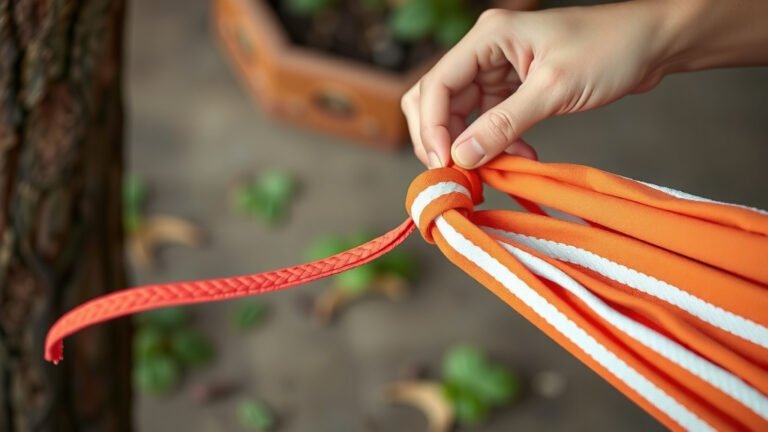
When adding grip isn’t enough, or if you prefer a more robust solution, securing your sleeping pad with straps is a reliable method. This essentially ties your pad to your hammock, preventing it from shifting.
Using Your Hammock’s Suspension
Many modern hammocks come with built-in suspension systems that can be adapted. If your hammock has daisy chains or adjustable straps, you might be able to loop some extra webbing or cordage through them and around your pad. This creates a secure anchor point. You’ll want to ensure the straps are snug but not so tight that they deform your pad or hammock uncomfortably.
Dedicated Hammock Straps for Pads
There are also specialized straps designed specifically for holding sleeping pads in hammocks. These are often simple webbing straps with buckles or velcro. You typically wrap them around your pad and then connect them to anchor points on your hammock or underquilt. We found that adjustable straps offer the most flexibility. They allow you to fine-tune the tension for optimal security and comfort.
A simple setup might involve two straps, one near your head and one near your feet. Some campers also use a single strap that runs the length of the pad, securing it at multiple points. The goal is to create a system that holds the pad firmly in place without creating pressure points.
Choosing the Right Gear: Pad and Hammock Fit
Sometimes, the issue isn’t just slippage; it’s about how well your gear works together. The shape and size of your sleeping pad, as well as the design of your hammock, play a role.
Pad Shape Matters
Rectangular pads tend to slide more than mummy-shaped or contoured pads. Mummy-shaped pads often have a more fitted profile that naturally tucks into the curve of a hammock. We found that using a pad that’s roughly the same width as your hammock is ideal. If your pad is too narrow, it can easily roll off the sides.
Hammock Design Considerations
Some hammocks have built-in footboxes or a more pronounced curve that helps cradle a sleeping pad. If your hammock is very wide and flat, you might experience more sliding. Consider if your hammock design itself contributes to the problem. When researching hammocks, look for features that offer a more secure sleeping platform.
Texture on Your Pad
While not always the primary solution, the texture of your sleeping pad’s surface can help. Many inflatable pads have smooth surfaces. However, some models are designed with textured bottoms or raised patterns. These features can provide a small amount of extra grip, even without additional liners or straps. If you’re in the market for a new pad, look for these subtle grip-enhancing features.

Pre-Trip Testing: Your Secret Weapon
The worst time to discover your sleeping pad is sliding is in the middle of the night. Before you head out on your trip, it’s essential to test your setup at home. Set up your hammock in your backyard or even just in your living room.
Spend some time in it. Lie down, shift your weight, roll over – just like you would at night. Does the pad stay put? Do you feel any slippage? This is your chance to make adjustments. You might need to tighten straps, reposition a liner, or try a different securing method.
We found that testing your gear is often the most overlooked step. It’s also one of the most important. This allows you to fine-tune your system and ensure a comfortable night’s sleep before you’re miles from civilization. A few minutes of testing can save you a night of discomfort.
A Quick Checklist for Pad Stability
- Choose a sleeping pad that fits your hammock’s width well.
- Consider a mummy-shaped or contoured pad for better natural fit.
- Add a grippy liner (rubber rug piece, yoga mat, or commercial liner).
- Experiment with securing straps around your pad and hammock.
- Test your chosen method thoroughly before your trip.
- Ensure your pad’s texture is not excessively smooth.
Conclusion
Keeping your sleeping pad from sliding in your hammock doesn’t have to be a nightly struggle. By understanding the core issue of friction, you’ve learned several effective strategies. You can add grip with liners, secure the pad with straps, or even choose gear with built-in features that help. We’ve found that a combination of these methods often yields the best results. Don’t let a slipping pad disrupt your rest. Your next step is simple: pick one method that appeals to you, gather any necessary materials, and test it out before your next adventure.
Frequently Asked Questions
What’s the easiest way to stop my sleeping pad from sliding?
The simplest fix is often adding a grippy liner between your pad and hammock. A small piece of a rubber-backed rug or a cut-up yoga mat works wonders. You can also purchase specialized non-slip liners designed for this purpose. This method requires minimal effort and can make a significant difference.
Can I use straps to secure my sleeping pad?
Absolutely. Using straps is a very reliable method. You can often adapt your hammock’s existing suspension system or use dedicated straps designed for pads. Wrap them around your pad and connect them to your hammock anchors. Just ensure they’re snug but not overly tight to avoid deforming your gear.
Do some sleeping pads work better in hammocks than others?
Yes, pad shape and texture can play a role. Mummy-shaped pads often conform better to a hammock’s curve than rectangular ones. Also, some pads have textured bottoms that offer a bit more natural grip. If you’re buying new gear, consider these features.
How do I know if my sleeping pad is the right size for my hammock?
Ideally, your sleeping pad should be roughly the same width as your hammock. If it’s too narrow, it has a greater tendency to slide off the sides. A pad that fits well offers a more stable base and is less likely to shift during the night.
Is it really necessary to test my sleeping pad setup before a trip?
We can’t stress this enough: yes! Testing your setup at home is your secret weapon against mid-night slippage. It allows you to make any necessary adjustments to your liner or straps. This ensures you’ll have a comfortable night’s sleep once you’re actually out camping.