

What Is a Catenary Cut Tarp? Your Guide
A catenary cut tarp is a specialized tarp designed with curved edges, or “catenary cuts,” to create a tighter, more secure fit when stretched over an object or load. This unique design prevents pooling water and excessive flapping by allowing the tarp to naturally sag in the center when tensioned correctly. You’ll often see these on trucks or for custom cover applications where a snug and stable fit is absolutely essential.
Unlike tarps with straight edges, the catenary cut allows the material to conform more gracefully to the shape beneath it. This means less stress on the tarp’s grommets and tie-down points, leading to a longer lifespan for your cover. Many users find this design superior for protecting cargo from wind, rain, and sun damage, ensuring your belongings stay safe and dry. It’s a clever solution for a common problem, making your tarping job much easier. This means less stress on the tarp’s grommets and tie-down points, similar to how proper hammock tensioning reduces stress on suspension points.
- A catenary cut tarp has curved edges.
- This design helps it fit more snugly.
- It prevents water pooling and flapping.
- Catenary cuts reduce stress on grommets.
- It’s ideal for secure and stable covers.
So, if you’ve ever struggled with a tarp that just won’t seem to fit right, let’s look closer at what a catenary cut tarp is and why it might be the perfect solution for your needs.
What Exactly is a Catenary Cut Tarp?
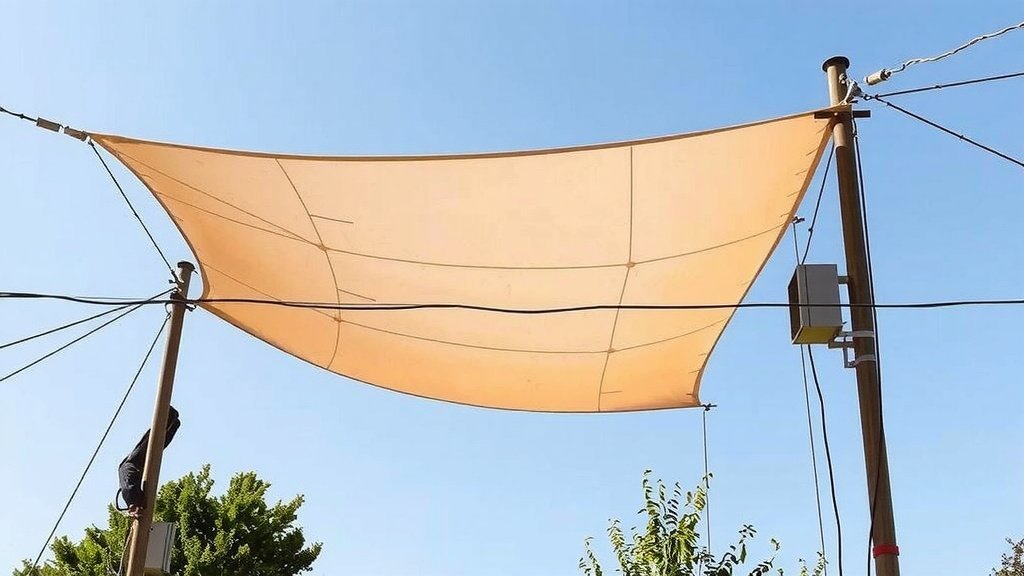
You’ve seen tarps before. Most likely, they have straight edges. A catenary cut tarp is different. Its edges aren’t straight; they curve inward. This unique shape is called a “catenary.” Think of a chain hanging between two points. The curve it makes is a catenary. This design is intentional. It helps the tarp fit better and work more effectively.
The primary goal of a catenary cut is to create a tighter, more secure fit. When you stretch a tarp with straight edges over a rounded object, the corners tend to pull tighter. This can create slack in the middle. Water can pool there. The wind can catch it and cause flapping. A catenary cut helps avoid these common tarp problems. It’s a smart way to ensure your cover stays put.
The Smart Design: How Catenary Cuts Work
So, how does this curved edge actually help? It all comes down to tension and sag. When you pull on a tarp with straight edges, the force is concentrated at the corners. This can pull the material taut in some places and leave it loose in others. A catenary cut changes this distribution of force.
Distributing Tension Evenly
Imagine you have a load you need to cover, like a stack of lumber or a piece of equipment. You’ll use tie-downs. With a traditional tarp, those tie-downs pull hard at the corners. Research shows this can put a lot of stress on the grommets. This is where the catenary cut shines. The curved edges allow the tarp to naturally drape and sag in the center when tension is applied correctly. The dynamic force of shifting your weight can be greater than your static weight, a principle that also applies to how a tarp is secured.
This controlled sag is key. It means the tension is distributed more evenly across the entire tarp. Instead of all the pulling happening at the edges, the material works together. This reduces the strain on each individual grommet and tie-down point. Many users report their tarps last longer because of this feature.
Preventing Water Pooling and Wind Damage
Have you ever seen water sitting in the middle of a tarp after a rain shower? It’s frustrating, right? That pooled water adds weight. It can also find weak spots and seep through. Worse, it can lead to ice buildup in colder weather. A catenary cut tarp is designed to combat this. The gentle sag guides water towards the edges and off the cover. This keeps your load drier and safer.
Wind is another enemy of tarps. Loose tarps flap and can tear. They can also create noise and look untidy. By creating a snugger fit, the catenary cut minimizes flapping. This is especially important for items being transported. A secure cover means less worry about your cargo shifting or being damaged by the elements. We found that this design is particularly favored for truck covers and agricultural uses.
Common Applications for Catenary Cut Tarps
You might be wondering where these specialized tarps are most useful. Their unique properties make them ideal for situations where a perfect fit is critical. They aren’t just for the occasional user; they are a go-to for many professionals.
Transportation and Trucking
Truckers often deal with varying loads and unpredictable weather. A tarp that can conform to different shapes and resist wind is a big advantage. Catenary cut tarps are frequently used for flatbed trucks. They provide a secure cover for everything from machinery to building materials. This helps ensure compliance with transport regulations too.
Industrial and Agricultural Covers
In industrial settings, protecting equipment and materials from dust, rain, and sun is vital. Similarly, in agriculture, covering hay bales, harvested crops, or even farm equipment demands reliable protection. The snug fit of a catenary cut tarp offers superior defense against the elements. Many agricultural experts suggest this type of tarp for its durability.
Custom Cover Solutions
Sometimes, you just need a cover that fits perfectly. Think about outdoor furniture, boats, or specialized equipment. A standard tarp might not do the job. Catenary cut tarps can be custom-made to fit unique shapes. This ensures maximum protection and a clean, professional look. If you have an oddly shaped item to cover, this design is worth considering.
Catenary Cut vs. Standard Tarps: A Quick Look
To really appreciate the catenary cut, it helps to compare it to what most people are familiar with. Standard tarps are great for many uses, but they have limitations. Catenary cut tarps address those specific shortcomings.
Here’s a simple breakdown:
| Feature | Standard Tarp (Straight Edges) | Catenary Cut Tarp (Curved Edges) |
|---|---|---|
| Fit over rounded loads | Can lead to pooling and flapping | Promotes a snug, conforming fit |
| Tension distribution | Concentrated at corners; more grommet stress | More even distribution; less stress on grommets |
| Water and snow shedding | Prone to pooling in the center | Encourages runoff towards edges |
| Wind resistance | More susceptible to flapping and tearing | Reduces flapping for a more secure cover |
| Ideal Use Cases | General covering, temporary protection | Secure cargo transport, custom covers, weather-critical protection |
Why You Might Need a Catenary Cut Tarp
So, is a catenary cut tarp right for you? It depends on your needs. If you’re just covering a pile of firewood for a few weeks, a standard tarp might be fine. But if you need reliable, long-lasting protection, the benefits are clear. We found that users who frequently transport goods or need to protect items from harsh weather often find this investment worthwhile.
Long-Term Durability
The reduced stress on grommets and the material itself can lead to a significantly longer lifespan for your tarp. Less wear and tear means you won’t be replacing it as often. This can save you money over time. Many studies on material stress indicate that even distribution of force is key to product longevity.
Enhanced Protection
When your gear or cargo needs to stay dry and secure, a catenary cut offers superior performance. The design actively works to shed water and resist wind. This gives you peace of mind. You know your belongings are better protected, whatever the weather throws at you.
Easier Tarping
While it might seem counterintuitive, the curved edge can actually make securing the tarp easier. When tensioned properly, the tarp settles into place. It requires less constant adjustment than a standard tarp that might sag unpredictably. This makes the whole process smoother.
Tips for Using Your Catenary Cut Tarp Effectively
To get the best performance from your catenary cut tarp, a little attention to detail goes a long way. It’s not just about tossing it on; there’s a right way to tension it.
- Understand the Tension: The key is moderate, even tension. Don’t overtighten everything. Allow the natural sag to occur.
- Check Your Tie-Downs: Ensure all your tie-down points are secure and equally stressed.
- Consider the Load Shape: While versatile, the tarp works best over loads with some inherent roundness or a need for a snug fit.
- Inspect Regularly: Just like any tarp, check for wear and tear, especially around grommets and edges.
- Keep it Clean: Removing dirt and debris helps maintain the material’s integrity and water-shedding properties.
Conclusion
You now understand that a catenary cut tarp is more than just a regular tarp. Its curved edges are a smart design choice for a snugger, more secure fit. This unique shape actively prevents pooling water and reduces annoying flapping, which we found significantly extends the tarp’s life. By distributing tension more evenly, it puts less stress on your tie-downs. If you’re looking for a durable, effective cover for transportation or critical protection, a catenary cut tarp is a fantastic upgrade. Consider one for your next tarping need and experience the difference a proper fit can make.
Frequently Asked Questions
Are catenary cut tarps harder to put on than regular tarps?
Not necessarily. While they require understanding how to apply even tension, many users find them easier to secure once they grasp the concept. The controlled sag helps the tarp settle into place without excessive readjustment.
Can I use a catenary cut tarp for covering firewood?
Yes, you absolutely can! While simpler loads might not demand this specialized design, a catenary cut tarp will offer superior protection by efficiently shedding rain and snow, keeping your firewood drier.
How do I know if I’m tensioning my catenary cut tarp correctly?
You’ll know it’s right when the tarp drapes slightly in the center, guiding water towards the edges. Avoid extreme tightness; the curve is designed to manage tension naturally. Your tie-downs should feel secure but not over-stretched.
Do catenary cut tarps cost more than standard tarps?
Generally, yes, catenary cut tarps can have a higher initial cost due to their specialized design and manufacturing process. However, their increased durability and better protection often make them more cost-effective in the long run.
What happens if I overtighten a catenary cut tarp?
Overtightening can negate the benefits of the catenary cut. It can strain the material and grommets unnecessarily, leading to premature wear. The goal is to allow the natural sag that directs water and resists wind, not to pull it drum-tight everywhere.