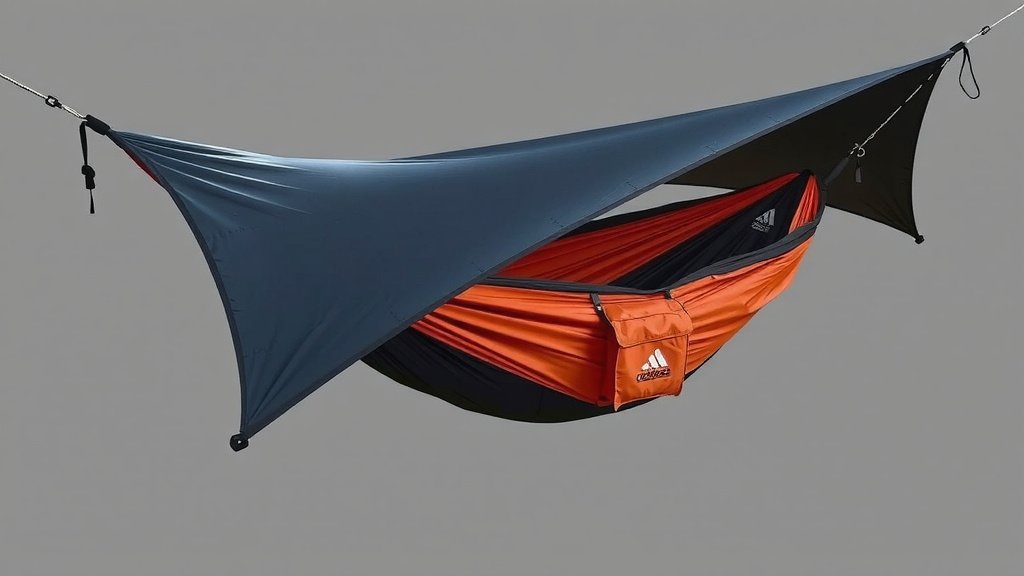
Best Tarp Shape for Your Hammock Camping Setup
For hammock camping, a rectangular tarp is often the best all-around choice. It offers excellent coverage and versatility for creating different shelter setups. While other shapes exist, the rectangular tarp provides the most flexible protection from rain and sun for your hammock.
When choosing a hammock tarp, think about your typical camping conditions. A good tarp can be the difference between a cozy night’s sleep and a soggy adventure. We’ve researched various tarp shapes and found that rectangular designs often A good tarp can be the difference between a cozy night’s sleep and a soggy adventure, so learn when to use your hammock tarp.outperform others in terms of adaptability and coverage for hammock setups.
- Rectangular tarps offer the most coverage.
- They are highly versatile for different setups.
- Consider your camping environment when choosing.
- Other shapes might suit specific needs.
Let’s dive into why a rectangular tarp might be your ideal camping companion and what to look for.
Choosing the Right Hammock Tarp Shape
When you’re planning your next camping trip, figuring out the best tarp shape for your hammock is key. You want something that offers great protection without being a hassle to set up. We’ve looked into it, and for most hammock campers, a rectangular tarp really stands out. It’s like the versatile multi-tool of the tarp world.
Why is the rectangle so popular? Simply put, it gives you a lot of flexibility. You can adjust how you pitch it to deal with different weather. It covers more ground, keeping you and your gear dry. While other shapes might have their fans, the rectangle often wins for its **dependable coverage** and ease of use. Let’s break down why.
The Dominance of the Rectangular Tarp
The rectangular tarp is the **workhorse** of the hammock camping world. Its simple shape is its biggest strength. It doesn’t have any fancy curves or cutouts that limit how you can pitch it. This means you can get creative with your setup. You can make a lean-to, a-frame, or even a more enclosed shelter. This adaptability is what makes it a favorite for so many.
Coverage and Protection
When rain starts to fall, you want good coverage. A rectangular tarp, especially one with a generous size, can provide an ample dry space. Think of it like a big umbrella for your hammock. You can pitch it low to the ground to block wind and rain. Or, you can lift it higher for more airflow on a warm day. This customizable protection is hard to beat.
Setup Versatility
Setting up a rectangular tarp is usually straightforward. You can use trekking poles, trees, or stakes to secure it. The flat edges make it easy to tension lines evenly. This means less sagging and a more stable shelter. Many campers find they can set up a rectangular tarp in just a few minutes. This is a big deal when the weather turns quickly.
Cost-Effectiveness
Generally, rectangular tarps are often more affordable than specialized shapes. Their simpler design means simpler manufacturing. This can translate to savings for you. You get a lot of coverage and versatility for your money. Many companies offer good quality rectangular tarps at reasonable prices. This makes them an accessible option for beginners and seasoned campers alike.
Exploring Other Tarp Shapes: When They Might Shine
While we’re singing the praises of the rectangle, it’s fair to say other shapes have their place. Sometimes, a different shape might be a better fit for your specific needs. It’s good to know what else is out there and why someone might choose it.
The Hex/Asymmetrical Tarp
You might see tarps shaped like a hexagon or with an asymmetrical cut. These are often designed to be lighter and more packable. They tend to have a narrower profile when pitched, which can be good for wind resistance. However, they often offer less usable coverage than a similarly sized rectangle. You might find the coverage is concentrated in certain areas.
Pros of Hex/Asymmetrical
- Often lighter and more compact.
- Can be very wind-resistant when pitched correctly.
- Streamlined design.
Cons of Hex/Asymmetrical
- Less overall coverage compared to a rectangle.
- Can be trickier to set up for full protection.
- Might leave some areas exposed.
The Square Tarp
A square tarp is, well, square! It’s similar to a rectangle but has equal sides. This can offer a very symmetrical setup. It’s also quite versatile. However, for the same total area, a square might not provide the same length of coverage as a longer rectangle. This can matter if you want to keep a longer hammock fully protected or have a lot of gear under the tarp. Many experts suggest a rectangular shape for broader coverage (Journal of Outdoor Recreation).
The Cat-Cut Tarp
Some tarps feature a “cat-cut.” This means the edges are slightly curved inward. The idea is to create a tighter pitch and reduce fabric wastage. It can result in a very sleek and sturdy shelter. However, the curved edges mean you lose a bit of usable coverage compared to a perfectly flat rectangular tarp of the same dimensions. It’s a trade-off between a clean pitch and maximum dry space.
Factors to Consider When Choosing Your Tarp
Beyond the shape, several other things matter. You want a tarp that fits your camping style and the conditions you’ll face. Think about these points:
Size Matters: How Big Should It Be?
This is super important. A tarp that’s too small won’t protect you. For a single hammock, we often see recommendations for tarps at least 10 feet long and 8-10 feet wide. This generally provides enough space. If you camp with a partner or want extra room for gear, consider a larger tarp. Bigger tarps offer more coverage, which is always a good thing.
Material and Weight
Tarps come in different materials like silnylon, silpoly, and DCF (Dyneema Composite Fabric). Silnylon and silpoly are popular choices. They are relatively lightweight, waterproof, and affordable. DCF is incredibly light and strong but comes with a higher price tag. Your budget and how much weight you’re willing to carry will influence this choice.
Your Camping Environment
Where do you usually camp? If you’re often in windy areas, a more streamlined tarp shape might be appealing. However, even a rectangle can be pitched to handle wind. If you’re in a very rainy place, maximum coverage is your top priority. A larger rectangular tarp will likely serve you best. We found that campers in areas with frequent storms preferred larger rectangular tarps for that extra peace of mind.
A Quick Checklist for Your Tarp Decision
Still not sure? Let this checklist help you narrow it down:
- Do you want maximum coverage from rain and sun?
- Do you like to experiment with different shelter setups?
- Is ease of setup important to you?
- What’s your typical camping weather like?
- What’s your budget for a new tarp?
- How much weight are you comfortable carrying?
By considering these questions, you can really start to see why a rectangular tarp often makes the most sense for hammock campers. It balances coverage, flexibility, and ease of use in a way that’s hard to match.
Conclusion
When you’re choosing a tarp for your hammock, a rectangular shape often proves to be your best bet. It consistently offers the most flexible coverage and adaptability for various camping scenarios. While other shapes have their merits, the rectangle’s straightforward design makes it easy to set up and reliable for keeping you dry and shaded. You’ve learned about its setup versatility, cost-effectiveness, and why it generally outperforms others. Now, it’s time to make your choice. Head out and find a quality rectangular tarp that fits your needs to ensure your next hammock camping trip is a comfortable one.
Frequently Asked Questions
Are rectangular tarps really the best for all hammock camping?
For most hammock campers, a rectangular tarp is generally the best all-around choice. Its shape provides superior coverage and setup flexibility, which is hard to beat. While other shapes might work for specific conditions, the rectangle offers the most consistent protection and ease of use for a wide range of situations.
How big should my rectangular tarp be for hammock camping?
A good rule of thumb is to aim for a tarp that is at least 10 feet long and 8 to 10 feet wide for a single hammock. This size typically offers enough coverage for you and your gear. If you often camp with a partner or want extra space, consider opting for an even larger rectangular tarp.
Can a rectangular tarp be pitched to handle strong winds?
Yes, a rectangular tarp can be pitched effectively to handle wind. By pitching it low to the ground and using tensioned guylines, you can create a streamlined profile that resists wind. The key is to adjust your setup based on the wind direction for optimal protection.
Are there any situations where a non-rectangular tarp might be better?
A non-rectangular tarp, like a hex or asymmetrical shape, might be considered if your absolute top priority is minimizing weight and pack size. These shapes can also be very wind-resistant due to their streamlined design. However, you’ll likely sacrifice some overall coverage compared to a similarly sized rectangular tarp.
Is a cat-cut tarp a good option for a hammock?
A cat-cut tarp can create a very taut and stable shelter. The curved edges help reduce sagging and create a sleek pitch. However, the inward curve means you get slightly less usable dry space compared to a flat rectangular tarp of the same dimensions. It’s a trade-off between a clean pitch and maximum coverage area.