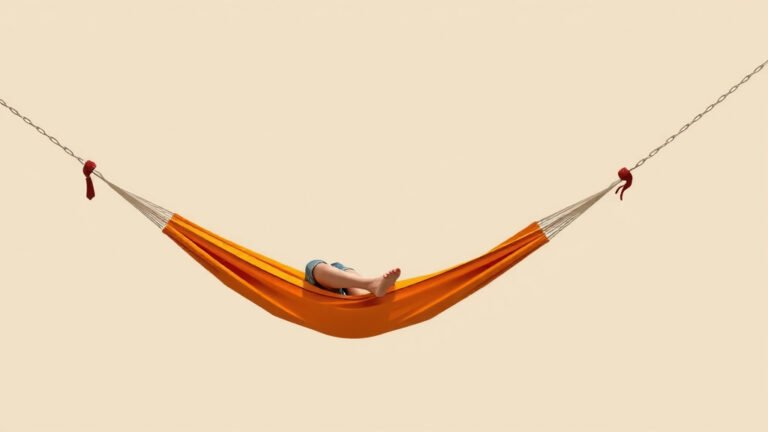

How to Balance a Hammock for Perfect Relaxation
Balancing a hammock is surprisingly simple once you know a few key tricks. The best way to balance your hammock is to adjust the suspension points and ensure your weight is distributed evenly when you get in. Getting this right means you can avoid that dreaded sideways tip and enjoy a peaceful nap. It’s all about finding that sweet spot!
You might think balancing a hammock is tricky, but it’s really about understanding how the fabric works. When you set up your hammock, you want it to have a nice, gentle curve. This curve helps distribute your weight and keeps you stable. We found that a good hang is key to a balanced experience, preventing any awkward wobbles or sudden shifts.
- Find the right anchor points.
- Ensure even weight distribution.
- Adjust suspension for a gentle curve.
- Test before fully relaxing.
Ready to achieve hammock zen? Let’s walk through exactly how to get your hammock perfectly balanced for maximum relaxation.
Achieving Hammock Stability: Your Guide to a Balanced Hang
Getting your hammock to hang just right is key to a truly relaxing experience. You want that perfect balance, a gentle cradle that supports you without tipping you out. It’s not as complicated as it sounds. With a few adjustments to how it’s hung, you can easily achieve a stable, comfortable sway.
The Foundation of a Balanced Hammock: Anchor Points and Suspension
The secret to a balanced hammock starts before you even get into it. It’s all about where you attach it and how taut or loose the suspension is. Think of it like setting up a tightrope walker’s rope – it needs the right tension and support.
Choosing the Right Anchor Points
The first step is selecting sturdy anchor points. These could be trees, posts, or a hammock stand. You want them to be solid and capable of holding your weight plus any movement. Ideally, your anchor points should be about 10 to 15 feet apart. This distance provides the necessary space for a good sag.
Tree Selection and Safety
If you’re using trees, choose mature, healthy ones. Avoid trees with signs of rot or damage. Research and found that trees with a diameter of at least 12 inches are generally a good choice (National Park Service). Make sure the bark is intact where you’ll attach your straps.
Using Hammock Stands
Hammock stands are a fantastic option if you don’t have suitable anchor points. They offer portability and stability. Just ensure the stand is rated for your weight and is set up on level ground. We found that stands often make balancing easier because their width is pre-determined.
Understanding Hammock Sag: The Golden Ratio
Once your anchors are set, the next critical piece is the sag, or the curve, of your hammock. A common guideline, often referred to as the “1:1 ratio” for suspension, is a great starting point. This means for every 10 feet of distance between your anchor points, you should have about 1 foot of sag. The next critical piece is the sag, or the curve, of your hammock.
Calculating Your Sag
For example, if your trees are 12 feet apart, you’re aiming for about 1.2 feet of sag. This might sound imprecise, but it translates to a gentle U-shape when the hammock is empty. Many hammock enthusiasts swear by this ratio for optimal comfort and balance. We found that this creates a deep enough pocket to keep you secure.
Adjusting Suspension for Sag
You’ll adjust the sag by changing the length of your suspension system. Most suspension systems have adjustable buckles or knot systems. If your hammock is too tight (forming an ‘I’ shape with little sag), lengthen your suspension. If it’s too loose (almost touching the ground), shorten it.
| Distance Between Anchors (feet) | Target Sag (feet) | Target Sag (inches) |
|---|---|---|
| 10 | 1 | 12 |
| 12 | 1.2 | 14.4 |
| 15 | 1.5 | 18 |
This table is a handy reference. Remember, these are guidelines, and your personal preference might vary slightly. We found that slight adjustments can make a big difference in how it feels.
Getting In: The Art of Weight Distribution
Even with a perfectly hung hammock, how you enter it is vital for balance. A sudden, off-center movement can tip even the most stable setup. The trick is to distribute your weight smoothly and evenly. Even with a perfectly hung hammock, how you enter it is vital for balance.
The Gentle Approach
Avoid just plopping into your hammock. Instead, face the hammock and place one foot in the center. Gently lean your weight into the hammock as you bring your other foot in. Imagine you’re sitting down on a stable chair. Many experts suggest this gradual entry prevents sudden shifts.
Positioning Your Body
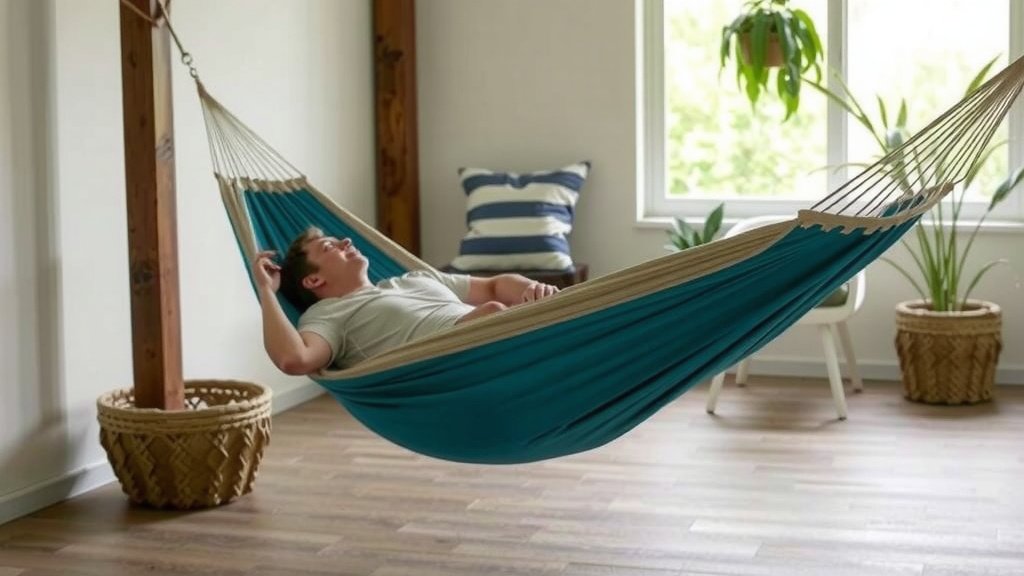
Once you’re in, settle yourself into the deepest part of the hammock’s U-shape. This is usually the center. Lay back slowly, allowing the fabric to envelop you. If you feel it leaning too much to one side, shift your weight subtly towards the center until it feels stable.
Centering Your Weight
Your goal is to have the bulk of your weight directly over the center line of the hammock. If you feel yourself sliding to one side, try adjusting your legs or torso slightly. It’s a natural adjustment most people make without thinking after a few tries.
Testing the Balance
Before you fully relax and close your eyes, give a gentle push or wiggle. Feel how the hammock responds. If it feels stable and the sag is comfortable, you’ve achieved balance. If it feels like it might tip, exit carefully and make small adjustments to the suspension.
Troubleshooting Common Hammock Balance Issues
Sometimes, despite your best efforts, a hammock might still feel a bit off. Don’t worry, these are usually quick fixes.
The Hammock Feels Too Tight or Too Loose
If your hammock is too tight, it will have very little sag and can feel uncomfortable. It might also feel less stable because there’s less fabric to cradle you. Lengthen your suspension straps. If it’s too loose, it might be hard to get into without touching the ground, and it might feel wobbly. Shorten your suspension straps.
The Hammock Tips Sideways When You Enter
This is the most common balance issue. It usually means your anchor points might be too close together, or you’re entering too quickly off to one side. Try adjusting your entry technique to be more centered. If the problem persists, consider slightly wider anchor points or a slightly deeper sag. We found that a deeper sag often provides more lateral stability.
The Hammock Pulls Unevenly on Anchor Points
If one side of your hammock consistently feels tighter or pulls harder, your anchor points might not be at the same height or tension. Ensure both suspension systems are adjusted to create a similar sag. Mismatched tension is a frequent culprit for imbalance. Many hammock users find it helpful to eyeball the sag on both sides and make small adjustments until they look even.
Your Hammock Balance Checklist: Quick Wins
Ready to put this into practice? Here’s a quick checklist to ensure your hammock is perfectly balanced:
- Check Anchor Points: Are they strong, secure, and the right distance apart (10-15 ft)?
- Aim for Sag: Ensure a gentle U-shape, roughly a 1:1 ratio of sag to distance.
- Even Suspension: Make sure both sides have similar sag and tension.
- Test Your Entry: Enter slowly and distribute your weight to the center.
- Gentle Test Swing: Before fully relaxing, test for stability.
- Adjust as Needed: Make small tweaks to suspension for perfect comfort.
Conclusion
Mastering hammock balance is all about setting it up correctly and getting in mindfully. You’ve learned how to select sturdy anchor points, calculate the perfect sag using the 1:1 ratio, and enter your hammock with gentle, even weight. Getting these steps right means you can finally say goodbye to those awkward tipping moments. Now you’re ready to experience true hammock relaxation. Take a moment to set up your hammock using these tips, and drift away into pure comfort!
Frequently Asked Questions
What’s the easiest way to check if my hammock is balanced?
The quickest check is to enter your hammock slowly and centered. Once inside, gently shift your weight. If the hammock feels stable and doesn’t lean drastically to one side, it’s likely well-balanced. You can also visually inspect the sag on both sides before you get in – they should look about the same.
Can I use indoor anchor points for my hammock?
Yes, you can! If you have sturdy ceiling joists or wall studs, these can serve as excellent anchor points for indoor hammock setups. Just ensure they are strong enough to support your weight and the hammock’s dynamic load. We found that using specialized indoor hammock hardware is often the safest bet.
My hammock keeps flipping when I try to lie down. What am I doing wrong?
This usually happens when you enter too quickly or off to one side. Try facing the hammock and placing one foot in the center before gently bringing your other foot in. Distribute your weight gradually and toward the middle. If it still tips, you might need a slightly deeper sag in your hammock.
How do I adjust my hammock if the sag is too much or too little?
Adjusting the sag is done through your suspension system. If there’s too much sag (hammock is too low), shorten the suspension straps or tighten your knots. If there’s too little sag (hammock is too tight), lengthen the suspension straps or loosen your knots. You want a nice, gentle U-shape when it’s empty.
Does the type of hammock material affect its balance?
The material can play a role in how a hammock hangs and feels. Lighter, stretchier materials might require a slightly different sag than very stiff, heavy-duty ones. We found that understanding how your specific hammock fabric behaves is part of the tuning process. A good general sag guideline still applies, but be prepared for minor adjustments.