
Hammock Sleep Benefits: A Better Night’s Rest
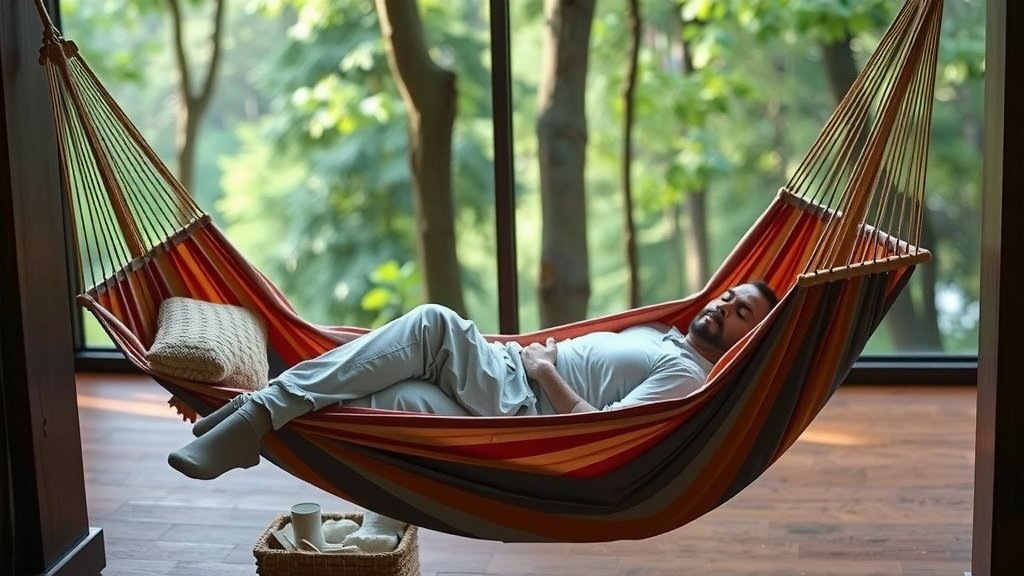
Yes, sleeping in a hammock can offer surprising benefits for your sleep quality. Many people find they fall asleep faster and experience deeper, more restorative rest when napping or sleeping overnight in a hammock.
This unique sleeping method mimics the gentle rocking motion many of us experienced as babies. This soothing sway can help calm your nervous system, making it easier to drift off. Plus, hammocks allow for better air circulation, which can lead to a cooler and more comfortable sleep experience.
TL;DR:
- Hammocks can help you fall asleep faster.
- They promote deeper, more restful sleep.
- The gentle rocking is very calming.
- Better air circulation keeps you cooler.
Ready to discover how a hammock might transform your sleep? Let’s dive into the specific ways this simple outdoor gear can improve your nightly rest.
You might be surprised to learn that sleeping in a hammock can actually be good for you. It’s not just for lazy afternoons in the backyard anymore! Many people find that switching to a hammock for sleep can lead to some pretty amazing improvements in how well they rest. Let’s look at why this simple piece of gear might be the sleep solution you never knew you needed.
Discovering the Advantages of Hammock Sleep
Could a hammock be your new favorite sleep spot? Research and user experiences suggest that hammocks offer unique benefits for sleep quality. They can help you fall asleep faster and wake up feeling more refreshed.
The Calming Effect of Gentle Motion
Have you ever noticed how a gentle sway can be incredibly soothing? Think about how babies are often rocked to sleep. That motion is no accident! Scientific studies suggest that this rhythmic rocking can help quiet your mind and reduce stress.
This calming effect is thought to be related to how our brains respond to regular, predictable movement. It can help trigger a relaxation response in your body. This makes it easier to transition from wakefulness to sleep. It’s like a gentle lullaby for your nervous system.
How the Sway Works for Your Brain
The gentle, side-to-side motion of a hammock can synchronize with your brainwaves. Some research points to this synchronization helping you reach deeper sleep stages more quickly. It’s almost like a biological shortcut to relaxation.
Improved Air Circulation for a Cooler Sleep
If you often wake up feeling too hot, a hammock might be your answer. Unlike a mattress that traps heat, hammocks allow for excellent airflow all around you. This means less chance of overheating during the night.
Think about it: your body can release heat more effectively when it’s not pressed against a solid surface. This natural ventilation helps regulate your body temperature. Keeping cool is essential for uninterrupted, restful sleep. Many users report feeling significantly cooler when sleeping in a hammock, especially in warmer climates.
The Science Behind Better Hammock Rest
It’s not just anecdotal evidence. There are actual scientific reasons why hammocks can lead to better sleep. Let’s break down some of the findings.
Faster Sleep Onset
Many people find they drift off more quickly when sleeping in a hammock. This isn’t just about comfort. The gentle rocking motion we discussed earlier plays a big role. It helps calm the racing thoughts that can keep you awake.
One study found that participants who were rocked in a hammock fell asleep about 8% faster than those on a stationary bed. This small percentage can make a big difference when you’re trying to get a good night’s rest. It means less time spent staring at the ceiling.
Deeper, More Restorative Sleep Stages
Falling asleep faster is great, but what about the quality of that sleep? Research suggests that hammocks might help you spend more time in the deeper stages of sleep. These are the stages where your body repairs itself and your mind consolidizes memories.
This deeper sleep is often referred to as slow-wave sleep. It’s crucial for feeling truly rested and rejuvenated. The consistent, gentle motion is believed to help maintain a stable sleep state, preventing you from waking up too easily during the night. This can lead to feeling more energized and alert the next day.
Reduced Pressure Points and Increased Comfort
Traditional mattresses can create pressure points, especially on your hips and shoulders. This can lead to discomfort and tossing and turning. A hammock, on the other hand, conforms to your body. It distributes your weight more evenly.
This even weight distribution reduces strain on your joints and muscles. It can be especially beneficial for people who experience back pain or joint discomfort. Imagine feeling supported all over, without any one spot feeling the pinch. That’s the kind of comfort a hammock can offer.
Who Can Benefit Most from Hammock Sleeping?
While many people can enjoy the benefits, certain groups might find hammocks particularly helpful. It’s worth considering if any of these sound like you.
People with Insomnia or Sleep Onset Issues
If you frequently lie awake for long periods before falling asleep, the calming motion of a hammock could be a game-changer. The way it encourages relaxation can help break the cycle of wakefulness.
Those Who Sleep Hot
As mentioned, the superior air circulation is a major plus. If you’re constantly kicking off blankets or running a fan, a hammock offers a natural way to stay cooler at night.
Travelers and Campers
For those on the go, a portable hammock is an excellent sleep solution. It’s lightweight, easy to set up, and provides a consistent sleep environment wherever you go. This can be a lifesaver when sleeping in unfamiliar places.
Individuals Experiencing Mild Discomfort
While not a medical device, the pressure-relieving nature of a hammock can offer comfort for those with minor aches and pains. It can be a more gentle sleeping surface compared to some mattresses.
Making the Switch: Tips for Hammock Sleepers
Ready to give it a try? Here are a few things to keep in mind to make your hammock sleeping experience a success. Getting the right setup is key!
- Choose the right type of hammock for sleeping. Spreader bar hammocks can be unstable; gathered-end hammocks are generally better for sleeping.
- Find the correct hanging angle. A common recommendation is a 30-degree angle from the horizontal. This allows you to lie flatter.
- Use a sleeping pad or underquilt if sleeping in cooler temperatures. Hammocks can have a “cold butt effect” from air circulating underneath. If sleeping in cooler temperatures, use a sleeping pad or underquilt to avoid the “cold butt effect.”.
- Experiment with your position. You can often sleep diagonally across the hammock to lie flatter.
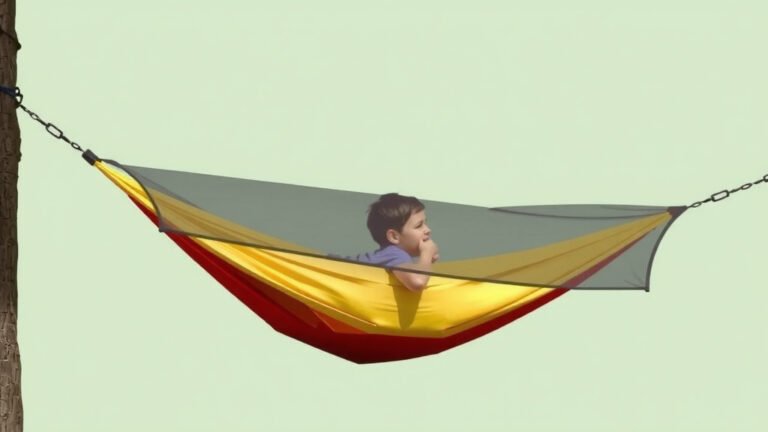
- Consider a bug net and rain tarp if you plan to sleep outdoors regularly.
Conclusion
You’ve seen how sleeping in a hammock offers a unique path to better rest. The gentle rocking can quiet your mind and deepen your sleep stages. Better airflow keeps you cooler, leading to more uninterrupted nights. Hammocks reduce pressure points for enhanced comfort, especially if you struggle with certain aches. If you’re looking for a refreshing change to your sleep routine, consider giving a hammock a try. Your body and mind might thank you for this simple, soothing switch.
Frequently Asked Questions
Can sleeping in a hammock really help with insomnia?
Yes, research suggests the gentle rocking motion of a hammock can be very calming. This soothing sway can help ease a racing mind and make it easier to transition into sleep. For those who struggle with falling asleep, it can be a helpful tool.
Will I feel too cold sleeping in a hammock?
You might feel cooler due to excellent air circulation, which is a benefit for many. However, if you sleep in cooler temperatures, air can circulate underneath you, leading to a “cold butt effect.” Using a sleeping pad or underquilt can easily solve this.
Is it hard to get used to sleeping in a hammock?
Adjusting to any new sleep surface takes a little time. Many find the comfort and gentle motion appealing right away. Experimenting with your position, like sleeping diagonally, can help you find the most comfortable way to lie flat.
Are hammocks safe for sleeping all night?
When set up correctly with sturdy suspension, hammocks are very safe for all-night sleep. Ensure your hammock is rated for the weight you need and that it’s securely anchored. Using quality suspension systems is key for your peace of mind.
What kind of hammock is best for sleeping?
Gathered-end hammocks are generally recommended for sleeping over spreader bar hammocks. Gathered-end hammocks conform more closely to your body, offering a more stable and comfortable sleeping surface. They also tend to cradle you better.