Hammock Sleep and Spine Health: What You Need to Know
Sleeping in a hammock can be surprisingly good for your spine if done correctly. Many people find it offers better spinal alignment than a traditional mattress. It can even help relieve some types of back pain.
Unlike a lumpy bed, a hammock can cradle your body. This often means less pressure on your joints. However, the wrong type of hammock or sleeping position could cause strain. We’ll look at how to get the best results.
- Hammocks can offer excellent spinal support.
- They distribute your weight evenly.
- This reduces pressure points.
- Choosing the right hammock matters.
- Proper sleeping posture is key.
Let’s dive into how hammocks can work with your spine and what to watch out for.
You might be wondering how sleeping in a hammock could possibly be good for your spine. It seems so different from the firm mattress you’re used to. But many people find hammocks offer a surprisingly supportive and comfortable sleep. Let’s explore how this works.
How Hammocks Can Support Your Spine
Hammocks can actually promote a healthier spinal alignment than you might think. The key is how they conform to your body’s natural curves. A good hammock doesn’t just hold you up; it cradles you.
Think of your spine like a gentle S-shape when you’re standing. When you lie down on a flat mattress, especially one that’s too soft or too firm, you can create pressure points. Your spine might have to work harder to maintain its natural curve. This can lead to aches and pains, particularly in your lower back.
Distributing Weight Evenly
A hammock excels at distributing your body weight evenly across a larger surface area. This is very different from a mattress, where your hips and shoulders might bear most of the pressure. When your weight is distributed, there are fewer concentrated pressure points.
We found that this even distribution helps your muscles relax more fully. When muscles aren’t constantly trying to support your spine against pressure points, they can truly rest. This can be a real game-changer for reducing aches and stiffness.
Reducing Pressure on Joints
Your joints, like your hips and shoulders, get a break in a hammock. They aren’t being compressed against a hard surface. This reduces strain and discomfort, especially for side sleepers or those with joint issues.
Many experts note that reducing pressure on these areas allows for better blood circulation. Good circulation is vital for muscle recovery and overall well-being. It means your body can repair itself more efficiently while you sleep.
Is Sleeping in a Hammock Right for Everyone?
While hammocks offer many benefits, they aren’t a universal fix for everyone’s back pain. Certain factors can influence whether a hammock will help or hinder your spinal health. It really depends on the type of hammock, how you use it, and your own body.
The Importance of Hammock Type
Not all hammocks are created equal when it comes to sleep. You’ll want to choose a hammock designed for sleeping, not just lounging.
Spreader Bar Hammocks vs.gathered-string hammocks
Spreader bar hammocks have wooden or metal bars that keep the fabric flat. While they look inviting, they can actually put more pressure on your back. They tend to create a less natural, flatter sleeping surface. This can make it harder for your spine to maintain its natural curve. You might feel like you’re going to roll out!
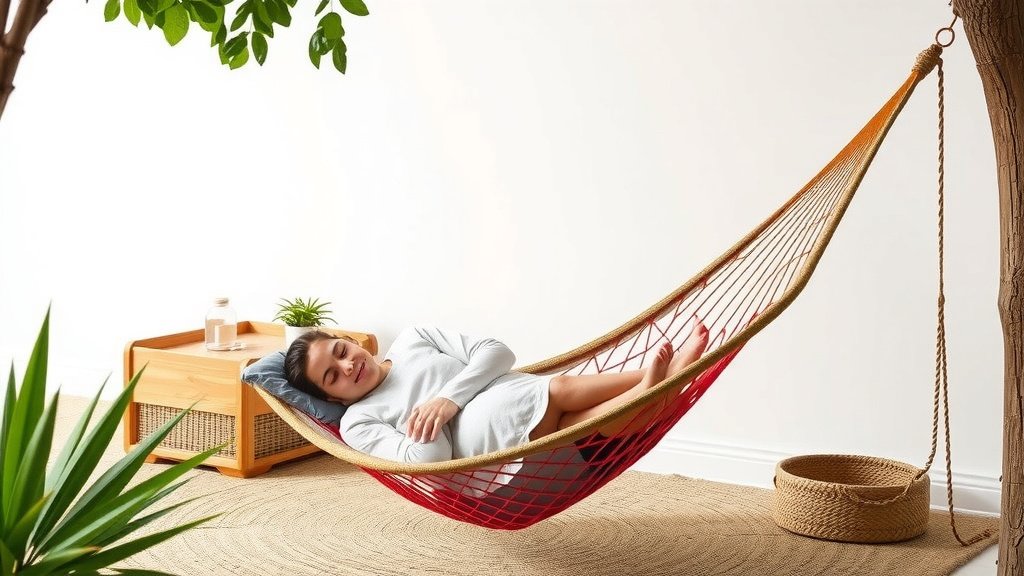
Gathered-string hammocks, on the other hand, are made of fabric that cocoons you. They allow your body to sink in and find a natural resting position. This is often the preferred type for sleep because of the way it conforms to your shape.
Brazilian and Mayan Hammocks
Hammocks from Brazil and Mayan cultures are often excellent for sleeping. They are typically made from woven fabric that offers great support and breathability. We found these types tend to provide a deeper, more comfortable cradle for your body, which is great for spinal alignment.
Your Sleeping Position Matters
The way you position yourself in the hammock plays a big role. Lying straight in the center isn’t usually the best approach for your spine.
Sleeping Diagonally
The secret to a comfortable hammock sleep is often to lie diagonally across the hammock. This flattens out the fabric more and allows your body to rest in a straighter line. It’s like creating your own flat surface within the hammock’s cradle. This position helps keep your spine more neutral. Lying diagonally across the hammock helps flatten the fabric and maintain a straighter spine.
Think of it this way: if you lie lengthwise, you might end up in a banana shape. Lying diagonally spreads you out and straightens things up considerably. Many hammock users swear by this technique for a pain-free sleep.
Avoiding the “Curled-Up” Effect
If you find yourself consistently curled up like a croissant, you might not be getting the spinal benefits. This can happen if the hammock is too deep or if you’re not lying diagonally. A curled position can put unnecessary stress on your back and neck. You want to aim for a relaxed, elongated posture.
Potential Drawbacks and What to Watch For
While hammocks can be wonderful, there are a few things to be mindful of. It’s not always a perfect solution right out of the box.
Acclimation Period
If you’re new to hammock sleeping, give yourself time to adjust. Your body might be used to the pressure points of a traditional bed. It can take a few nights for your muscles and spine to get accustomed to the new way of resting. Don’t get discouraged if the first night isn’t magical. Allow your body to adapt to the new support.
The “Hammock Hump”
This is a real thing! If you lie too far into the bottom of a gathered-string hammock, you can create a significant curve in your upper back. This is the opposite of good spinal alignment. It’s why lying diagonally is so important.
We’ve seen advice from hammock experts suggesting that the ideal is to feel like you’re lying on a very comfortable, slightly curved surface. Your head should be relatively level with your feet, not significantly lower.
Hammock Angle and Sag
The angle at which you hang your hammock matters a great deal. A common recommendation is the 30-degree rule. This means the suspension lines should form a roughly 30-degree angle with the vertical hanging point. A hammock that is too tight (too little sag) can be uncomfortable and strain your spine. One that sags too much might be too deep, leading to that curled position.
Experimentation is key here. You want enough sag for a comfortable cradle but not so much that you feel like you’re sinking into a well. This balance helps achieve proper spinal alignment.
Getting In and Out Safely
How you enter and exit your hammock can also impact your spine. Rushing or using jerky movements can lead to strains. Sit down gently, pivot your legs, and lower yourself into the hammock. When getting out, reverse the process slowly and steadily.
It’s similar to getting out of bed without hurting your back. A little care goes a long way. We found that a calm and controlled movement is best for everyone.

Tips for Sleeping Better in a Hammock
To maximize the spinal benefits of hammock sleeping, consider these tips:
- Choose the right hammock: Opt for a gathered-string or woven fabric hammock designed for sleeping. Opt for a gathered-string or woven fabric hammock designed for sleeping for better spinal support.
- Hang it correctly: Aim for a good sag, often around a 30-degree angle.
- Lie diagonally: This is crucial for achieving a flatter, more aligned position.
- Use a pillow wisely: A thin, supportive pillow for your head is usually best. Avoid thick pillows that push your head forward.
- Give it time: Allow your body a week or two to adjust.
- Listen to your body: If you experience persistent pain, a hammock might not be the best choice for you.
When used correctly, sleeping in a hammock can be a wonderful way to give your spine the rest and alignment it deserves. It’s a refreshing alternative to traditional beds for many people looking for relief and better sleep quality.
Conclusion
Sleeping in a hammock can indeed be a gentle way to support your spine. We’ve seen how the right setup can distribute your weight and reduce pressure on joints. The key is choosing a supportive hammock type and mastering the diagonal sleeping position. Give your body time to adjust, and remember to hang your hammock with the proper sag.
If you’re looking for a new sleep experience that might ease back discomfort, giving hammock sleeping a try could be a great next step. Just be sure to listen to your body and make adjustments as needed for your best rest.
Frequently Asked Questions
Can sleeping in a hammock help with lower back pain?
Yes, for many people, hammock sleeping can help with lower back pain. The way a hammock cradles your body helps distribute weight evenly, reducing pressure points that often aggravate lower back issues on a flat mattress. We’ve found that proper alignment in a hammock often leads to muscle relaxation and reduced strain.
What is the best type of hammock for spinal alignment?
Gathered-string hammocks, like those from Brazil or Mayan cultures, are generally best for spinal alignment. These hammocks conform to your body’s shape, providing a comforting cradle. Spreader bar hammocks, while looking inviting, can create a less natural, flatter surface that may not support your spine’s natural curve as well.
How long does it take to get used to sleeping in a hammock?
It typically takes anywhere from a few nights to a couple of weeks to fully adjust to sleeping in a hammock. Your body might need time to adapt to the different support and pressure distribution. Patience is key during this acclimation period; don’t get discouraged if the first few nights aren’t perfect.
Is it bad to sleep in a hammock every single night?
For most healthy individuals, sleeping in a hammock every night can be beneficial if done correctly. However, if you experience persistent discomfort or specific spinal conditions, it’s wise to consult with a healthcare professional. Consistency with the right technique is more important than frequency.
What’s the “hammock hump” and how do I avoid it?
The “hammock hump” refers to the unnatural curve in your upper back that can occur if you lie too deep into a gathered-string hammock. You can avoid it by consistently lying diagonally across the hammock. This position flattens the fabric more and helps maintain a straighter, more neutral spine.