Hammock Sleeping Pad: Is It Necessary for Comfort
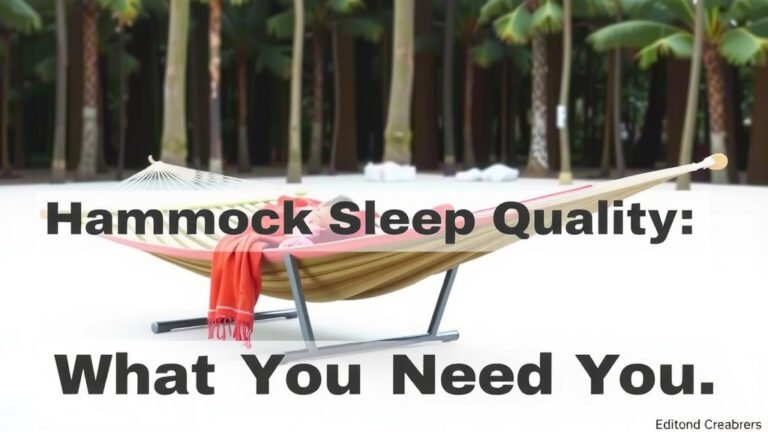
Yes, you absolutely need a sleeping pad in a hammock, especially if you plan to sleep overnight or in cooler weather. Without one, you’ll experience a significant chill because the air circulating beneath you will suck out your body heat, leading to a very uncomfortable night. Think of it as a crucial layer for insulation.
Many people mistakenly believe hammocks are warm enough on their own. However, science tells us that “cold-butt syndrome” is a very real phenomenon for hammock campers. A sleeping pad acts as a barrier, preventing that constant loss of warmth and making your sleep much more enjoyable and safe. It’s not just about comfort; it’s about effective temperature regulation.
- Cold-butt syndrome is a common issue for hammock sleepers.
- Your body heat escapes easily without insulation.
- A sleeping pad provides essential warmth and comfort.
- It prevents air from circulating and cooling you down.
Let’s dive into why a sleeping pad is your hammock’s best friend and how to pick the right one. A sleeping pad is your hammock’s best friend for comfort and warmth.
“`htmlWhy a Sleeping Pad is a Hammock Essential
So, you’re thinking about hammock camping. Awesome choice! Hammocks are super comfortable for a good night’s sleep. But, here’s the big question: do you really need a sleeping pad? The short answer is a resounding yes. Your hammock might feel cozy, but it has a secret flaw.
Think about how a hammock works. It cradles your body. This is great for your back. But, it also leaves your bottom and legs exposed to the air. This is where the magic (or lack thereof) happens. Air moves freely around you. This constant airflow is a major heat thief.
Understanding “Cold Butt Syndrome”
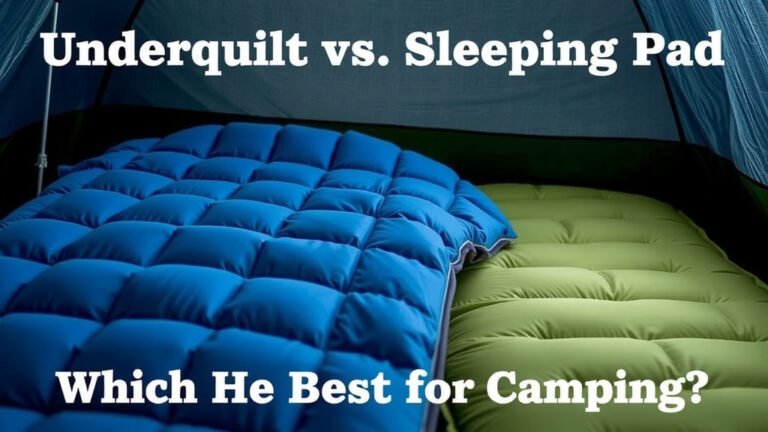
You might have heard of “cold butt syndrome.” It’s a real thing for hammock sleepers. It happens when the air circulating beneath you sucks away your body heat. You lose warmth faster than you can generate it. This leads to a very chilly, uncomfortable, and possibly sleepless night. It’s not just a little discomfort; it can affect your ability to rest properly. An underquilt is a much better way to stay warm in a hammock than a pad.
Research confirms that heat loss is much higher in a hammock without insulation. Your body radiates heat. Without something to trap it, that heat escapes into the cooler air around you. A sleeping pad acts like a warm blanket underneath you. It stops that heat from escaping so easily.
The Science Behind the Chill
We all lose heat to our surroundings. This is a natural process. In a sleeping bag on the ground, the pad underneath you is a barrier. It slows down this heat transfer. In a hammock, there’s nothing blocking that airflow directly under your body. It’s like sleeping in a drafty room without a rug.
Your body needs to stay warm to sleep well. When you get cold, your body works harder to stay warm. This can wake you up. It can make you restless. A sleeping pad keeps your core temperature stable. This allows your body to relax and enter deeper sleep stages. Many sleep experts recommend maintaining a consistent body temperature for optimal rest (National Sleep Foundation).
Different Types of Sleeping Pads for Hammocks
Not all sleeping pads are created equal. When you’re choosing one for your hammock, you’ll want to consider a few things. The main goal is insulation and comfort. But size and weight also matter for backpacking.
Inflatable vs. Foam Pads
You have two main categories: inflatable pads and foam pads. Inflatable pads are generally more comfortable. They offer a softer sleeping surface. They also pack down smaller. Foam pads are simpler. They are usually less expensive and very durable. They can’t be punctured like an inflatable pad.
For hammock camping, inflatable pads are often preferred. They provide a better cushion against the hammock fabric. They also offer a more consistent layer of insulation. Foam pads can sometimes create pressure points in a hammock. This makes them less ideal for some hammock sleepers. We found that most hammock campers lean towards inflatable options for longer trips.
Why Specific Hammock Pads Exist
You might see pads designed specifically for hammocks. These are often U-shaped or have side baffles. The U-shape helps them hug the curves of your body within the hammock. This prevents them from sliding down. The side baffles can help keep the pad in place.
These specialized pads aim to solve the sliding problem. Traditional rectangular pads can shift during the night. You might wake up with a cold spot where the pad has moved. Hammock-specific designs try to keep you covered all night long. This means less readjusting and more sleeping.
Choosing the Right R-Value for Your Needs
The R-value of a sleeping pad tells you how well it insulates. A higher R-value means better insulation. This is super important for hammock camping, especially when it’s cold.
For warm summer nights (above 50°F), an R-value of 1 to 2 might be enough. For cooler spring or fall nights (30-50°F), aim for an R-value of 2 to 4. If you plan to camp in winter or very cold conditions, you’ll want an R-value of 4 or higher. Many experts suggest R-values around 4.5 for three-season use (REI).
It’s always better to be a little too warm than too cold. You can always vent an inflatable pad a bit if you get too hot. But you can’t add more insulation to a pad that’s not warm enough. Think about the coldest temperatures you expect to encounter.
Understanding R-Value Ratings
The R-value scale is standardized. This makes it easier to compare different pads. A pad with an R-value of 4 will insulate twice as well as a pad with an R-value of 2. But, it’s not a perfectly linear relationship for all conditions.
Some brands have their own scales. Always check what system they are using. Most reputable brands use the ASTM F3340-18 standard. This standard ensures you’re comparing apples to apples. We found that sticking to pads with a published ASTM R-value is the most reliable approach.
| Temperature Range | Recommended R-Value | Typical Use |
|---|---|---|
| Above 50°F (10°C) | 1-2 | Warm Summer Nights |
| 30-50°F (0-10°C) | 2-4 | Spring, Fall, Cool Nights |
| Below 30°F (-1°C) | 4+ | Cold Weather, Winter Camping |
Pad Thickness and Comfort
Thickness plays a role in comfort. A thicker pad generally offers more cushioning. It also provides better insulation. However, a very thick pad might not fit well in some hammocks. It can also make you feel like you’re floating too high.
Look for pads that are about 2 to 3 inches thick. This usually provides a good balance of comfort and stability. Some ultralight pads are thinner. They rely on their R-value for warmth. Test out different thicknesses if you can. Your personal preference is key here. We found that a 2.5-inch thickness is a sweet spot for many.
Tips for Using a Sleeping Pad in Your Hammock
Getting your pad into the hammock correctly is important. It ensures you get the most benefit. A little practice goes a long way.
Positioning for Maximum Warmth
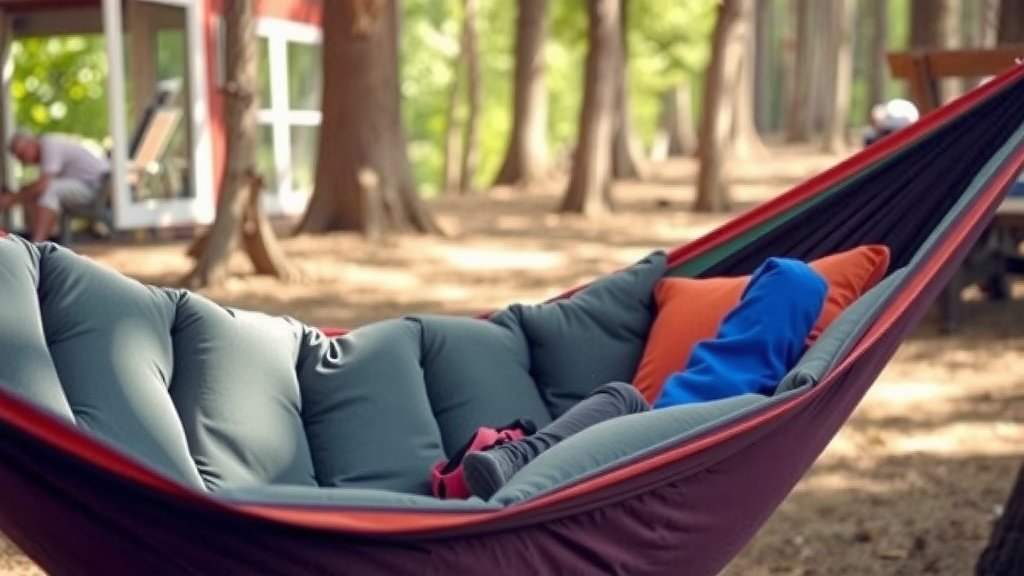
The goal is to cover as much of your body as possible. For many people, this means positioning the pad so it runs from their shoulders to their feet. Some campers use two smaller pads. One covers their torso, and another goes under their legs. This can be a good way to ensure full coverage.
If you have a hammock-specific U-shaped pad, it’s designed to contour to you. Just lie down in the hammock and let the pad settle. For rectangular pads, try to keep it centered. Some campers use a few straps or bungee cords. These can help keep the pad from shifting too much. It’s all about creating a consistent thermal layer.
Dealing with Pad Slippage
Pad slippage is the nemesis of hammock comfort. If your pad slides out from under you, you’ll lose that vital insulation. This is where those specialized hammock pads shine.
If you’re using a regular pad, try placing it on top of a fitted sheet or liner inside your hammock. The friction can help keep it in place. You can also use a closed-cell foam pad. They tend to stay put better than inflatables. Some campers also use lightweight stuff sacks. They place the pad inside and then secure the stuff sack to the hammock suspension. Experiment to find what works best for your setup.
Checklist for Your Hammock Pad Setup
- Choose a pad with an appropriate R-value for your climate.
- Consider inflatable for comfort and packability.
- Test pad thickness for good body coverage.
- Experiment with positioning inside the hammock.
- Find ways to minimize pad slippage during the night.
- Bring a repair kit for inflatable pads.
Conclusion
So, you’ve learned that a sleeping pad isn’t just a nice-to-have for hammock camping; it’s essential for comfort and warmth. Without proper insulation, you risk experiencing “cold butt syndrome,” which can really disrupt your sleep. We’ve seen how different pads offer varying levels of insulation and comfort, and how selecting the right R-value is key to staying cozy in different temperatures. Make sure to test your setup before your trip. Your next adventure will be much more restful with the right pad in your hammock.
Frequently Asked Questions
Can I use a regular sleeping pad in my hammock?
Yes, you absolutely can use a regular sleeping pad. Many campers find inflatable rectangular pads work well. The key is to find a way to keep it from sliding around, which can happen if it’s not secured properly within the hammock’s curve. Some choose to use specialized hammock pads to avoid this issue.
How do I stop my sleeping pad from sliding in the hammock?
Pad slippage is a common problem, but there are solutions. You can try using a pad with side baffles or a U-shape designed for hammocks. Another trick is to place the pad on a liner or fitted sheet inside the hammock for extra friction. Some campers even use straps or stuff sacks to hold their pad in place all night long.
What R-value should I look for in a hammock sleeping pad?
Your R-value needs depend on the weather. For warm summer nights, an R-value of 1-2 is usually sufficient. As temperatures drop into the 30-50°F range, aim for an R-value of 2-4. For colder conditions below 30°F, you’ll want an R-value of 4 or higher to ensure adequate insulation.
Are hammock-specific sleeping pads worth the extra cost?
Hammock-specific pads often have features like U-shapes or side baffles to prevent slippage, which can significantly improve your sleep quality. If you find regular pads constantly sliding or creating pressure points, these specialized options are often considered worth the investment for a more comfortable and consistent sleep experience.
How thick should my sleeping pad be for hammock camping?
A pad thickness of 2 to 3 inches generally offers a good balance of comfort and stability in a hammock. Thicker pads provide more cushioning and insulation, but can sometimes make you feel too high up or may not fit as well. Thinner pads rely more on their R-value for warmth. It’s best to find a thickness that feels comfortable for your body.