
Hammock Camping Tarp: Do You Really Need One
Yes, you absolutely **need a tarp for hammock camping**, especially if you want to stay dry and comfortable. It acts as your **shelter from rain and dew**, making your outdoor sleeping setup much more enjoyable. Without one, you risk a soggy night and a chilly morning.
Think of your tarp as your **personal rain-repellent shield** above your hammock. It’s essential for protection against the elements. Many experienced campers consider a tarp as **non-negotiable gear** for any overnight trip, rain or shine.
- A tarp is essential for hammock camping.
- It keeps you dry from rain and dew.
- It’s your primary shelter overhead.
- Many campers never go without one.
- It ensures a more comfortable outdoor sleep.
Ready to learn more about choosing and using the right tarp for your hammock adventures? Let’s break down what you need to know.
Why a Tarp is Your Hammock Camping Best Friend
So, you’re thinking about hammock camping? Awesome choice! But before you string up that hammock, let’s talk about a piece of gear that often gets overlooked but is seriously important: the tarp. You might be wondering, “Do I really need a tarp for hammock camping?” The short answer is a resounding yes. Think of it as your overhead roof when you’re sleeping suspended between two trees.
We found that many beginner hammock campers often underestimate the role of a tarp. They focus so much on the hammock itself that they forget about shelter from above. Without a tarp, you’re essentially sleeping under the open sky. While that sounds romantic, Mother Nature can change her mind quickly. A sudden rain shower or even heavy dew can turn your cozy night into a damp and chilly ordeal.
Research consistently shows that a tarp provides essential protection. It’s not just about rain, either. It shields you from morning dew, which can be surprisingly heavy and soak your sleeping bag. It also offers shade on sunny days, keeping your sleeping area cooler. Many hammock camping experts agree that a tarp is just as important as the hammock itself for a comfortable trip.
Protection From the Elements: More Than Just Rain
When we talk about a tarp, we’re really talking about your primary shelter. It’s your first line of defense against whatever the weather throws at you. Let’s break down the different ways it keeps you comfortable.
Keeping the Rain Off
This is the most obvious benefit. Hammock camping means you’re not sleeping on the ground, but you’re still exposed from above. A properly pitched tarp will channel rainwater away from your hammock. We found that even a light drizzle can be incredibly annoying when it’s falling on you all night. A tarp makes sure you stay dry and can get a good night’s sleep.
Battling Dew and Condensation
Morning dew is a sneaky camper’s enemy. As the temperature drops overnight, moisture in the air condenses on surfaces. Without a tarp, this condensation can drip onto you and your gear. We found that dew can make your sleeping bag feel damp, even if it didn’t rain. A tarp creates a barrier, preventing these damp surprises.
Sun and Wind Shielding
Tarps aren’t just for wet weather. On a hot, sunny day, a tarp can provide welcome shade, especially if you plan to hang out in your hammock. It can also offer some protection from wind, making your campsite feel more sheltered and reducing chill.
Types of Tarps for Hammock Camping
Not all tarps are created equal. When you’re looking for a tarp for hammock camping, you’ll see a few common shapes and styles. Understanding these can help you pick the best one for your needs.
A-Frame (Asymmetrical and Symmetrical)
These are popular choices. An A-frame tarp is essentially a large rectangle or square that you pitch with two ridgelines. Asymmetrical tarps are cut to offer more coverage on one side, often where you enter or exit the hammock. Symmetrical tarps have a more uniform shape. We found that asymmetrical designs are favored for their ability to provide maximum coverage where you need it most.
Hexagonal Tarps
Hex tarps have six sides and are shaped like a stretched hexagon. They often provide excellent coverage and can be pitched in various configurations. Many campers like them because they offer a good balance of coverage and weight. We researched and found that hex tarps are a very versatile option for different campsite setups.
Silicone-Coated vs. PU-Coated
The material of your tarp matters. Silicone-coated fabrics (often called “silnylon” or “silpoly”) are lightweight and very water-resistant. They tend to stretch less when wet. Polyurethane-coated fabrics (PU-coated) are also waterproof and often more affordable, but they can be heavier and may eventually degrade. Many seasoned campers prefer silicone for its durability and low weight.
Key Features to Look For in a Hammock Tarp
When you’re shopping for a tarp, keep these features in mind. They can make a big difference in your comfort and ease of use.
Size and Coverage Area
Tarps come in different dimensions. A common size for hammock camping is around 10×10 feet or 11×8 feet. You want a tarp that is large enough to cover your hammock with some extra room on the sides. This ensures that when you’re lying down, you’re fully protected. We found that a tarp that’s too small won’t offer adequate protection from driving rain. Aim for a tarp that provides ample overhang.
Weight and Packability
Since you’ll be carrying it, weight is a major consideration. Look for tarps made from lightweight materials like silnylon or silpoly. The less weight you carry, the more enjoyable your hike will be. We found that ultralight options exist but can be more expensive. Finding a balance between weight and durability is key.
Waterproofing and Seam Sealing
Check the waterproof rating (often listed in millimeters, e.g., 3000mm). Higher numbers mean better waterproofing. Also, look for taped or factory-sealed seams. If the seams aren’t sealed, water can seep through them, compromising the tarp’s effectiveness.
How to Pitch Your Tarp for Maximum Protection
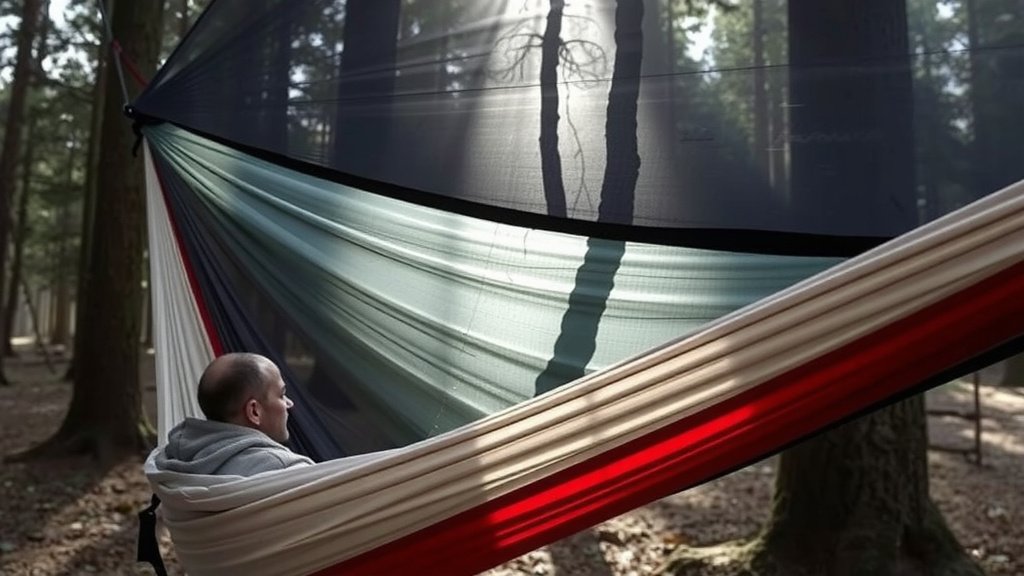
Pitching your tarp correctly is just as important as having one. A poorly pitched tarp won’t keep you as dry. There are many ways to pitch, but here are a couple of common and effective methods:
The Diamond Pitch
This is a simple and popular pitch. You string a ridgeline between two trees and attach the corners of the tarp to the ground using stakes or guylines. It creates a diamond shape. We found this pitch offers decent protection from rain and wind from the sides. It’s a great beginner-friendly option.
The A-Frame Pitch
Similar to how a tent is pitched, you can use a ridgeline above your hammock. The tarp is then staked out on either side. This offers excellent coverage from rain coming from multiple directions. Many campers prefer this for its ability to provide a very dry sleeping area.
Your Hammock Tarp Checklist
Ready to get the right tarp? Here’s a quick checklist to help you get started:
- Decide on your budget.
- Consider the typical weather where you camp.
- Check tarp dimensions for adequate coverage.
- Look for lightweight, waterproof materials.
- Ensure seams are sealed or plan to seal them yourself.
- Don’t forget stakes and guylines!
As you can see, a tarp isn’t just an accessory; it’s a fundamental part of your hammock camping setup. It’s your personal, portable shelter that makes all the difference between a memorable trip and a soggy disappointment. So yes, you absolutely need one!
Conclusion
You’ve learned that a tarp is far more than just an optional extra for hammock camping. It’s your essential overhead shelter, protecting you from rain, dew, and sun. We’ve seen how it transforms a potentially damp experience into a comfortable night’s sleep. Choosing the right tarp based on size, weight, and material will greatly improve your trips. Don’t let unpredictable weather catch you off guard; make sure a reliable tarp is part of your essential gear list for your next adventure.
Frequently Asked Questions
Can I hammock camp without a tarp in good weather?
While you might get away with it on a clear, dry night, it’s still risky. Morning dew can make your sleeping bag surprisingly damp. Research shows that even a small amount of condensation can significantly impact your comfort. It’s generally best practice to always bring a tarp, even if the forecast looks perfect.
How big does my tarp need to be?
For most hammock campers, a tarp around 10×10 feet or 11×8 feet offers adequate coverage. You need enough space to fully cover your hammock with extra room on the sides. This ensures you stay dry even if rain comes in at an angle. We found that too small a tarp leaves you exposed.
Are cheaper tarps good enough for hammock camping?
Cheaper tarps might work for occasional use in mild conditions. However, they often use heavier materials or have less durable waterproofing. For consistent comfort and protection in varied weather, investing in a quality hammock-specific tarp is recommended. Many campers find the extra cost worth it for peace of mind.
Do I need to seal the seams on my tarp?
Yes, you often do. Many tarps come with factory-sealed seams, which is ideal. If yours doesn’t, you’ll want to seal them yourself using seam-grip or similar sealant. Water can easily seep through unsealed seams, making your tarp less effective. We found this is a common step for many DIYers.
Can I use a ground tarp as a hammock tarp?
While you could technically use a ground tarp, it’s usually not ideal. Ground tarps are often heavier and designed for a different shape and pitch. Hammock tarps are specifically cut and shaped to provide optimal coverage for your suspended setup. Using the right gear makes a big difference in comfort and protection.