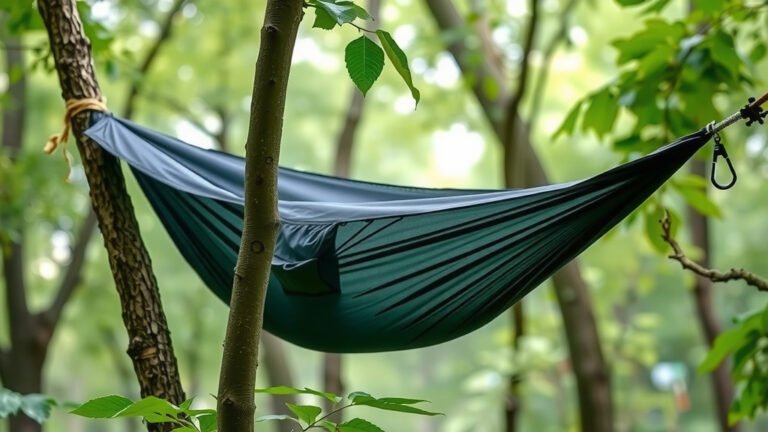
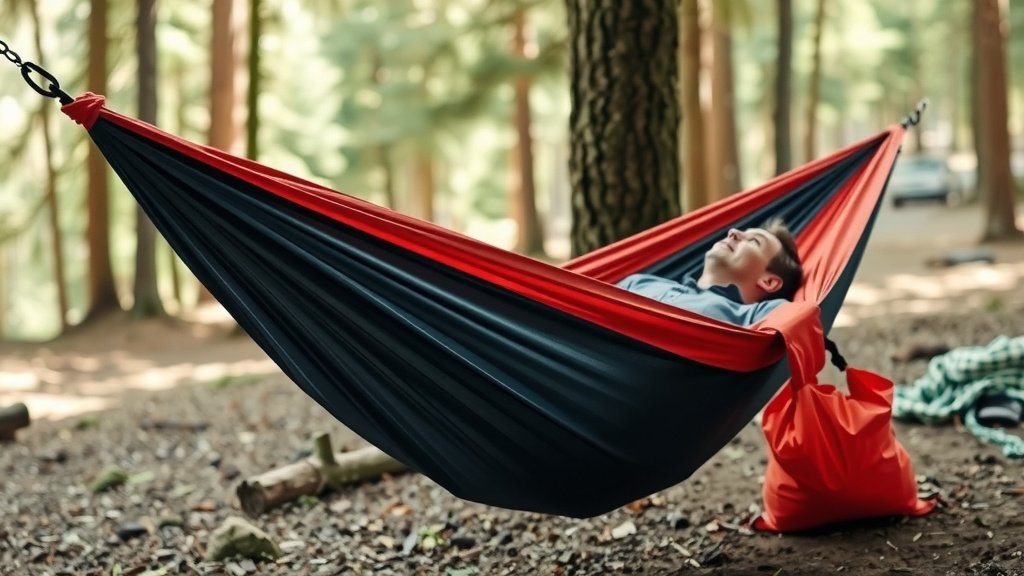
Where to Set Up Your Camping Hammock For Maximum Comfort
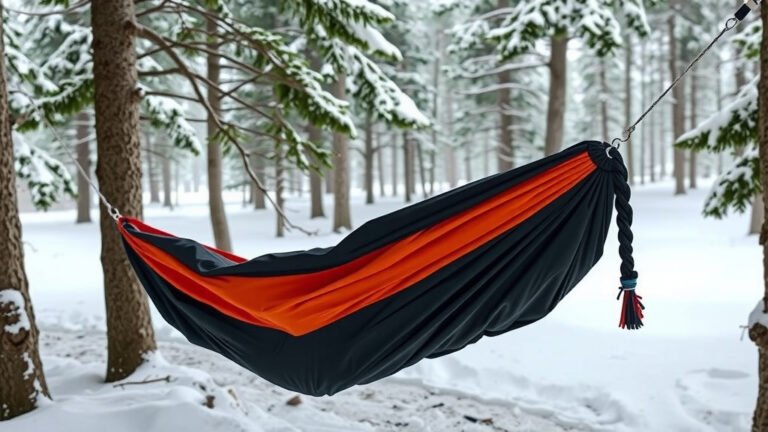
Setting up your camping hammock successfully means finding the right trees. You need two sturdy trees that are about 10 to 15 feet apart. This spacing ensures your hammock hangs at a comfortable angle for relaxing. Don’t worry if the trees aren’t perfectly spaced; a little adjustment goes a long way.
Choosing your spot is about more than just trees. You’ll want to consider the view and protection from the elements. Think about wind direction and where the sun will be throughout the day. Being comfortable is the whole point, right? So pick a spot that feels right for you and your hammock setup.
- Find two strong trees, 10-15 feet apart.
- Check for sturdy branches or potential hazards.
- Consider wind direction and sun exposure.
- Look for a relatively flat area for your gear.
- Think about the overall ambiance you want.
Ready to find that perfect spot? Let’s walk through the best places to set up your camping hammock and why they work so well.
Choosing the Perfect Hammock Campsite
Finding the right spot is half the fun of hammock camping. You want a place that’s both practical and beautiful. It should feel safe, comfortable, and maybe even a little bit magical. Let’s figure out where your hammock will be happiest.
Assessing Your Tree Stand
Trees are your best friends when it comes to hammock camping. You need two of them, standing tall and proud. Think of them as your personal suspension system. They need to be strong enough to hold your weight plus the hammock.
Tree Strength and Health
How do you know if a tree is strong enough? Look for mature, healthy trees. Avoid anything that looks sick or damaged. You want to steer clear of trees with dead branches that could fall. Also, watch out for trees with soft bark or signs of disease. Many experts suggest hardwoods like oak or maple are excellent choices. Softwoods can sometimes be less reliable.
Tree Spacing Guidelines
We mentioned 10 to 15 feet apart in the intro, and that’s a good general rule. Too close, and your hammock will be too tight. Too far, and you’ll have a saggy, uncomfortable setup. You might need to adjust your straps to get that sweet spot. It’s all about achieving a gentle curve.
Avoiding Ground Hazards
Once you’ve picked your trees, glance at the ground. Is it a rocky mess? Are there lots of roots sticking up? You don’t want to be tripping in the dark. A relatively flat area is ideal for setting up your gear. It makes everything much easier.
Navigating Wind and Weather
The elements can make or break your hammock experience. Thinking about the weather before you hang is super important. You don’t want to wake up in a gale.
Understanding Wind Patterns
Wind can be a gentle breeze or a powerful force. Try to observe the wind direction when you arrive. You can often see leaves rustling or feel it on your skin. Setting up your hammock so it’s sheltered from the worst of the wind is a smart move. Natural windbreaks like thick bushes or rock formations can help.
Sun Exposure Considerations
Are you a morning person who loves to greet the sun? Or do you prefer to sleep in a bit? Position your hammock accordingly. If you want to wake up with the sun, face the opening towards the east. If you like sleeping in, find a spot that offers shade in the morning. Research shows that consistent shade can lower temperatures significantly in warmer climates.
The Ideal Hammock Hang Angle
The angle of your hammock matters for comfort. A common recommendation from hammock manufacturers is the “15-degree rule.” This means you want the suspension straps to angle slightly away from the tree. This creates a gentle curve in the hammock fabric. It helps prevent that uncomfortable “banana” shape. You should feel like you’re lying flat, not in a U. A slight sag is good; too much sag is not.
Beyond the Trees: Other Location Factors
Sometimes, the best spots aren’t just about trees. Think about the overall vibe you’re going for.
Proximity to Water Sources
Being near a water source can be convenient. It makes it easier to refill water bottles or do dishes. However, avoid camping too close to streams or lakes. Many public lands have regulations about camping distance from water to protect the environment. For example, the Leave No Trace Center for Outdoor Ethics advises camping at least 200 feet from water sources.
Views and Ambiance
Who doesn’t love a great view? Is there a scenic overlook nearby? A quiet meadow? A spot where you can see the stars clearly at night? Your hammock is your personal retreat. Choose a location that enhances your connection with nature. Sometimes, a spot with a little more privacy feels best.
Flat Ground for Gear
While you’re hanging in the air, your gear usually isn’t. You’ll likely want a spot near your hammock where you can set up a small pack, your boots, or a tarp. Having relatively flat ground makes this much simpler. You won’t have your water bottle rolling away into the woods.
What to Avoid When Choosing a Spot
Just as important as knowing where to hang is knowing where *not* to hang. A little caution goes a long way.
Steer Clear of Dead Trees and Branches
We touched on this, but it bears repeating. A dead tree or a branch that looks ready to fall is a major hazard. This is often referred to as a “widowmaker” in the forestry world. A sudden gust of wind could send it crashing down. Your safety is the top priority.
Avoid Ant Hills and Nests
Nobody wants an unwanted visitor in their hammock. Take a quick look around the base of your chosen trees. Are there any ant hills or visible insect nests? It’s better to find a different spot than to share your sleeping space with a colony. This is a simple but often overlooked step.
Beware of Low-Hanging or Thorny Vegetation
Is your chosen spot overgrown with thorny bushes? Will you be brushing against poison ivy or oak every time you get in and out? It’s worth taking a few extra steps to find a cleaner, more accessible location. Clearing a path can be a lot of work and might damage the environment.
Your Hammock Site Checklist
Before you commit to a spot, run through this quick checklist. It ensures you’ve considered the important factors.
- Are the trees healthy and strong?
- Are they about 10-15 feet apart?
- Is the ground around them relatively clear and flat?
- Is the spot protected from strong winds?
- Do you have a good view or desired ambiance?
- Are there any obvious hazards nearby (dead branches, nests)?
Conclusion
You’ve learned the essential tips for picking the perfect camping hammock spot. Remember to prioritize sturdy trees, consider the spacing, and assess the ground. Don’t forget to check wind patterns and sun exposure for maximum comfort. Being mindful of potential hazards like dead branches and insect nests will ensure a safe and relaxing experience. Now you’re ready to find that ideal location and enjoy your hammock in nature. Go ahead and hang your hammock with confidence!
Frequently Asked Questions
How far apart should trees be for a hammock?
Generally, aim for trees that are 10 to 15 feet apart. This distance allows for a comfortable hang with a gentle curve. If your trees are a bit closer or farther apart, you can often adjust your straps to compensate.
What kind of trees are best for hammocks?
Look for mature, healthy hardwood trees like oak or maple. Avoid trees that appear sick, damaged, or have soft bark. Hardwoods offer better support and are less likely to cause damage to the tree itself.
Can I hang my hammock between two poles if there are no trees?
Yes, you can! Many hammock stands are designed for this purpose. You can also use sturdy wooden posts or even your car if it’s positioned correctly and safely. Just ensure whatever you’re suspending from is strong enough to hold your weight.
What’s the best way to position my hammock for shade or sun?
To catch the morning sun, face your hammock’s opening east. If you prefer sleeping in, position it to receive shade during those hours. Observing the sun’s path throughout the day will help you find the perfect balance.
Is it okay to hang my hammock close to a river or lake?
While convenient, it’s generally advised to camp at least 200 feet away from water sources. This helps protect the environment and aquatic ecosystems. It also helps avoid areas that might be prone to insects or dampness.