
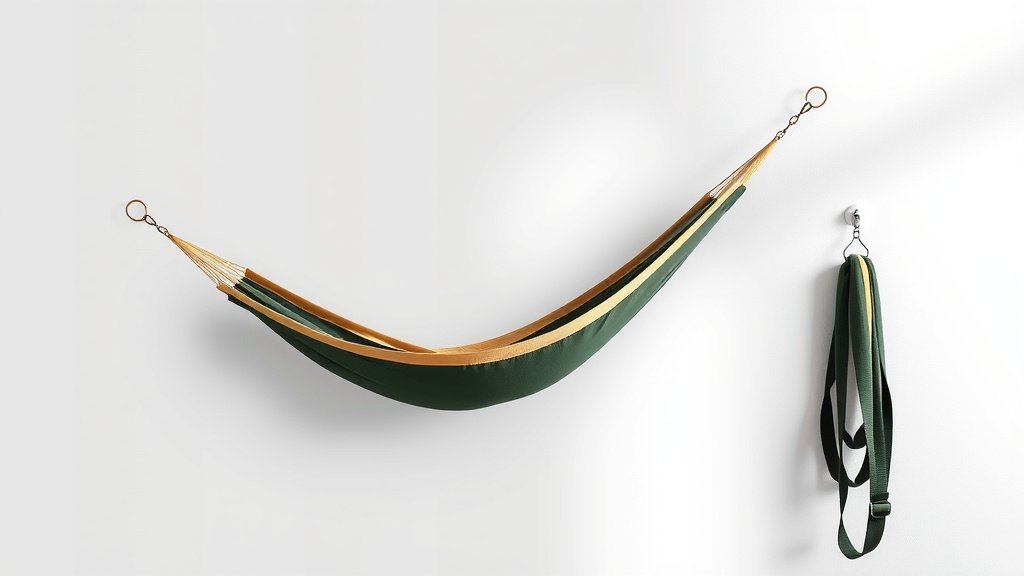
How to Safely Attach a Hammock to a Wall
Yes, you can absolutely attach a hammock to a wall, provided you use the right hardware and install it into a sturdy support structure. Many homeowners successfully create indoor hammock nooks by anchoring them securely to wall studs or reinforced beams. It’s a fantastic way to add a cozy relaxation spot to your home.
When considering wall-mounted hammocks, the key is understanding your wall’s construction. We found that most standard drywall won’t hold the weight, so locating solid wood studs or using heavy-duty anchors designed for concrete or brick is essential. This setup can transform a small corner into your personal oasis.
- Locate wall studs or solid concrete/brick.
- Use heavy-duty hammock hanging hardware.
- Ensure your installation can support the weight.
- Consider anchor point distance for proper hammock sag.
Let’s walk through exactly how to find the best spots on your wall and what kind of hardware you’ll need to hang your hammock safely and comfortably.
Finding the Right Spots for Your Wall Hammock Anchors
So, you’re ready to hang your hammock from the walls? That’s a fantastic idea for adding some chill vibes to your living space! But before you grab your drill, you need to know where to put those anchor points. It’s all about finding something super strong that won’t budge. We’ve found that not just any part of your wall will do.
The absolute best places to attach your hammock hardware are structural support elements within your walls. Think of these like the skeleton holding up your house. Without them, your drywall is just pretty wallpaper that can’t handle any real weight.
Understanding Your Wall’s Structure
Most homes have walls built with either wooden studs or concrete block/brick. Knowing which you have is your first big step. Your hammock’s safety depends on it.
The All-Important Wall Stud
In most North American homes, walls are framed with vertical wooden beams called studs. These are usually spaced 16 or 24 inches apart. They are the primary load-bearing elements in your wall. Attaching hardware directly into a stud is your best bet for a secure hammock setup. It’s like screwing into a tree trunk instead of a thin branch.
Concrete or Brick Walls
If your home is made of brick or concrete, your walls are naturally strong. These materials can easily support the weight of a hammock and its occupants. The key here is using the correct type of anchor designed specifically for masonry. You’ll be drilling into solid material, which is great news!
Tools to Find Your Studs
Don’t worry, you don’t need to be a detective to find wall studs. There are several easy ways to locate them. We’ve found these methods to be quite effective.
Electronic Stud Finder
These gadgets are your best friend for this job. You simply run it along the wall, and it beeps or lights up when it detects a stud. They are pretty reliable and make the process quick. Just follow the instructions, and you’ll be marking stud locations in no time.
The “Tap Test” and Nail Method
This is a more traditional, hands-on approach. Gently tap along your wall. You’ll notice a difference in sound – a solid thud indicates a stud, while a hollow sound means you’re just tapping drywall. You can also lightly tap a nail into the wall where you suspect a stud. If it goes in easily and then hits resistance, you’ve found your target!
Light Switch and Outlet Check
Many building codes require electrical boxes to be attached to wall studs. Look at the sides of your light switches and electrical outlets. You can often see where the mounting screws go into the wall. This can give you a good clue about stud locations nearby.
Choosing the Right Hardware for Secure Hanging
Once you’ve located your sturdy anchor points, the next step is picking the right hardware. This isn’t the place to skimp; you want hardware that’s built for serious support. We found that using specialized hammock hanging kits is generally the safest route.
Heavy-Duty Hammock Hooks or Eye Bolts
Look for hardware specifically designed for hanging hammocks or very heavy loads. These are typically made of strong steel. They often come in a kit with all the necessary screws or bolts. For wooden studs, you’ll want lag screws that are long and thick enough to get a deep, solid grip.
For concrete or brick, you’ll need heavy-duty concrete anchors and screws. These anchors expand within the hole you drill, creating a secure hold. Always check the weight rating on the hardware you choose. You want something that can easily support more than you and your heaviest hammock friend.
Mounting to Different Wall Types
Attaching to Wood Studs
When screwing into a wood stud, pre-drilling a pilot hole is essential. This prevents the wood from splitting and makes it easier to drive the screw. The pilot hole should be slightly smaller than the screw’s diameter. Ensure the screw is long enough to penetrate the stud by at least 1.5 to 2 inches. We found that using screws specifically designed for wood studs provides the best hold.
Mounting on Concrete or Brick
For masonry, you’ll need a hammer drill and a masonry bit to create a hole. The size of the hole should match the anchor you’re using. Insert the anchor, then screw your eye bolt or hook into the anchor. Many experts recommend using toggle bolts or wedge anchors for concrete applications where substantial weight is involved.
Consider the Distance Between Anchors
The distance between your two anchor points is critical for a comfortable hammock experience. Too close, and your hammock will feel stiff and upright. Too far, and it might sag too much or not have enough tension.
A general guideline is to set your anchors about 10 to 15 feet apart. This range often works well for typical room dimensions. However, it also depends on the length of your hammock and how much sag you prefer. Measure your hammock and consult its instructions if available. You’re aiming for that sweet spot where you can sink in nicely.
Here’s a quick checklist to keep you on track:
- Locate solid wood studs or masonry walls.
- Use a stud finder or other methods to be certain.
- Choose heavy-duty, load-rated hanging hardware.
- Pre-drill holes for wood studs and use masonry bits for brick/concrete.
- Ensure anchors penetrate deeply into the structure.
- Space anchor points appropriately for your hammock length.

Conclusion
You’re now ready to create your own indoor hammock oasis! Remember, the key to a safe and comfortable wall-mounted hammock is securing it to strong structural points. We’ve seen that focusing on solid wood studs or sturdy masonry walls is non-negotiable. Using the right heavy-duty hardware and ensuring it’s properly installed into these supports is your ticket to relaxation. So, grab your stud finder and the appropriate hardware, and get ready to hang your hammock securely.
Frequently Asked Questions
Can I hang a hammock from a single wall stud?
While a single stud can be strong, it’s generally recommended to use two anchor points for your hammock. This distributes the weight more evenly and provides much greater stability and safety for your setup.
What if my walls aren’t made of wood or concrete?
If your walls are constructed differently, such as with metal studs or a material that isn’t load-bearing, you’ll need to explore alternative solutions. This might involve attaching to ceiling joists or using specialized mounting hardware designed for your specific wall type, always ensuring it can support the weight.
How close to the ceiling should I install the hammock anchors?
The height of your anchors depends on the hammock’s length and how much sag you desire. Generally, setting them about 6 to 8 feet high works well, allowing for comfortable entry and exit without the hammock touching the floor when you’re in it.
Do I need special tools for mounting hammock hooks?
For wood studs, you’ll typically need a drill and drill bits for pilot holes. For concrete or brick, a hammer drill and masonry bits are essential. A stud finder is also highly recommended for wood-framed walls.
How do I know if the hardware I bought is strong enough?
Always check the weight rating on the hammock hanging hardware you purchase. It should significantly exceed the combined weight of the people who will use the hammock to ensure a safe margin. Look for kits specifically designed for hammocks or very heavy loads.