
Spreader Bar Hammocks Explained: Your Guide to Relaxing
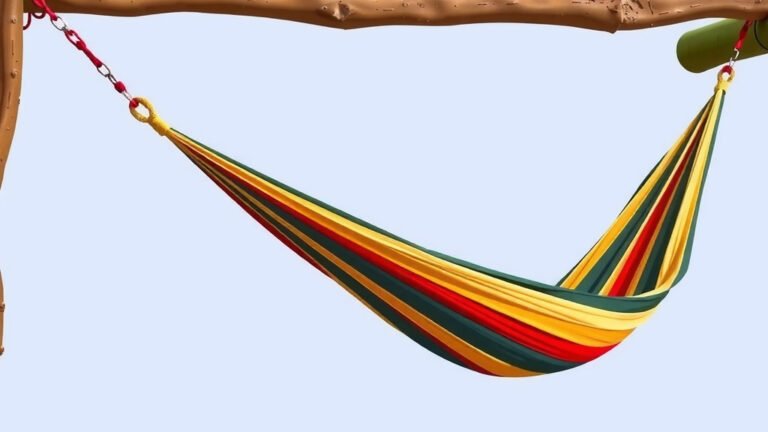
A spreader bar hammock is a type of hammock that uses two wooden or metal bars to keep the fabric spread open. This design prevents the hammock from closing in on you, offering a more open and stable lounging experience. You’ll often see these used for relaxing outdoors and soaking up the sun. They are designed for maximum comfort and to provide a more stable hang than traditional hammocks.
Unlike gathered-end hammocks that can feel like a cocoon, spreader bar hammocks provide a flat, bed-like surface. This makes them ideal for reading, napping, or simply enjoying a breezy afternoon. Many people find the open design much more appealing for outdoor relaxation. It’s like having your own personal oasis, ready for you to unwind.
- A spreader bar hammock has bars that keep the fabric open.
- This design offers a flat, stable lounging surface.
- It’s different from hammocks that wrap around you.
- Perfect for sunny days and outdoor relaxation.
Let’s dive into what makes a spreader bar hammock so special and how to choose the right one for your backyard.
Understanding the Spreader Bar Hammock Design
So, you’ve seen those hammocks that stay open like a little floating bed? That’s likely a spreader bar hammock. Its magic lies in those bars, usually at each end. These bars keep the fabric spread wide. This design prevents the hammock from wrapping around you like a taco.
This open design offers a much flatter surface. It feels more like a traditional bed than a cozy cocoon. You can lie back and really stretch out. Many people find this much more comfortable for long lounging sessions. It’s a popular choice for a reason!
How the Spreader Bars Work
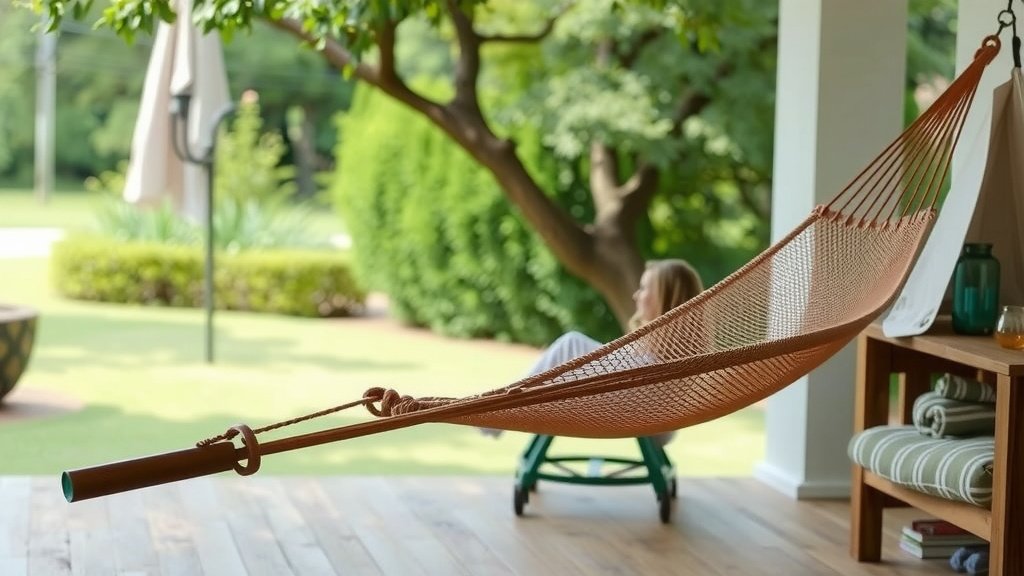
Think of the spreader bars as the hammock’s skeleton. They are typically made of wood or metal. These bars are inserted into pockets or loops at the ends of the hammock fabric. Their job is to hold the fabric taut and evenly distributed. This creates that open, inviting shape you see.
Because the fabric is held open, it doesn’t tend to fold in on itself. This means you can lie more flat, which is great for preventing that tipping sensation. It’s a stable platform for relaxation.
Materials of Spreader Bars
You’ll mostly find spreader bars made from two main materials. Wood spreader bars often give a classic, natural look. Hardwoods like oak or teak are common choices. They can be very sturdy and attractive.
Metal spreader bars, often aluminum or steel, are also very durable. They might offer a more modern aesthetic. Both types can support your weight effectively. The key is the quality of the bar and how it’s attached.
Key Advantages Over Other Hammock Types
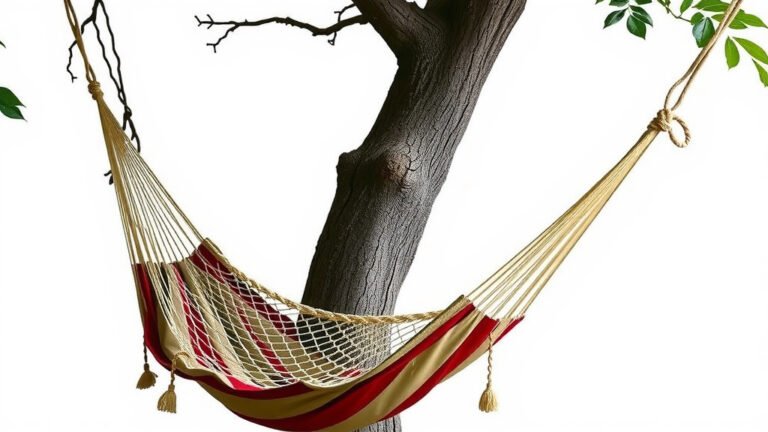
The biggest difference is that flat surface. Unlike a gathered-end hammock, which uses a single piece of fabric that bunches up, a spreader bar hammock provides a stable, even surface. This makes it easier to get in and out of.
This stability is also a huge plus for activities. Want to read a book? No problem. Need to take a nap without feeling buried? This is your hammock. It’s designed for ease and enjoyment.
We found that the open design also helps with airflow. You won’t feel as enclosed, which is lovely on a warm day. It allows a nice breeze to pass through, keeping you cooler.
Choosing Your Spreader Bar Hammock
Now that you know what makes them tick, let’s talk about picking one. Several factors come into play. Think about where you’ll hang it and what you’ll use it for. This will guide you to the perfect choice.
Size and Weight Capacity Matters
Hammocks come in different sizes. You can find single hammocks, perfect for one person. Then there are double or even family-sized hammocks. Measure the space where you plan to hang it. You’ll need enough room for the hammock itself plus clearance for swinging.
Always check the weight capacity. Most spreader bar hammocks can hold at least 300-400 pounds. Some larger models can support much more. It’s essential for safety and to ensure the hammock lasts. We found that being realistic about who will use it helps avoid disappointment.
Fabric Types and Durability
The fabric of your hammock is key to its comfort and longevity. Cotton is a popular choice. It’s soft and breathable, offering great comfort. However, cotton can be prone to mildew if left out in the rain.
For outdoor use, synthetic fabrics are often better. Polyester and olefin are common. They resist water, UV rays, and mildew. These materials are very durable and easy to clean. They hold up well to the elements.
We found that many outdoor-focused spreader bar hammocks use a blend of materials. This can offer the best of both worlds: comfort and resilience.
The Importance of a Hammock Stand
Not everyone has two perfect trees or sturdy posts to hang a hammock. That’s where a hammock stand comes in. These stands are designed to support your hammock safely. They offer flexibility in placement. You can put your hammock anywhere you like!
Stands come in various materials, like metal or wood. They are designed to match the hammock’s aesthetic. Ensure the stand you choose is compatible with your spreader bar hammock. It needs to accommodate the length and weight.
Using a stand also means you don’t have to worry about damaging trees. It’s a great solution for yards with limited or no suitable hanging points. Many experts recommend a stand for maximum versatility (Hammock Guild of America).
A Quick Comparison: Hammock Types
To really see where spreader bar hammocks shine, let’s quickly compare them.
| Feature | Spreader Bar Hammock | Gathered-End Hammock | Quilted Hammock |
|---|---|---|---|
| Surface Flatness | Very Flat / Bed-like | Curved / Cocoon-like | Moderately Flat |
| Stability | High | Lower (can tip) | Moderate |
| Ease of Entry/Exit | Easy | More Difficult | Moderate |
| Portability | Moderate (bars add bulk) | High (lightweight) | Moderate |
| Best For | Relaxing, Reading, Napping | Casual Lounging, Backpacking | Comfort, Patio Decor |
Getting Started: Your Spreader Bar Hammock Checklist
Ready to find your perfect spreader bar hammock? Keep these points in mind:
- Measure your available hanging space.
- Determine the ideal size and weight capacity.
- Consider fabric durability for outdoor use.
- Decide if you need a hammock stand.
- Check spreader bar material and attachment quality.
- Read reviews for user feedback.
Conclusion
You now understand what makes a spreader bar hammock a fantastic choice for your outdoor relaxation. Their design offers that sought-after flat, stable surface, making them incredibly user-friendly for reading, napping, or simply enjoying a sunny afternoon. From considering durable fabrics to the convenience of a hammock stand, you have the knowledge to pick the perfect one. Ready to find your personal oasis? Measure your space and check weight capacities to bring home the ultimate lounging experience.
Frequently Asked Questions
Are spreader bar hammocks harder to get into than other types?
No, we found spreader bar hammocks are generally easier to enter and exit. The flat surface provides a stable platform, reducing the tendency to tip or wrap around you. This makes them more accessible for many people compared to gathered-end hammocks.
Can I leave a spreader bar hammock outside all the time?
While some synthetic fabrics are weather-resistant, we recommend storing your spreader bar hammock when not in use. Prolonged exposure to sun and rain can degrade fabrics and wood over time. Bringing it inside will help it last longer.
Do spreader bar hammocks require a stand?
Not always. If you have two sturdy trees or posts spaced correctly, you can hang a spreader bar hammock without a stand. However, a stand offers great flexibility if you lack suitable hanging points or want to move your hammock around your yard.
Are spreader bar hammocks good for sleeping?
Yes, many people find spreader bar hammocks excellent for sleeping. The flat, bed-like surface is more comfortable for sleeping than a hammock that cocoons you. This stability can lead to a more restful night’s sleep outdoors.
How do I clean a spreader bar hammock?
Cleaning typically involves wiping down the fabric with a mild soap and water solution. For wooden spreader bars, a gentle wood cleaner can be used. Always allow the hammock to air dry completely before storing it to prevent mildew.