Best Hammock for Backpacking: Top Picks for 2026
The best hammock for backpacking is typically a lightweight, durable nylon hammock that packs down small. Look for models offering comfort and easy setup for your trips. Many backpackers prefer single or double hammocks made from ripstop nylon, which balances strength with minimal weight.
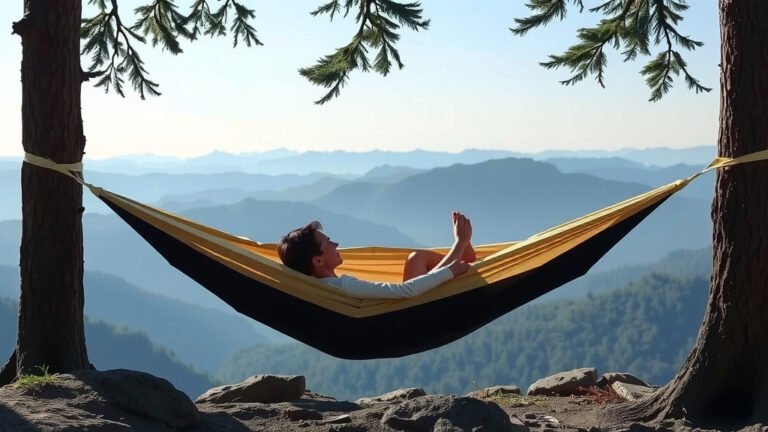
Choosing the right hammock means considering factors like your body weight and the terrain you’ll be camping in. You also want to think about how much space it takes up in your pack. A good backpacking hammock will be your cozy sanctuary in the wild, a place to rest after a long day’s hike.
- Focus on lightweight nylon.
- Check durability and packed size.
- Consider your personal comfort needs.
- Ensure it’s easy to set up quickly.
Let’s dive into what makes a hammock great for hitting the trail and how to pick the perfect one for your adventures.
Choosing Your Perfect Backpacking Hammock
When you’re hitting the trails, your hammock becomes your trusty companion. It’s your personal rest stop, miles from anywhere. Finding the best hammock for backpacking means looking for a few key things. You want something that won’t weigh you down but will still be comfy and reliable. We’ve researched what makes a hammock a backpacker’s dream, and it boils down to a few core features.
Understanding Hammock Materials for the Trail
The material of your hammock makes a big difference. For backpacking, you generally want lightweight and durable options. This is where nylon shines.
Nylon: The Backpacking Standard
Most backpacking hammocks are made from ripstop nylon. This material is woven in a way that prevents small tears from spreading. Think of it like tiny squares reinforcing each other. It’s strong, resists abrasion, and dries quickly. This is super important when you’re out in the elements. You’ll find different types of nylon, like:
- 210D Nylon: A common and good balance of weight and strength.
- 70D Nylon: Even lighter, often used in ultralight setups.
- High-Tenacity Nylon: Often stronger for its weight, good for demanding trips.
We found that most backpackers find 210D nylon to be a sweet spot. It offers great durability without adding too much bulk. It’s tough enough for rough use but still packs down small.
Other Materials to Consider (and Why They Might Not Be Best)
While nylon is king, you might see other materials. Cotton or canvas hammocks are super comfortable at home, but they’re heavy and absorb moisture. That means they get soggy and take forever to dry on a trip. Polyester is another option, often used in camping hammocks. It’s durable and water-resistant, but can be heavier than nylon. For backpacking, the weight savings and quick-drying nature of nylon usually win out.
Size and Weight: How Much Can You Carry?
When you’re backpacking, every ounce counts. Your hammock needs to be light and packable.
Weight Considerations
A good backpacking hammock should weigh less than two pounds, including suspension. Many ultralight models can be found for under a pound! This is a major difference from larger, stationary hammocks. Think about it: you’re carrying everything on your back. Lighter gear means more energy for hiking and enjoying the views.
Packed Size Matters
You also want a hammock that packs down small. Look for models that stuff into a tiny stuff sack. This makes it easy to tuck into a side pocket or the front of your backpack. You don’t want to sacrifice valuable space that could be used for food or shelter. Many high-quality hammocks compress to the size of a grapefruit or even smaller.
Single vs. Double Hammocks
Hammocks come in different widths. A single hammock is typically around 5 feet wide. A double hammock is usually closer to 6 feet wide. A double offers more room to spread out, making it feel more like a bed. It’s also great for sharing or for bigger individuals. However, double hammocks are often a bit heavier and take up more space when packed. For solo backpackers prioritizing minimal weight, a single might be the way to go. If comfort and a bit more space are your priorities, a double could be worth the slight increase in weight.
Comfort and Features: Your Home Away From Home
Beyond the basic material, several features contribute to your comfort. After a long day on the trail, you want a hammock that feels good.
The Importance of a Spacious Design
Even a single hammock should feel spacious enough. You want to be able to lie down flat, or at least comfortably on your side. Many hammocks are designed with a slight curve to help with this. This “diagonal lay” allows your body to be more horizontal. This is key to avoiding the “banana effect,” where you feel all hunched over. We found that hammocks around 10 feet long offer a good balance of space and packability.
Integrated Bug Nets and Rain Flies
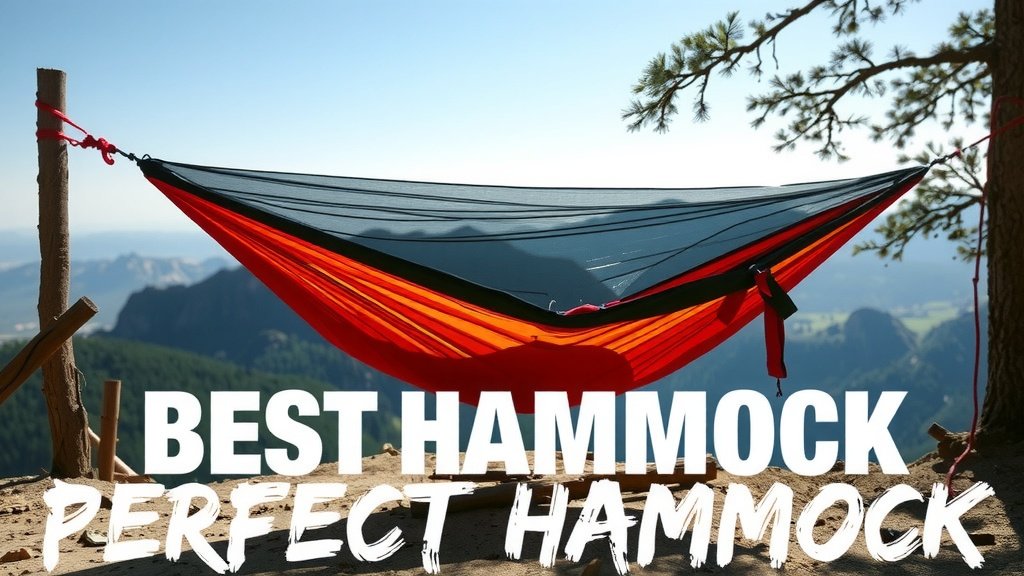
Are you heading to buggy areas? Many backpacking hammocks come with an integrated bug net. This is a huge comfort booster. Waking up covered in mosquito bites is no fun! Similarly, a lightweight rain fly or tarp is essential for keeping dry. Many suspension systems also include a ridgeline. This is a fixed cord that helps you set up your tarp consistently every time. It’s a small detail that makes a big difference.
Suspension Systems: How You Hang
How your hammock attaches to trees is critical. Most backpacking hammocks use webbing straps or Whoopie Slings. Webbing straps are simple and durable. Whoopie Slings are adjustable cords that offer fine-tuning of your hang angle. You’ll also want to ensure the tree straps are tree-friendly. Look for wide webbing that distributes pressure. This protects the bark on trees, which is important for conservation (U.S. Forest Service). Avoid using rope, as it can damage trees.
Ease of Setup: Quick and Simple Hangs
You don’t want to spend 30 minutes wrestling with your hammock when you arrive at camp. A good backpacking hammock should be easy to set up. This usually means having a simple suspension system. Carabiners and whoopie slings can make hanging quick. Practice setting up your hammock at home first. This way, you’ll be a pro when you’re tired and it’s getting dark.
Key Features to Look For: A Quick Checklist
To help you narrow down your search, here’s a checklist of what to prioritize:
- Weight: Aim for under 2 pounds total.
- Material: Ripstop nylon is usually best.
- Packed Size: Should be compact and easy to store.
- Length: Around 10 feet provides good comfort.
- Suspension: Tree-friendly straps and easy adjustability.
- Durability: Ripstop weave and strong stitching.
Conclusion
You’ve learned that the best backpacking hammock prioritizes lightweight durability and easy setup. Ripstop nylon is your go-to material for its strength and quick-drying properties. Remember to consider hammock width (single vs. double) based on your comfort needs and pack space. Your ideal hammock should also offer features like a spacious design for comfortable lying and a reliable suspension system. Now, you’re ready to choose a hammock that will be your perfect resting spot on your next adventure. Go ahead and pick one out – your future self will thank you!
Frequently Asked Questions
How much should a backpacking hammock weigh?
A good backpacking hammock, including its suspension system, should ideally weigh less than two pounds. Many ultralight options can be found under one pound, which makes a big difference when you’re carrying everything on your back. This lighter weight means more energy for hiking and enjoying the scenery.
Is ripstop nylon the only good material for backpacking hammocks?
While ripstop nylon is the standard for backpacking due to its excellent balance of weight, durability, and quick-drying capabilities, other materials exist. However, cotton or canvas are too heavy and absorb too much moisture, while polyester can be heavier than nylon. For the trail, nylon generally wins out.
What’s the difference between a single and a double hammock for backpacking?
A single hammock is typically around 5 feet wide, while a double is closer to 6 feet wide. A double offers more room to spread out and is better for sharing or larger individuals, but it’s often a bit heavier and packs down larger. A solo backpacker prioritizing minimal weight might prefer a single.
Why is the suspension system so important for a backpacking hammock?
Your suspension system is how your hammock attaches to trees, so it needs to be reliable and tree-friendly. Look for webbing straps or Whoopie Slings for easy adjustment and wide straps that distribute pressure to protect tree bark. A good system ensures a secure and comfortable hang.
Can I use my backyard hammock for backpacking?
Generally, no. Backyard hammocks are often made from heavier materials like cotton or canvas, making them far too heavy and bulky for backpacking. They also don’t pack down small enough to fit easily in your pack. Backpacking hammocks are specifically designed for lightness and compressibility.