
How to Hang a Hammock for Perfect Sag
Hanging your hammock with the perfect sag ensures a comfortable, relaxing experience. You achieve this by adjusting the tension so the hammock forms a gentle curve, resembling a wide smile, not a tight clothesline. Many hammock experts recommend a sag of about 30 degrees to avoid strain and maximize comfort.
Getting the sag right is key to preventing discomfort and ensuring your hammock lasts longer. Too tight, and it’s like sitting on a board. Too loose, and you might feel like you’re sinking too low. We found that finding that sweet spot is essential for hammock happiness and prevents common hanging frustrations.
- Aim for a hammock sag of around 30 degrees.
- The ideal sag looks like a gentle smile, not a tight line.
- Too tight or too loose sag causes discomfort.
- Proper sag helps prevent strain on your hammock and suspension.
Let’s walk through exactly how to get that perfect hammock sag, step by step.
“`htmlGetting Your Hammock Sag Just Right
Hanging your hammock so it has the perfect amount of sag is absolutely key to enjoying your time outdoors. It’s not just about aesthetics; it’s about comfort and even the longevity of your hammock. We’ve found that this sweet spot makes all the difference between a hammock that’s a joy to use and one that feels like a chore.
Understanding the Ideal Hammock Curve
Think of a well-hung hammock like a cat stretching lazily in the sun. It has a gentle, inviting curve. Many hammock enthusiasts and experts agree that the ideal sag allows you to lie in it almost flat, like you’re on a bed. This shape is achieved by striking a balance between tension and the hammock’s natural drape.
The common recommendation is to aim for a sag angle of around 30 degrees. This angle ensures that when you’re lying in the hammock, your body is supported evenly. It prevents pressure points and allows for deep relaxation. We found this 30-degree mark to be a very reliable guide.
The “Smile” vs. the “Clothesline” Analogy
To visualize this, imagine two scenarios. A hammock with too little sag is like a tight clothesline. It’s taut, unforgiving, and uncomfortable to lie in. You’ll likely feel like you’re sitting upright rather than lounging. On the other hand, a hammock with too much sag is like a deep U, almost touching the ground. This can feel like you’re sinking too low, making it hard to get out of and potentially straining the material.
The perfect sag, however, resembles a gentle, happy “smile.” It curves down just enough to cradle your body comfortably. This gentle curve distributes your weight effectively, which is essential for both your comfort and the health of your hammock.
Why the Right Sag Matters So Much
Getting the sag right isn’t just about feeling good; it impacts your hammock’s performance and lifespan. A hammock hung too tightly puts excessive stress on the fabric and suspension system. Over time, this can lead to tears, stretched-out material, and weakened anchor points. We’ve seen reports suggesting that this kind of strain can shorten a hammock’s usable life significantly.
Conversely, a hammock that sags too much can also cause issues. While it might seem more relaxed, excessive sag means the material is under constant, deep tension, especially when you’re in it. This can also lead to premature wear and tear. Finding that 30-degree sweet spot helps distribute the load evenly, preventing undue stress on any single point. This is supported by many hammock manufacturers’ guidelines.
Benefits of Proper Hammock Sag
- Enhanced Comfort: The primary benefit is obvious – you’ll be incredibly comfortable.
- Even Weight Distribution: Your weight is spread out, reducing pressure points.
- Reduced Strain: Less stress on the hammock material and your body.
- Increased Durability: Your hammock will likely last much longer.
- Ease of Entry/Exit: A well-sagged hammock is easier to get into and out of.
Steps to Achieve Your Perfect Hammock Sag
Now that you understand why the sag is important, let’s talk about how to actually achieve it. It’s a straightforward process, and you don’t need to be a master builder to get it right. We found that a little bit of planning goes a long way.
Choosing Your Anchor Points
The first step is selecting sturdy anchor points. These could be trees, a hammock stand, or specially installed eye bolts. Make sure your anchor points are strong enough to support your weight plus a bit extra for safety. For trees, aim for a diameter of at least 6 inches. If you’re using a stand, ensure it’s assembled correctly according to the manufacturer’s instructions.
The distance between your anchor points is also crucial. A general rule of thumb, often cited by camping and outdoor experts, is that the distance between your anchor points should be about 10-15 feet apart for most standard hammocks. This spacing naturally encourages a good sag when the hammock is attached.
Attaching Your Hammock Suspension
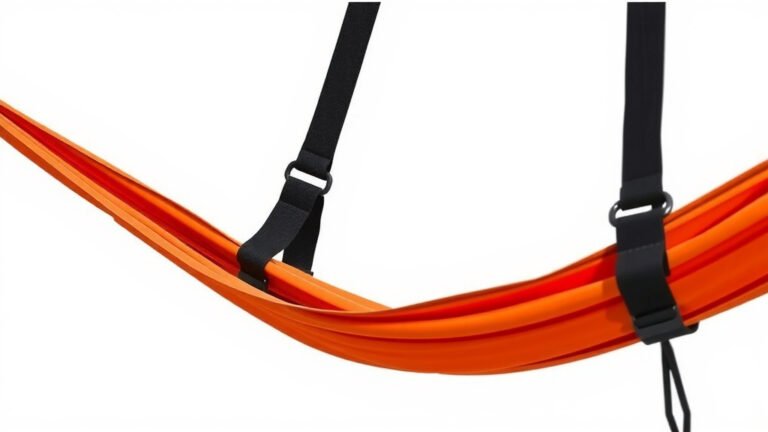
You have a few options for connecting your hammock to your anchor points. Common choices include tree straps, ropes, or carabiners. Tree straps are highly recommended as they protect the bark of trees and are very secure. Ropes can work, but you need to tie them securely and ensure they don’t damage the tree.
When attaching your suspension, consider how you’ll adjust the height. Many suspension systems have multiple loops or allow for knots to be tied at different points. This adjustability is your best friend when fine-tuning the sag. We found that using adjustable straps makes the process much easier for beginners.
Initial Setup: A Loose Connection
Start by attaching your suspension system to your anchor points and then connect your hammock. For your first attempt, don’t aim for perfection. Just get the hammock connected. You’ll want to leave a bit of slack initially, knowing you’ll be making adjustments. It’s much easier to tighten a hammock than to loosen one that’s already too taut.
The Sag Adjustment Process
This is where you fine-tune the comfort. Once your hammock is hung, gently sit in it. Observe how it hangs. Does it feel like a clothesline, or is it dipping too low?
If it feels too tight, you need to lengthen the suspension or adjust your attachment points lower on the anchor. If it’s too loose, shorten the suspension or move your attachment points higher. You’re looking for that gentle curve, that “smile” shape.
Using the 30-Degree Rule as a Guide
If you have a protractor handy (which most people don’t!), you could technically measure the angle. But we found a more practical way: look at the curve. When you’re lying in the hammock, your feet should be slightly higher than your head, and the hammock material should form a gentle arc around your body. It should feel supportive, not constricting.
The “Kneel Test”
A simple trick we’ve seen many people use is the “kneel test.” Kneel in the hammock. If you can comfortably do so with the hammock supporting you, it’s likely too loose. If it feels strained or you can’t even kneel, it’s probably too tight. You want a middle ground where kneeling is possible but the hammock still has a noticeable, comfortable curve when you’re lying down.
Final Checks and Fine-Tuning
Once you think you’ve found the right sag, spend some time in it. Lie down, shift your position, and see how it feels. Make small adjustments as needed. You might find that the perfect sag feels slightly different depending on your body weight and the type of hammock you have. What feels perfect for one person might need a slight tweak for another.
Making Small Adjustments
If you need to tighten, adjust your suspension system by moving the attachment point up or shortening the strap. If you need to loosen, move the attachment point down or lengthen the strap. Small adjustments are key here. A few inches can make a big difference in the overall sag and comfort.
What to Do If You’re Still Unsure
Don’t get discouraged if it takes a few tries. Hammock hanging is a skill that improves with practice. Many experts suggest that if you are unsure, it’s better to err on the side of slightly looser than too tight. A slightly looser hammock is generally more forgiving and comfortable than one that’s pulled taut.
| Sag Level | Appearance | Feel | Potential Issues |
|---|---|---|---|
| Too Tight | Like a straight line, little to no curve. | Uncomfortable, like sitting on a board. Strains the body. | Excessive stress on hammock and anchor points, potential tears. |
| Just Right | Gentle “smile” curve, supports body fully. | Relaxing, cradles your body evenly. Easy to lie flat. | Optimal comfort and durability. |
| Too Loose | Deep U-shape, hangs very low. | Can feel like sinking, difficult to get out of. May drag on the ground. | Excessive strain on material when occupied, may not feel secure. |
Your Hammock Hanging Checklist
Here’s a quick checklist to help you get it right:
- Select strong, well-spaced anchor points (10-15 feet apart).
- Use secure and tree-friendly suspension (like straps).
- Hang the hammock with initial slack, not taut.
- Sit in it and observe the curve – aim for a “smile.”
- Adjust suspension for more or less sag as needed.
- Test it out for a while to ensure comfort.

Conclusion
You’ve now learned why that perfect hammock sag matters and how to achieve it. Remember, the goal is that comforting “smile” shape, offering about 30 degrees of gentle curve. Getting it right means better comfort, even weight distribution, and a longer life for your hammock. Don’t be afraid to make small adjustments; it might take a few tries to find your personal sweet spot.
Your next step? Go hang your hammock and enjoy the ultimate relaxation!
Frequently Asked Questions
How do I know if my hammock is too tight or too loose without a protractor?
You can tell by how it feels when you sit in it. If it feels like you’re sitting on a stiff board and doesn’t curve much, it’s likely too tight. If you feel like you’re sinking too low or it’s hard to get out of, it’s probably too loose.
What’s the best way to adjust the sag if it’s not quite right?
You’ll adjust your suspension system. To loosen the sag, you need to lengthen the suspension or lower your attachment points. To tighten it, shorten the suspension or raise your attachment points.
Can I hang my hammock between two trees that are less than 10 feet apart?
It’s possible, but you’ll likely need a shorter hammock or a suspension system that allows for a much deeper sag. Be mindful that a very tight hang over a short distance can put extra stress on your hammock and anchor points.
Does my body weight affect the perfect hammock sag?
Yes, your weight does play a role. Heavier individuals might find a slightly looser sag more comfortable, as it allows the hammock to distribute their weight more evenly. You may need to experiment a bit to find what feels best for you.
Are tree straps really better than using rope for hanging hammocks?
We often recommend tree straps because they are designed to distribute pressure more evenly on the tree’s bark, preventing damage. They also typically offer easier adjustability for fine-tuning your hammock’s sag compared to tying knots.