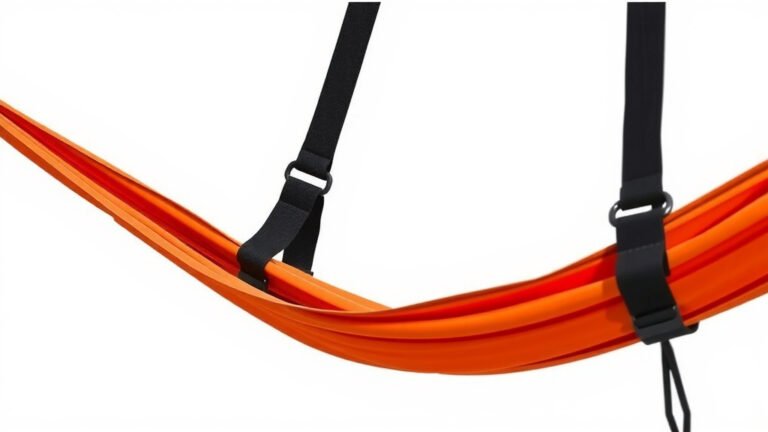

Hang Your Hammock: The Perfect Height Guide
Hanging your hammock at the right height is key for a comfy, stable experience. For most hammocks, aim for the sides to be about 3 to 6 feet off the ground. This sweet spot prevents uncomfortable sagging and makes it easy to get in and out without a tumble. We’ve found this range works for a variety of hammock types and hanging setups.
Getting the height wrong can lead to a hammock that’s too low, dragging on the ground, or too high, making it a chore to enter. The ideal setup offers a gentle curve, supporting your body perfectly. It’s about finding that sweet spot where relaxation is just a gentle swing away. Many experts agree that proper tension and height are essential for hammock comfort and safety.
- Aim for 3-6 feet off the ground.
- This allows for easy entry and exit.
- It also prevents the hammock from sagging too much.
- Proper height ensures a stable and comfortable hang.
Ready to get your hammock perfectly suspended? Let’s walk through exactly how to achieve that ideal hang height step by step.
Achieving the Perfect Hammock Height for Ultimate Relaxation
So, you’ve got your hammock, and you’re ready to kick back. But before you do, let’s talk about something super important: that perfect hang height. Getting it just right means the difference between a cozy cloud and a ground-level sag. We found that the sweet spot for most hammocks is between 3 and 6 feet off the ground. This range makes it easy to hop in and out gracefully, without feeling like you’re performing an Olympic event. Plus, it keeps your hammock from scraping the dirt when you settle in for a nap. Think of it as setting the stage for pure bliss.
Understanding the Physics of a Good Hammock Hang
Why does height matter so much? It’s all about physics and how your hammock distributes weight. When a hammock is too low, it tends to sag more in the middle. This can make you feel like you’re stuck in a banana peel, and it’s a tripping hazard for your feet. On the other hand, if it’s too high, getting in can be a challenge. You might feel like you’re about to take a tumble, which isn’t exactly relaxing. We found that a slight curve, like a gentle smile, is what you’re aiming for. This curve supports your body evenly and gives you that lovely, floating sensation.
The Ideal Sag: What to Look For
Experts often refer to the “hang angle” as a good indicator of a proper setup. While we’re focusing on height, it’s closely related. For a comfortable hang, many suggest a sag of about 30 degrees. This translates to that gentle curve we talked about. When you’re sitting in the hammock, the fabric should feel taut enough to support you, but with enough give to cradle you. If you’re unsure, a quick test is to get in gently. Does it feel stable? Can you easily slide in and out? If yes, you’re likely in the right ballpark.
Factors That Influence Your Ideal Height
While 3-6 feet is a general guideline, a few things might nudge your preferred height up or down. Your own height and weight play a role. Someone taller might need their hammock slightly higher to accommodate their leg length. Similarly, if you’re on the heavier side, you might want to ensure the anchors are secure and the height allows for a comfortable sag without touching the ground. We found that simply using a tape measure to check the distance from the ground to your anchor points is a solid starting point.
Your Personal Comfort Zone
Ultimately, the “right” height is also about your personal comfort. Some people prefer a slightly lower hang for easier access, especially if they have mobility concerns. Others might like it a bit higher for a more secluded, elevated feel. Don’t be afraid to experiment a little within the recommended range. What feels amazing to one person might be just okay for another. The goal is to find what makes *you* feel most relaxed and secure.
Practical Steps to Hang Your Hammock Correctly
Ready to put this into practice? Let’s get your hammock off the ground and into its perfect resting place. This involves choosing your anchor points wisely and adjusting the suspension system. Remember, sturdy trees, strong posts, or specialized hammock stands are your best friends here. Safety first, always!
Choosing Your Anchor Points
The first step is finding what you’ll hang your hammock from. Look for trees that are at least 8-12 inches in diameter. Smaller trees might not be strong enough to support your weight. If you’re using a hammock stand, ensure it’s assembled correctly and on stable ground. For posts, make sure they are deeply set and sturdy – think fence posts or deck support beams that are rated for significant load-bearing. Many guidelines suggest checking the stability of any anchor point by giving it a good shake before attaching your hammock (CDC recommendations for outdoor recreation safety).
Measuring and Adjusting Suspension
Once your anchor points are chosen, it’s time to measure. A good starting point is to hang your hammock so the sides are approximately 4 to 5 feet off the ground. This often gives you enough clearance to avoid dragging while still being easy to enter. Use a tape measure to get this distance right. If you’re using tree straps, adjust them until the loop is at your desired height. For rope or carabiner systems, you might need to tie knots or adjust the carabiner placement.
The Two-Anchor Rule
We found that having your anchor points roughly 10-15 feet apart works well for most standard hammocks. This distance allows for that lovely, gentle sag. If your anchor points are too close together, your hammock will be too tight. If they’re too far apart, it might sag too much. This is where you might need to adjust the length of your suspension system. Think of it like tailoring a comfortable outfit – you want it to fit just right.
Testing Your Hammock Hang
Before you fully commit to lounging, always test your hammock. Gently put some weight into it. Bounce lightly a couple of times. Does it feel secure? Does it sag too much or seem too stiff? If it feels too low, shorten your suspension. If it feels too high and stiff, lengthen it. You might need to adjust the height by a few inches here and there. We found that a quick adjustment can make a world of difference in overall comfort.

Troubleshooting Common Hammock Hanging Issues
Sometimes, even with the best intentions, things don’t feel quite right. Don’t worry, these are common hiccups that are usually easy to fix. Let’s look at a couple of scenarios you might run into.
My Hammock is Too Low!
If your hammock is dragging on the ground when you sit in it, you’ll need to raise your anchor points or shorten your suspension. This is often the case if your anchor points are closer than ideal, forcing the hammock to sag more. Try moving your tree straps or carabiners higher up on the tree or support. Even a 6-inch adjustment can make a significant difference. Remember, you want enough clearance so that when you settle in, the lowest point of the hammock is at least 18 inches from the ground.
My Hammock is Too High and Stiff!
If you feel like you’re climbing into a high wire act, or the hammock feels like a drum with no give, your anchor points might be too far apart, or your suspension is too short. Try lowering your anchor points slightly, or extend your suspension system. You want that gentle curve, not a flat line. Many experts suggest that a hammock that feels like a taut sheet is more likely to be uncomfortable and could put undue stress on your anchor points (National Park Service safety guidelines for recreational activities).
Quick Checklist for Your Perfect Hammock Height
Getting it right the first time can be easier with a quick reference. Keep these points in mind:
- Check your anchor points for sturdiness.
- Aim for anchor points 10-15 feet apart.
- Start with sides 4-5 feet off the ground.
- Ensure the lowest point is 18 inches off the ground when occupied.
- Test your hang by gently sitting in it.
- Adjust as needed for your personal comfort.
Conclusion
You’ve learned how getting your hammock height just right transforms your relaxation. Remember, aiming for the sides between 3 to 6 feet off the ground is your best starting point. This range helps prevent uncomfortable sagging and makes entry and exit a breeze. We’ve seen that a gentle curve, supported by secure anchor points spaced 10-15 feet apart, is the secret to that perfect floating sensation. Now, go ahead and test your hang. A few small adjustments will have you lounging in bliss in no time!
Frequently Asked Questions
What’s the most common mistake people make when hanging a hammock?
The most frequent error is hanging the hammock too low, causing it to drag on the ground. This can make it difficult to get in and out and can also damage your hammock. We found that people often underestimate how much the hammock sags once occupied.
How do I know if my hammock is too tight or too loose?
If your hammock feels like a taut sheet and offers little to no sag, it’s likely too tight. Conversely, if it sags so much that you’re almost on the ground, it’s too loose. You’re aiming for a gentle curve, like a smile, that cradles your body comfortably.
Can I use any tree to hang my hammock?
No, it’s important to use sturdy trees that are at least 8-12 inches in diameter. Smaller or unhealthy trees might not be strong enough to safely support your weight. Always check the tree’s stability before attaching your hammock.
Does my personal height affect the ideal hammock height?
Yes, your personal height can influence the ideal hang. Taller individuals might prefer their hammock slightly higher to accommodate their leg length and ensure a comfortable sag. It’s always a good idea to adjust based on your own comfort and ease of access.
How far off the ground should the hammock be when I’m sitting in it?
When you are sitting in your hammock, the lowest point should ideally be about 18 inches from the ground. This ensures you have enough clearance to avoid touching the ground and also makes getting out of the hammock much easier.