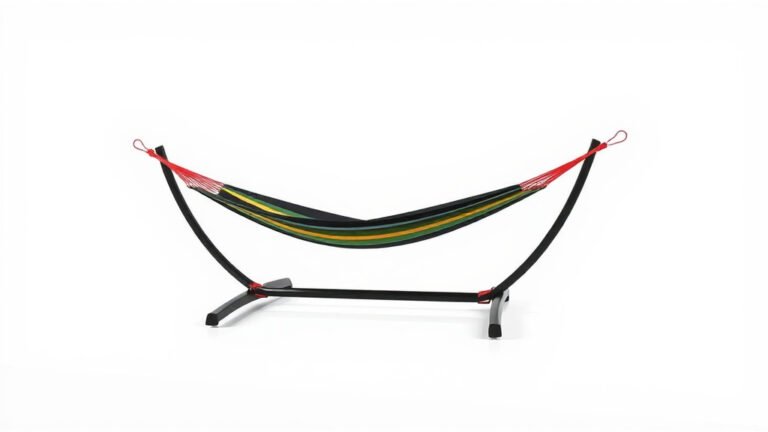
Can Dogs Use Hammocks? Safety Tips Every Owner Should Know
Yes, a dog can use a hammock, and many dogs absolutely love them. But your pup needs a low, sturdy hammock with easy access, so they can hop on and off without a risky leap. A wobbly, high-hanging hammock? That’s a recipe for a tumble.
Here’s the thing: not every dog is a hammock fan. Some breeds take to swinging like they were born for it, while others want nothing to do with that wobbly fabric. We researched what trainers and pet owners say, and we found that size, age, and temperament matter most. A calm, confident dog usually adjusts fast, while a nervous or senior dog may need a firmer option, like a hammock-style bed with a solid frame.
Quick takeaways before we dive in:
- Yes, dogs can safely use hammocks with the right setup.
- Low, stable hammocks are safest for pups.
- Size and weight limits matter more than you’d think.
- Older or anxious dogs may prefer firmer beds.
- Supervision is key the first few times your dog climbs in.
Below, we break down everything you need to know about dogs and hammocks, from safety tips to picking the right style for your furry friend.
Are Hammocks Safe for Dogs? What to Know First
Safety comes down to three things: height, stability, and your dog’s temperament. A hammock that hangs low to the ground with a wide base is far safer than one strung high between two trees. If your dog can step in with one paw, they can usually handle the rest.
We found that most hammock-related tumbles happen during the first climb, not after. That’s when your dog doesn’t yet understand the fabric will move under their feet. Imagine stepping onto a trampoline for the first time. That wobble surprises everyone, dogs included.
Vets often remind owners that dogs see the world differently than we do. The AVMA notes that dogs rely heavily on predictable footing, so anything unstable can trigger anxiety or hesitation. Give your pup time to inspect the hammock before expecting them to hop in.
Height and Stability: The Two Biggest Factors
Keep the hammock under 12 inches off the ground for most dogs. The lower it sits, the less distance there is to fall. Many experts suggest testing stability yourself first: sit in it, shift your weight, and see how it moves.
If the hammock tips or swings freely, add anchors or a stand with a wider base. A camp-style hammock between two trees works for a calm dog, but a frame hammock offers more control for beginners.
Which Dogs Do Best in Hammocks
Not every pup is cut out for lounging in midair. Here’s what we found about which dogs take to hammocks naturally:
- Small breeds like Chihuahuas and Dachshunds often love the cozy wrap.
- Confident, curious dogs usually adapt within a few sessions.
- Young, healthy adults handle the climb in and out with ease.
- Senior dogs may struggle with balance and stiff joints.
- Anxious dogs often prefer firm ground until trust builds.
- Brachycephalic breeds (flat-faced dogs) can overheat faster, so shade matters.
Choosing the Right Hammock Style for Your Pup
There’s more than one kind of hammock, and the style you pick makes a big difference. Some are built for people. Others are made with dogs in mind from the start.
Human Hammocks vs. Dog-Specific Hammocks
A human hammock can work, but it’s designed around human weight and height. Dog-specific hammocks sit lower, use tougher fabric, and often include side bolsters that act like guardrails. That extra edge gives nervous pups a sense of security.
We found that dog car hammocks, the kind that stretch across back seats, make a surprisingly good indoor lounging spot too. They’re flat, stable, and easy to clean.
Frame Hammocks and Elevated Beds
If your dog is older or unsteady, consider a hammock-style elevated bed. These use a fabric surface stretched over a rigid frame. The fabric gives a little, but the frame keeps everything level and predictable.
Think of it as training wheels for hammock life. Your dog gets the breathable, cool comfort of fabric without the tipping motion.
| Hammock Type | Best For | Safety Notes |
|---|---|---|
| Classic rope or fabric hammock | Confident small-to-medium dogs | Hang low; check weight limit |
| Stand with frame | Beginners and medium dogs | Wider base, less tipping |
| Elevated dog bed (hammock style) | Seniors and anxious dogs | Firm, level, easy entry |
| Car hammock | Travel and indoor lounging | Flat surface, very stable |
Weight Limits and Size: Why They Matter
Here’s the part people skip, and it’s the part that matters most. Every hammock has a weight rating. Exceeding it risks snapped cords, torn fabric, and a hard landing for your dog.
We found that many owners assume small hammocks can hold a 70-pound Lab because “fabric is strong.” It isn’t always. Check the manufacturer’s label, then add a safety margin: pick a hammock rated for at least 25% more than your dog’s weight.
Size matters beyond weight, too. A Great Dane in a hammock built for a Beagle will hang awkwardly, with limbs dangling off the sides. Your dog should be able to lie down fully without spilling over an edge.
Measuring Your Dog for a Hammock
Grab a tape measure and note your dog’s length, from chest to tail base. Then compare that to the hammock’s fabric surface area, not the total frame size. Add a few inches of room so your pup can stretch and shift positions. Our guide to picking the right hammock size walks through matching dimensions to the user.
Training Your Dog to Use a Hammock
Most dogs need a gentle introduction. Rushing this step is the top reason a hammock ends up unused in the garage.
Step-by-Step Introduction
- Day 1: Let your dog sniff and walk around the hammock. Reward calm behavior with treats.
- Day 2: Hold the fabric still while your dog places two paws on it. Praise generously.
- Day 3: Lure your dog fully in with a high-value treat or favorite toy.
- Day 4: Add gentle, small movements so your dog learns the sway is safe.
- Week 2: Let your dog get in and out on their own while you supervise nearby.
Keep sessions short. Five positive minutes beats a forced half-hour every time. Many trainers say ending on a good note is what makes a dog want to return.
Signs Your Dog Isn’t Comfortable
Watch for these signals, and don’t push through them:
- Stiff body or tucked tail near the hammock
- Refusing treats they’d normally love
- Quick exits paired with shaking or lip licking
- Whining or pacing when you approach the hammock
If you see these, pause training. Some dogs simply prefer a plush bed on solid ground, and that’s perfectly fine.

Safety Checklist Before Every Hammock Session
Run through this quick list each time your dog climbs in. It takes under a minute.
- Check the weight rating against your dog’s current weight.
- Inspect fabric and cords for frays, tears, or loose stitching.
- Confirm the height stays low, ideally under 12 inches.
- Test stability with your hand before your dog enters.
- Clear the landing zone of rocks, tools, or hard objects below.
- Stay nearby, especially during the first several uses.
One more tip from our research: trim your dog’s nails regularly. Long nails can snag hammock fabric, which startles dogs and can cause a fall or a torn claw.
Weather, Shade, and Outdoor Hammock Considerations
Outdoor hammocks are fun, but dogs handle heat differently than we do. The CDC warns that pets can suffer heatstroke quickly in warm weather, since dogs cool down mainly by panting. Always place the hammock in full shade, and offer fresh water within reach.
In cooler months, fabric hammocks get chilly fast. A breathable blanket helps, but monitor your dog for shivering. Short-haired breeds feel the cold sooner than you’d expect.
Also check the surface below. Grass is forgiving. Concrete or gravel is not. If your hammock sits over hard ground, consider placing soft padding underneath as a backup landing zone.
Conclusion
So, can a dog use a hammock? Absolutely, when you set it up right. We found that success comes down to keeping the hammock low and stable, respecting the weight rating, and matching the style to your dog’s size and personality. A confident pup may snooze happily in a hanging hammock, while a senior dog does better on a firm, elevated bed. Take your time with training, watch for stress signals, and never force the issue. If your dog takes to it, you’ve gained a cool, comfy lounging spot they’ll love. Ready to try? Start with a short, supervised session this week.
Frequently Asked Questions
Can puppies use hammocks safely?
Yes, but puppies need extra caution. Their coordination is still developing, so tumbles are more likely. Keep the hammock very low, supervise every session, and wait until your vet confirms growth plates are healthy before regular use.
Why does my dog bark at the hammock?
Dogs often bark at things that move unpredictably. The swaying fabric can look strange or even threatening to some pups. Let your dog observe it while it’s staked still, and pair calm behavior with treats until the hammock feels ordinary.
Can two dogs share one hammock?
It depends on the combined weight and their relationship. Check the hammock’s rating for both dogs together, and make sure it’s wide enough for both to lie flat. If your dogs squabble over space, give each pup their own hammock instead.
Do hammocks help dogs stay cool in summer?
They can. Air circulates beneath a suspended hammock, which helps pull heat away from your dog’s body. That’s why many owners use them outdoors in shade. Just remember fresh water and regular breaks are still essential on hot days.
How do I clean a dog hammock?
Check the care tag first. Most fabric hammocks can be machine washed on a gentle cycle with mild detergent, then air dried. For outdoor hammocks, hose them down and scrub with pet-safe soap, then let them dry fully before the next use. For a full walkthrough, our guide to washing a fabric hammock covers care tags, cycles, and drying.