Your Guide to Hammock Camping: What You Need to Know
Hammock camping is a way to sleep outdoors using a suspended hammock instead of a tent. You’ll typically use a suspension system to attach it between two sturdy trees. Many people find it a comfortable and lightweight alternative to traditional camping. You can enjoy great views and avoid rocky or uneven ground with hammock camping.
This method of camping involves a hammock, a suspension kit, and often a bug net and tarp for overhead protection. It’s a popular choice for backpackers looking to reduce their pack weight. Hammock camping allows you to set up camp in places where tents won’t work, like over streams or on steep hillsides.
- Hammock camping means sleeping in a hammock outdoors.
- It’s often lighter than carrying a tent.
- You can camp in more locations.
- It requires specific gear like a suspension kit.
- It offers a unique sleeping experience.
Ready to ditch the ground? Let’s dive into what hammock camping is all about and how you can get started.
Discovering the Joys of Sleeping Suspended
Hammock camping offers a delightful way to connect with the outdoors. It involves sleeping in a hammock outdoors, typically suspended between two trees. Many campers find this method incredibly comfortable. It’s also often much lighter than carrying a traditional tent and its associated gear.
Think about it: no more lumpy ground or pesky rocks poking you in the back. You can find a cozy spot just about anywhere you find two sturdy trees. This makes it a fantastic option for backpackers who want to reduce their pack weight. Plus, the views can be amazing when you’re up off the ground!
The Essential Hammock Camping Gear
To get started with hammock camping, you’ll need a few key pieces of equipment. These items work together to create your comfortable outdoor sleeping setup.
Your Hammock
This is your bed in the woods! Hammocks come in various materials and designs. Ripstop nylon is a popular choice because it’s durable and lightweight. Many beginner hammocks are wide and long enough for a comfortable night’s sleep. Some are designed to lay flatter, which many people prefer.
The Suspension System
How does the hammock stay up? That’s where the suspension system comes in. This usually includes straps that wrap around trees and a way to attach the hammock to those straps. Webbing straps are common and gentle on trees. Look for systems that are easy to adjust. This makes finding the perfect sag for your hammock a breeze.
Protection from the Elements
While a hammock is cozy, you’ll likely want protection from rain and bugs. This is where tarps and bug nets come in. A tarp acts like a roof, keeping you dry during wet weather. A bug net zips around your hammock, creating a barrier against mosquitos and other unwelcome critters.
Keeping Warm
Staying warm is key to a good night’s sleep outdoors. Depending on the weather, you might need an underquilt. This is an insulated layer that hangs beneath your hammock. It traps warm air and prevents cold from seeping in from below. A sleeping bag also helps, but an underquilt is often more effective in a hammock.
Setting Up Your Suspended Campsite
Getting your hammock set up is part of the fun. It’s like building your own little private shelter in the trees. Here’s a general idea of how it works.
Finding the Right Spot
Your first step is scouting for two healthy, mature trees. They should be spaced appropriately for your hammock’s length. Aim for trees that are at least 6-10 inches in diameter. Avoid trees that look sick, have loose bark, or are near deadfall. You want a stable setup.
Attaching Your Suspension
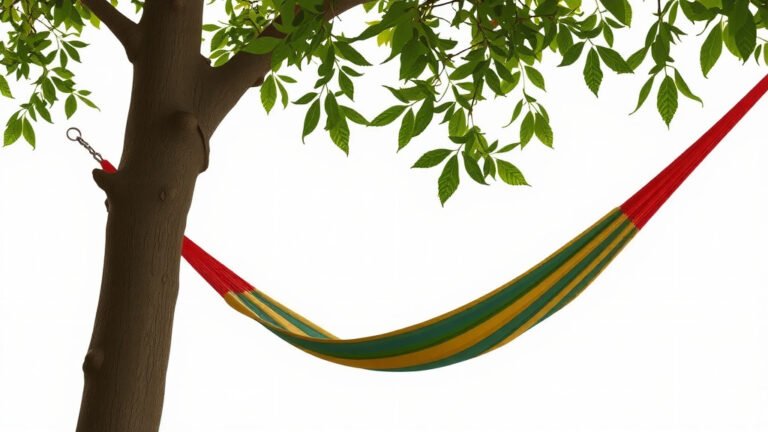
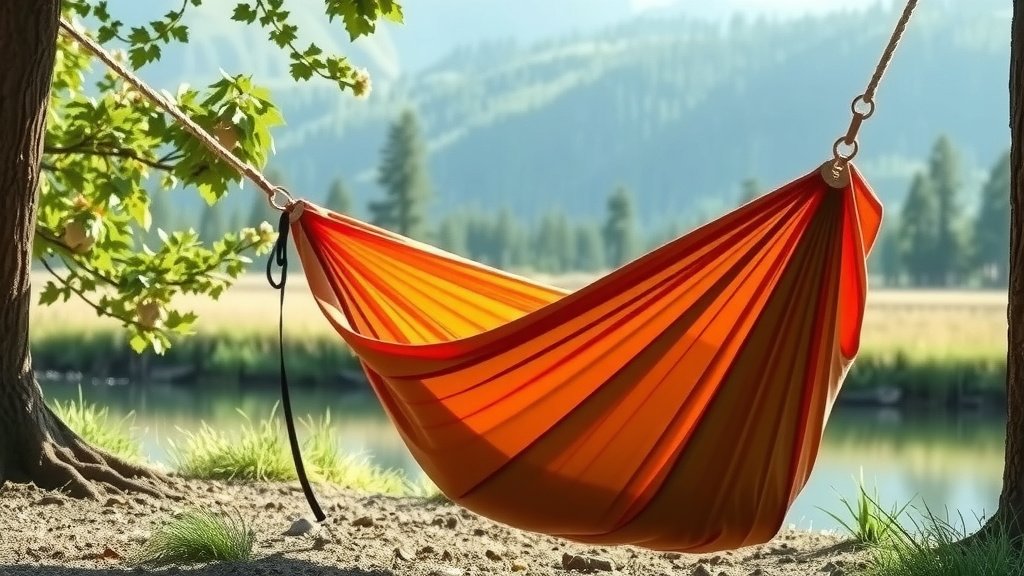
Wrap your suspension straps around the base of each tree. Make sure they are snug and secure. Then, connect your hammock to the straps using carabiners or other connectors provided with your system. It’s important to get the right tension and sag. Too tight, and it’s uncomfortable. Too loose, and you might sag too much.
Adding Your Tarp and Bug Net
Drape your tarp over your hammock. Secure the corners to the ground or to nearby objects to create an angled roof. If you have a bug net, enclose your hammock with it. Many bug nets attach to the hammock itself. This ensures you’re fully protected from insects. Setting this up before you get into your hammock is usually best!
Who is Hammock Camping For?
Hammock camping appeals to a wide range of outdoor enthusiasts. It’s not just for the ultralight backpacker. Here’s who might enjoy it most.
The Weight-Conscious Traveler
If you love long hikes and want to shave off every possible ounce from your pack, hammock camping is a dream. We found that a complete hammock setup can often weigh less than a lightweight tent, poles, and sleeping pad. This reduces overall burden considerably.
The Comfort Seeker
Contrary to what some might think, hammocks can be incredibly comfortable. Many users report feeling like they’re sleeping on a cloud. The ability to adjust your hang and the lack of pressure points contribute to a restful night’s sleep. Research suggests that sleeping in certain positions can promote better spinal alignment, and many find hammocks conducive to this (Cleveland Clinic).
The Adventurous Explorer
Hammock camping opens up new camping possibilities. You can set up camp over a stream, on a rocky slope, or even on a narrow ridge. If traditional campsites are full, or if you simply want to sleep somewhere unique, a hammock makes it possible. It allows you to camp in places where a tent would be impractical or impossible.
Is Hammock Camping Right For You? A Quick Checklist
Consider these points to see if this style of camping fits your needs and preferences.
- Do you enjoy sleeping outdoors?
- Are you looking to lighten your backpacking load?
- Do you want to camp in areas where tent camping is difficult?
- Are you comfortable with a bit of gear setup?
- Does the idea of sleeping suspended sound appealing?
Conclusion
Hammock camping offers a wonderfully liberating way to experience the outdoors. You can find unparalleled comfort and enjoy unique sleeping locations. By ditching the ground, you lighten your load and open up new possibilities for adventure. We found that the right gear and a good setup make all the difference. Ready to try sleeping among the trees? Your next adventure awaits!
Frequently Asked Questions
Is hammock camping comfortable for side sleepers?
Many hammock campers find they can sleep comfortably on their side. The key is achieving the right “hang” with a good sag in your hammock. Some hammocks are designed to lay flatter, which also helps side sleepers find a natural position. Experimenting with your setup is important.
How do you stay warm enough in a hammock?
Staying warm in a hammock often involves an underquilt. This insulated layer hangs beneath your hammock, trapping your body heat. A sleeping bag alone can leave you feeling cold because your body weight compresses its insulation. An underquilt prevents this “cold butt” syndrome.
Can you hammock camp in the winter?
Yes, with the right gear, hammock camping is possible in winter. You’ll need a more robust underquilt and possibly an overquilt for extra warmth. Ensuring your tarp is set up to block wind is also critical. Proper preparation is key for cold-weather camping.
Are hammocks safe for sleeping all night?
When set up correctly with healthy trees and reliable suspension, hammocks are very safe. Always double-check your straps and connection points before getting in. Avoid using trees that are damaged or look unhealthy. Reputable gear manufacturers design their products for safe overnight use.
What if I can’t find two trees that are the right distance apart?
If trees aren’t ideally spaced, you have a few options. You can use a hammock suspension system with adjustable straps to accommodate a wider range. Some people bring trekking poles or small tarp poles to create a freestanding setup for their hammock if natural anchors aren’t available. You can also adjust your hammock’s sag to make it work.