What is a Hammock Tent: Your Ultimate Guide
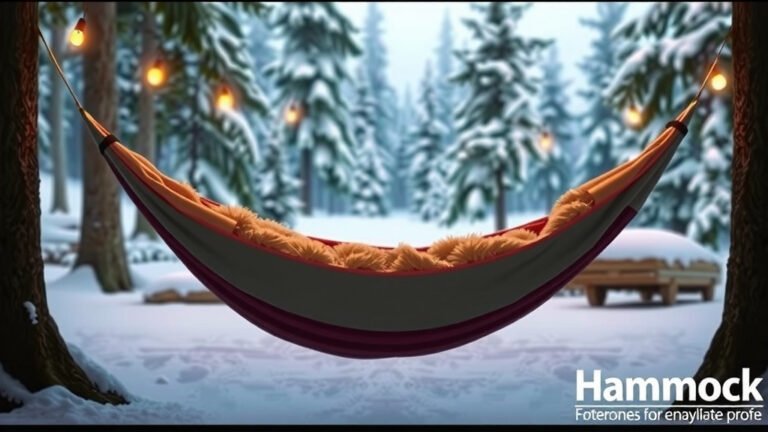
A hammock tent is essentially a hybrid camping shelter that combines the comfortable suspension of a hammock with the protective structure of a tent. It allows you to sleep off the ground, away from bugs and uneven terrain, while still offering weather protection and bug netting. Think of it as your elevated, portable bedroom for the outdoors.
This innovative gear is designed for backpackers and campers who want a lightweight and comfortable alternative to traditional tents. You get the joy of sleeping in a hammock, but with the added benefit of a fully enclosed space. Many users find it a fantastic way to enjoy nature without the common discomforts of ground camping.
- Combines hammock comfort with tent protection.
- Sleeps you off the ground, away from bugs and rocks.
- Offers a fully enclosed, safe camping space.
- Great for backpacking and outdoor adventures.
- A comfortable alternative to ground tents.
Ready to see if this unique shelter is right for your next adventure? We’ve gathered all the essential details to help you understand what a hammock tent is and why it might be your new favorite piece of gear.
Understanding the Hammock Tent Concept
So, what exactly is this hybrid shelter we’re talking about? At its core, a hammock tent is a clever combination of two camping staples. You get the suspended comfort of a hammock and the protective shell of a tent, all rolled into one. This means you can enjoy sleeping like you’re floating on air, without worrying about the downsides of traditional ground camping.
How It Works: The Mechanics of Your Elevated Sleep
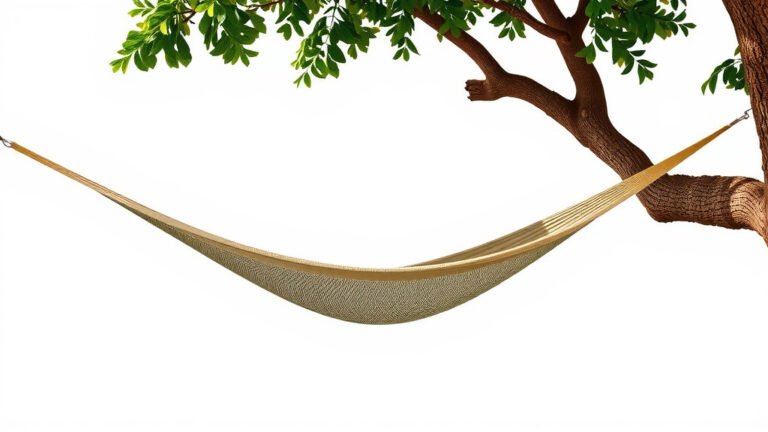
Imagine a hammock, but with walls and a roof that attach directly to it. That’s essentially what you’re getting. Most hammock tents use a suspension system, much like a regular hammock, to hang between two anchor points, usually trees. This keeps you elevated off the ground. Then, a waterproof rainfly and a bug-proof mesh netting are incorporated into the design, creating an enclosed space.
Suspension Systems: Hanging Your Home Away From Home
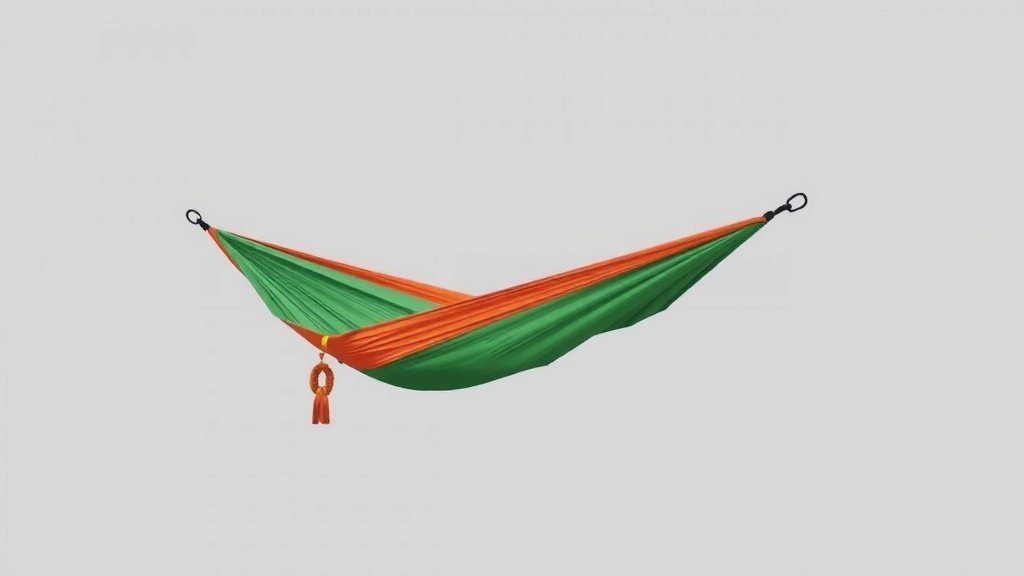
The suspension is key. You’ll typically find tree straps or webbing that loop around your anchor points. From there, a system of cords and carabiners connects to the tent body. We found that researching the weight limit and the ease of use for these systems is super important before you buy. Some systems are quicker to set up than others.
The Tent Structure: Your Cozy Enclosure
The tent portion itself is usually made of lightweight, durable materials. You’ll have a waterproof rainfly to keep you dry during wet weather. Inside, a fine mesh keeps out all those pesky insects. This is a huge win for many campers who hate dealing with mosquitoes or other creepy crawlies. It creates a secure and comfortable personal space.
The Benefits of Sleeping Elevated
Why would you choose to sleep in a hammock tent over a traditional ground tent? There are several compelling reasons. Primarily, it’s about comfort and avoiding common camping annoyances. We found that many users rave about the lack of pressure points when sleeping in a hammock, which can lead to a more restful night.
Avoiding Ground-Level Issues
Sleeping off the ground is a big deal. You automatically avoid uneven terrain, rocks, and roots that can poke and prod you all night long. Plus, you’re completely protected from ground moisture and puddles if it rains. No more waking up feeling damp or with a sore back from an awkward sleeping surface!
Bug-Free Bliss
This is a major selling point. The integrated bug netting acts as a barrier, keeping mosquitoes, gnats, and other biting insects at bay. Many experts say that proper insect protection is vital for an enjoyable camping trip (CDC). This feature means you can relax and sleep soundly without the constant need for bug spray inside your shelter.
Lightweight and Packable Design
For backpackers, weight is everything. Hammock tents often weigh less than comparable two-person ground tents. They also tend to pack down quite small. This makes them an attractive option for those who need to carry all their gear on their back. You can save precious ounces and space in your pack.
Are Hammock Tents for Everyone?
While the idea is appealing, it’s wise to consider who might benefit most and if it fits your camping style. They aren’t a one-size-fits-all solution, but for many, they are a game-changer. We found that understanding your typical camping environment is key.
Ideal Camping Scenarios
Hammock tents truly shine in environments with plenty of trees or sturdy anchor points. Think forested campgrounds, backcountry trails, or even backyard camping. If you’re camping in wide-open desert areas or places with very few trees, a hammock tent might not be the best choice. You need those anchor points to hang your shelter.
The Need for Anchor Points
This is the biggest limitation to be aware of. Without suitable trees or posts spaced correctly, your hammock tent won’t work. It’s worth checking the required distance between anchor points for any model you consider. Some are more flexible than others, but the fundamental need remains.
Considering Weather and Comfort
While the rainfly offers protection, extreme weather might still pose challenges. Very high winds can sometimes buffet a suspended tent more than a ground-based one. Also, while many find them incredibly comfortable, a small percentage of people might experience motion while shifting positions. It’s a bit like sleeping on a gentle boat.
Here’s a quick checklist to help you decide if this might be your next camping buddy:
- Do you camp in areas with plenty of trees?
- Do you hate sleeping on uneven ground?
- Are you looking for a lightweight shelter option?
- Is bug protection a high priority for you?
- Do you want a unique and comfortable sleeping experience?
- Are you willing to test out a new way of sleeping?
Key Components of a Hammock Tent
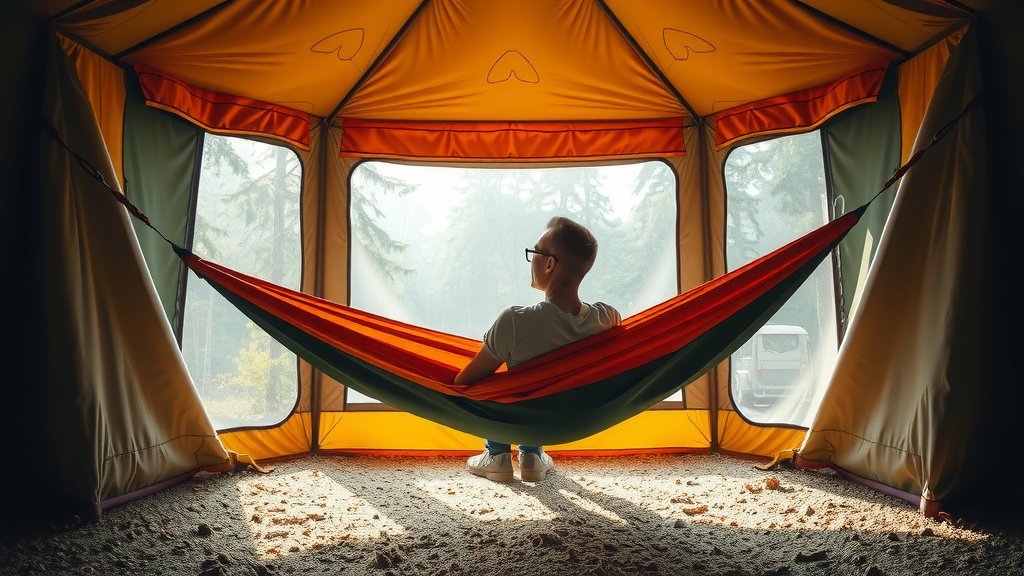
To really get a handle on what makes a hammock tent tick, let’s break down its main parts. Understanding these components will help you appreciate the engineering and choose the right one for your needs. We found that knowing these parts makes shopping much easier.
The Hammock Body
This is the core part where you actually sleep. It’s typically made from a strong, lightweight nylon fabric. The design distributes your weight evenly, providing that signature hammock comfort. It’s usually spacious enough for one person, though double hammocks are also available.
The Integrated Bug Netting
This is usually a fine mesh that zips all around the hammock body. It’s the primary defense against insects. We found that the zipper quality and the mesh fineness are important factors for durability and effectiveness. A good net means a peaceful night’s sleep.
The Rainfly (Tarp)
This is the waterproof outer layer. It often attaches over the bug netting and provides protection from rain, dew, and even sun. Materials like silnylon or silpoly are common. The size and shape of the rainfly determine the amount of coverage you get. A larger fly offers more protection from wind and rain.
The Suspension System
As mentioned, this is how you hang the tent. It includes straps, ropes, and sometimes structural ridgelines. The quality of the suspension affects both setup ease and safety. Many systems are adjustable, allowing you to get the perfect hang. Always check the weight capacity of the straps and all connection points.
Support Poles (Optional)
Some hammock tent designs incorporate lightweight poles. These poles help to expand the interior space, creating more headroom and reducing the feeling of being enclosed. They can also help keep the bug netting further away from your face. We found that poles significantly improve the living space inside.
Conclusion
You’ve learned that a hammock tent is your elevated, bug-free sanctuary. It blends hammock comfort with tent protection, keeping you off the ground and away from pests. Remember, it’s ideal for wooded areas with sturdy trees. If you seek a unique, comfortable, and lightweight camping experience, researching models that fit your style is your next step. Consider your typical camping spots and test one out for your next adventure!
Frequently Asked Questions
How do I choose the right anchor points for my hammock tent?
You’ll need two sturdy trees or posts spaced correctly for your hammock tent. Always check the recommended distance for the specific model you choose. Ensure the anchor points are healthy and strong enough to support your weight and the tent’s structure.
Can a hammock tent be set up without trees?
While trees are the most common anchor, you can sometimes use sturdy posts or even a hammock stand. Some specialized setups might involve trekking poles, but this is less common and requires careful planning. Your best bet for a stable setup is usually natural anchor points.
What’s the difference between a hammock tent and a regular hammock with a bug net?
A hammock tent typically includes an integrated rainfly, offering full weather protection like a tent. A regular hammock with a bug net mainly protects you from insects and offers minimal rain cover. The hammock tent provides a more complete, enclosed shelter system.
Are hammock tents comfortable for side sleepers?
Many users find hammock tents surprisingly comfortable, even for side sleeping. The key is often finding the right hang angle and using a suitable sleeping pad to distribute your weight evenly. Some designs offer more space, making it easier to shift positions.
How do I deal with cold weather in a hammock tent?
For colder conditions, you’ll need to insulate yourself well. Use a sleeping bag rated for lower temperatures and consider an underquilt, which hangs beneath the hammock and prevents heat loss. Adding a thicker sleeping pad can also help keep you warm.