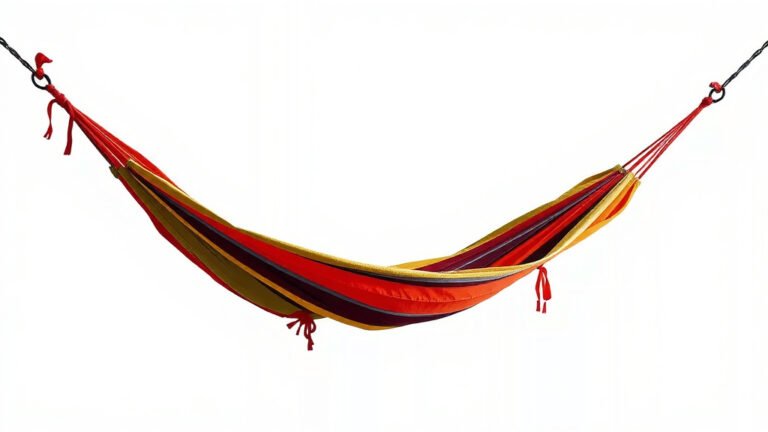
Hammock Camping in Bear Country: Stay Safe
Yes, you absolutely can hammock camp in bear country with the right precautions. The key is to properly store your food and scented items away from your sleeping area. This means using a bear canister or hanging a bear bag at least 100 yards from your campsite. Always keeping your food away from your tent, or in this case, your hammock, is essential for safety. You want to avoid attracting unwanted visitors while you sleep soundly.
Hammock camping offers a unique way to experience the backcountry. But when bears are around, your setup needs extra thought. It’s not just about finding two sturdy trees. You need to think about your entire camp as a potential attractant. This includes your cooking area, where you store your backpack, and of course, your sleeping spot. We found that understanding bear behavior is the first step to a safe trip.
- Store all food and scented items away from your hammock.
- Use a bear canister or hang a bear bag at least 100 yards away.
- Cook and eat well away from your sleeping area.
- Keep your hammock area clean and free of food smells.
- Know the local bear safety regulations for the area you’re visiting.
Let’s walk through exactly how to set up your bear-aware hammock camp so you can enjoy your trip with peace of mind.
Hammock Camping Safely in Bear Country
You absolutely can enjoy the freedom of hammock camping even where bears roam. It just requires a little extra planning. The main goal is to ensure bears aren’t attracted to your sleeping spot. We found that understanding their senses, especially smell, is key.
Setting Up Your Bear-Aware Campsite
When you arrive at your chosen campsite, don’t just look for the perfect trees for your hammock. You need to consider the entire area. Think of your campsite as a potential buffet for a curious bear. We found that mapping out your sleeping, cooking, and storage zones is a smart first step.
Choosing Your Hammock Location
Pick trees that are healthy and sturdy. Avoid setting up your hammock too close to dense brush or game trails. Bears often use these areas for travel. Many experts suggest leaving at least 100 yards between your sleeping area and any potential food sources or cooking zones. This separation is vital for your safety.
The Art of Food Storage
This is arguably the most important part of camping in bear country, regardless of your sleeping setup. Bears have an incredible sense of smell. They can detect food from miles away. You must store all food, toiletries, and anything with a scent properly.
Bear Canisters vs. Bear Bags
You have two main options for food storage. A bear-resistant canister is a hard-sided container that bears cannot open. These are often required in specific parks and can be a bit bulky. Many guidelines recommend them for their reliability (National Park Service).
Alternatively, you can use a bear bag. This involves hanging your food bag using a rope. The trick is to hang it high enough and far enough from the tree trunk that a bear can’t reach it. Many experienced campers found that a pulley system can make this easier.
Proper Hanging Techniques
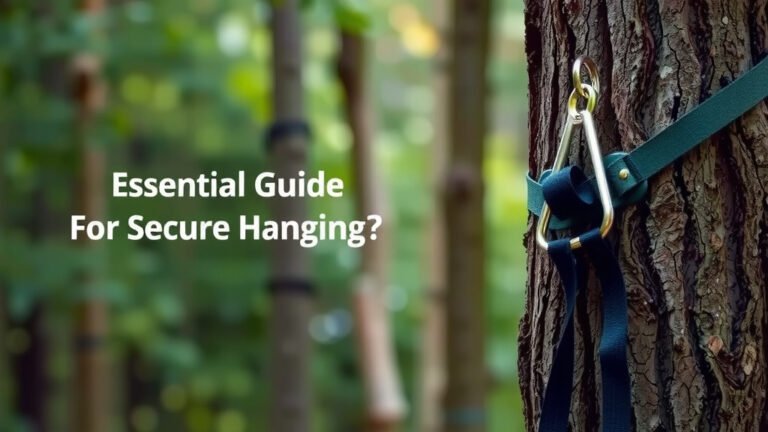
If you opt for a bear bag, remember the 100-yard rule. Hang your food at least 100 yards downwind from your hammock. Your cooking area should also be at least 100 yards away. The PCT Association suggests hanging bags at least 10 feet off the ground and 4 feet away from the tree trunk. This makes it difficult for bears to climb or stretch to reach your supplies.
| Method | Pros | Cons | Best For |
|---|---|---|---|
| Bear Canister | Highly effective, often required, protects against all smells. | Heavy, bulky, can be difficult to pack. | Areas with strict regulations, longer trips. |
| Bear Bag (Hanging) | Lighter, less space-consuming, can be effective if done correctly. | Requires skill and proper technique, can be accessed by determined bears if not hung perfectly. | Experienced campers, areas without strict canister rules. |
Bear-Proofing Your Cooking and Eating Area
Cook and eat your meals well away from where you sleep. This means your hammock. Try to eat at least 100 yards from your hammock, ideally downwind. Clean up thoroughly after every meal. Wash dishes immediately and pack out all food scraps and wrappers. Don’t leave anything behind that smells like food. Many researchers found that even a small crumb can attract a bear (US Forest Service).
Cleaning Up Scents
Think about everything you bring that might have a smell. This includes toothpaste, sunscreen, bug spray, and even your trash. Store these items in your bear canister or bear bag along with your food. Never store scented items inside your hammock or tent. Wipe down your cooking area and utensils to remove any lingering odors.
What About Your Backpack?
Your backpack likely has food smells clinging to it. It can also hold other scented items. Experts often recommend storing your backpack with your food, at least 100 yards away from your hammock. If you can’t do this, at least keep it sealed in a garbage bag to minimize its scent.
Smart Practices for a Peaceful Night’s Sleep
Even with proper food storage, it’s wise to be prepared. Bears are wild animals, and unexpected encounters can happen. Staying aware and taking simple precautions will greatly reduce your risk.
Know Your Bear Species
Different bear species have different behaviors. Knowing if you’re in grizzly country or black bear territory can inform your safety measures. Grizzly bears are generally more aggressive than black bears. Always research the specific wildlife in the area you plan to visit.
Make Some Noise
Bears typically want to avoid humans. Making noise while you hike can help alert them to your presence. This gives them a chance to move away before you encounter them. Singing, talking, or clapping your hands periodically can be effective. Bear bells are sometimes recommended, but many experts find they aren’t loud enough (Alaska Department of Fish and Game).
Keep Your Hammock Area Tidy
Don’t bring food or strong-smelling items into your hammock. This is your sleeping sanctuary. Keeping it free of any food residue is crucial. Even a tiny bit of grease or sugar can draw attention. Your goal is to make your sleeping area smell as neutral as possible.
Emergency Preparedness
Carry bear spray and know how to use it. Keep it accessible, not buried in your pack. Many park services strongly advise carrying bear spray in bear country. Always follow local regulations regarding bear spray and food storage. Your safety is the top priority.
Here’s a quick checklist to keep you on track:
- Store all food and scented items 100+ yards away.
- Use a bear canister or hang a bear bag correctly.
- Cook and eat far from your hammock.
- Clean up all food scraps and odors.
- Keep your hammock area scent-free.
- Carry bear spray and know how to use it.
Conclusion
Hammock camping in bear country is entirely achievable with the right approach. You’ve learned that the core principle is keeping bears from associating your sleeping area with food. By consistently storing all food and scented items at least 100 yards away, cooking far from your hammock, and meticulously cleaning up, you create a safe environment. Remember to always research local regulations and carry bear spray. Plan your trip with these bear-aware strategies, and you’ll be well on your way to a peaceful night under the stars.
Frequently Asked Questions
How do I make sure my bear bag is hung correctly?
You need to hang your bear bag at least 10 feet off the ground and 4 feet away from the tree trunk. This prevents bears from reaching it by climbing or stretching. Hanging it downwind and at least 100 yards from your hammock is also key.
Can I store my backpack inside my hammock?
No, you absolutely should not store your backpack inside your hammock. Your backpack can carry food odors. Experts recommend storing it with your food and scented items, at least 100 yards away from your sleeping area.
What if I forget to pack out a small food scrap?
Even a tiny food scrap can attract a bear. Always double-check your campsite for any missed wrappers, crumbs, or spills. Pack out everything you pack in, including all food waste, to maintain a scent-free area.
Are bear bells really effective in bear country?
Many experts find that bear bells are not loud enough to consistently alert bears to your presence. It’s better to make noise by talking, singing, or clapping your hands periodically as you hike. This gives bears a chance to move away.
Do I need a bear canister if I’m only camping for one night?
Even for a single night, proper food storage is vital. If bear canisters are required by local regulations, you must use one. Otherwise, a correctly hung bear bag is effective. The key is distance and proper technique, regardless of trip length.