What Is a Hammock Bug Net? Your Ultimate Guide
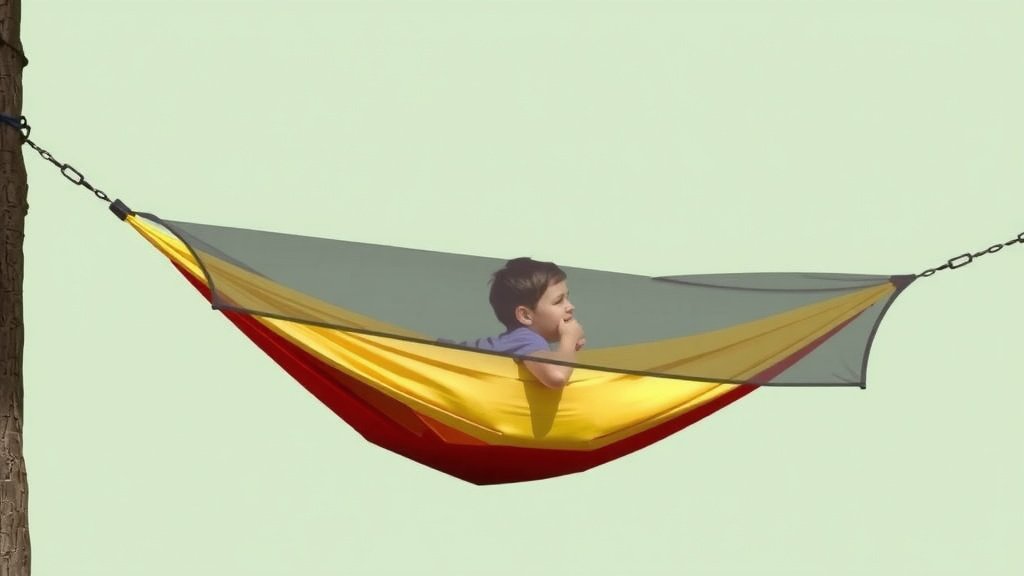
A hammock bug net is a lightweight mesh enclosure that zips around your hammock. Its main job is to keep pesky insects like mosquitoes, gnats, and spiders out. This way, you can enjoy sleeping or relaxing in your hammock without getting bitten or bothered. Think of it as your personal, portable force field against bugs.
Many campers and backpackers find these nets to be a game-changer for comfort. Without one, bugs can quickly ruin an otherwise perfect outdoor experience. A good bug net ensures your hammock time is about peace and quiet, not swatting flies. It’s a simple solution for a common outdoor annoyance, making your adventures much more enjoyable.
- A hammock bug net is a mesh shield.
- It stops bugs from getting into your hammock.
- It helps you sleep and relax outdoors.
- It’s lightweight and easy to use.
- Enjoy bug-free hammock time!
Ready to discover how a hammock bug net can transform your next outdoor trip? Let’s dive into what makes these nets so helpful for adventurers.
So, you’re ready to level up your hammock game and say goodbye to those itchy, buzzing intruders. That’s where the mighty hammock bug net comes in! It’s a clever piece of gear designed to create a safe haven for you, suspended between two trees.
Understanding Your Hammock’s Shield: What a Bug Net Does
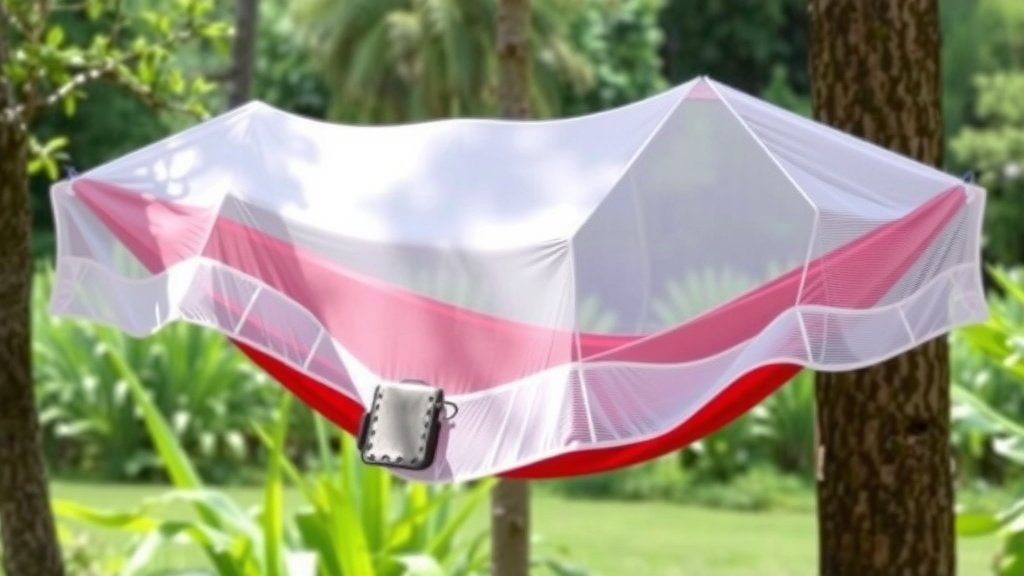
Essentially, a hammock bug net is a fine mesh enclosure. It wraps around your hammock, usually zipping closed. Its primary purpose is to keep all sorts of creepy crawlies out. Think mosquitoes, biting flies, gnats, spiders, and even ants.
The goal is simple: uninterrupted relaxation. No more swatting yourself silly or waking up covered in bites. This net turns your hammock into a cozy, protected sanctuary. It lets you enjoy the sounds of nature without becoming part of the local food chain for insects.
The Simple Science Behind Bug Net Protection
How does it work? It’s all about the mesh size. The holes in the fabric are tiny. They’re small enough to stop insects from passing through. Yet, they’re large enough to allow for good airflow. This means you won’t feel like you’re trapped in a sauna.
Many designs come with elastic or drawstring closures. These help create a tight seal. This ensures there are no sneaky gaps for bugs to exploit. You just zip yourself in, and you’re good to go. It’s pretty straightforward protection.
Why You Might Need One: Common Bug Problems
Let’s be honest, bugs can ruin a good time outdoors. Especially during warmer months or in humid climates. Mosquitoes can leave you with annoying, itchy welts. Gnats can swarm around your face, making it impossible to relax. Spiders might make an unexpected appearance, causing a scare.
Research from organizations like the CDC highlights the nuisance and potential health risks of insects. Mosquitoes, for instance, can transmit diseases. While a bug net isn’t a substitute for insect repellent in all situations, it offers a physical barrier. This significantly reduces your exposure.
We’ve all been there: trying to read a book or take a nap in a hammock. Then, a cloud of mosquitoes descends. Suddenly, your peaceful moment becomes a frantic battle. A bug net eliminates this possibility. It lets you truly unwind.
Key Features to Look For in a Hammock Bug Net
When you’re shopping for a hammock bug net, a few features stand out. These will help you find one that works best for your needs. You want something that’s effective, durable, and easy to use.
Material Matters: Mesh Density and Durability
The most important aspect is the mesh quality. Look for fine mesh, often around 1000-2000 holes per square inch. This is usually sufficient to block most common biting insects. Some nets use military-grade mesh for extra durability and protection.
You also want the net to be made from tough material. Nylon or polyester are common choices. They should be able to withstand some snagging or stretching without tearing. Check the stitching as well. Well-made seams contribute to the overall lifespan of the net.
Size and Fit: Ensuring Full Coverage
Hammock bug nets come in various sizes. Some are designed to fit specific hammock models. Others are more universal. You need to ensure the net is long enough and wide enough to cover your entire hammock. If it’s too short, you’ll have gaps.
Many nets are designed to be suspended above your hammock. This creates a spacious interior. You shouldn’t feel cramped inside. Some even have an extra hoop or structure to keep the mesh away from your face. This prevents that annoying feeling of bugs crawling on you through the mesh.
Ease of Use: Setup and Access
A good bug net should be easy to set up. Many simply hang from your hammock suspension system. Look for clear instructions and minimal fuss. You don’t want to spend ages wrestling with it when you could be relaxing.
Access is also key. Most nets have a zippered entry. Make sure the zipper is smooth and durable. It should be easy to open and close from inside or outside the net. Some have double zippers, allowing you to open it from either end. This adds convenience.
Weight and Packability: For the Trail
If you plan to take your hammock and bug net on the trail, weight and size matter. Look for nets that are lightweight and compact when packed. Many ultralight options are available. These use advanced materials to save grams without sacrificing protection.
A good bug net should pack down small. It should easily fit into your backpack without taking up too much space. This is crucial for backpackers and thru-hikers. You want gear that is functional but doesn’t weigh you down.
Comparing Bug Nets: What Fits Your Style?
Not all bug nets are created equal. Some are basic, while others offer more features. Understanding the differences can help you choose the right one for your adventures.
| Feature | Basic Net | Deluxe Net | Integrated Net Hammock |
|---|---|---|---|
| Mesh Quality | Standard fine mesh | Extra-fine or military-grade mesh | Standard or extra-fine mesh |
| Setup | Hangs from suspension | Hangs from suspension, may have spreader bar | Already attached to hammock |
| Weight | Lightweight | Slightly heavier, depending on features | Can be heavier due to integrated design |
| Price | Most affordable | Mid-range to high | Varies, can be higher than separate components |
| Best For | Casual use, budget-conscious | Serious bug environments, comfort seekers | Convenience, ultralight backpacking |
Standalone Nets vs. Integrated Hammocks
You have two main choices: a standalone bug net that you add to your existing hammock, or an integrated bug net hammock. The standalone option offers flexibility. You can use it with any hammock you own. It’s often more budget-friendly.
An integrated hammock already has the bug net built-in. This means no separate setup for the net. It’s often designed for a perfect fit. This can be a great space and weight saver for backpackers. However, if the net gets damaged, you might need to replace the whole hammock.
Full Coverage vs. Half Nets
Most hammock bug nets offer full, 360-degree coverage. This is what we’ve discussed so far. There are also “half” or “three-quarter” nets. These cover the bottom and sides but leave the top open. They might have a mosquito net canopy overhead.
Full coverage nets are generally preferred for serious bug protection. They offer complete peace of mind. Half nets can be lighter and offer more airflow. They might be suitable for areas with fewer biting insects. Always consider the bug pressure where you’ll be camping.
Making the Most of Your Hammock Bug Net: Quick Tips
To get the best experience with your new bug net, here are a few things to keep in mind.
- Inspect before use: Always check for holes or tears.
- Proper setup is key: Ensure a snug fit and no gaps.
- Use with a tarp: This provides additional protection from rain and sun.
- Keep it clean: Wash it periodically to remove dirt and debris.
- Practice entry/exit: Get comfortable zipping yourself in and out.
Conclusion
You’ve learned that a hammock bug net is your essential shield against outdoor annoyances. It offers a simple yet effective way to enjoy your hammock without the constant buzz of insects. By understanding mesh size, fit, and ease of use, you can find the perfect net for your needs.
Whether you’re car camping or backpacking, a bug net transforms your hammock into a true sanctuary. Ready to experience undisturbed relaxation? Your next step is to research specific models that match your camping style and budget. Get ready for bug-free hammock adventures!
Frequently Asked Questions
How do I set up a hammock bug net?
Most hammock bug nets attach to your hammock’s existing suspension system. You’ll typically drape the net over your hammock and secure it using built-in loops or clips. Some designs may require a separate ridgeline for support.
Can I use a bug net with any hammock?
Yes, most standalone bug nets are designed to be universal. They should fit most standard-sized hammocks. Always check the dimensions of the net against your hammock to ensure complete coverage and a good fit.
Are hammock bug nets effective against all insects?
Hammock bug nets are highly effective against mosquitoes, gnats, flies, and spiders due to their fine mesh. For smaller insects like no-see-ums, look for nets with extra-fine mesh (often rated at 2000 holes per square inch or higher).
How do I clean my hammock bug net?
You can usually clean your bug net by hand washing it with mild soap and cool water. Rinse it thoroughly and let it air dry completely before storing it. Avoid machine washing or harsh detergents, as these can damage the mesh.
What’s the difference between a standalone bug net and an integrated one?
A standalone bug net is a separate piece of gear you add to your hammock. An integrated bug net hammock has the mesh permanently attached and zipped to the hammock itself. Integrated nets offer convenience, while standalone nets provide more flexibility.