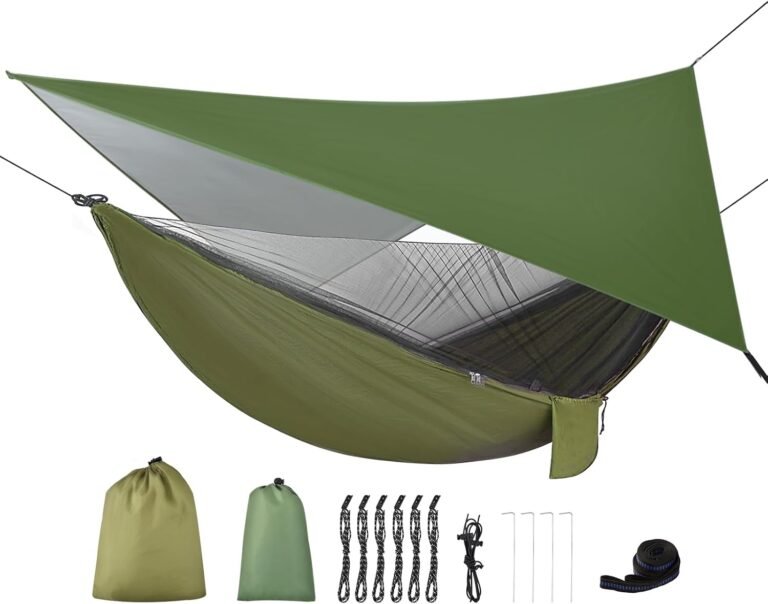
How to Wash Hammock Straps: A Complete Guide
The easiest way to wash hammock straps is to toss them in a mesh laundry bag and run them through a gentle machine cycle with cold water and mild detergent. You can also hand wash them in a sink with warm soapy water if you prefer a more careful approach. Always air dry your straps completely before storing them to prevent mold and mildew from forming.
Dirty hammock straps not only look bad, but they can also weaken the fabric over time. Dirt and grit act like sandpaper, slowly fraying the fibers and making your straps less safe to use. Regular cleaning also removes sweat, tree sap, and bug spray residue that can degrade the material. Clean straps last longer and keep your hammock setup feeling fresh and ready for your next adventure.
- Pre-clean: Brush off loose dirt and spot-treat stubborn stains like sap or grease before washing.
- Machine wash: Place straps in a mesh laundry bag on a gentle cycle with cold water and mild detergent.
- Hand wash option: Soak in a sink with warm water and a few drops of dish soap, then scrub gently with a soft brush.
- Rinse thoroughly: Make sure all soap is rinsed out completely, as leftover detergent can attract more dirt.
- Air dry only: Hang straps up to dry fully; never put them in the dryer, as heat can damage the nylon or polyester.
Below, we walk you through the easiest methods for washing your hammock straps, including how to treat tough stains and keep your gear in top shape. Let us show you exactly how to get them clean and ready for your next hangout.
Washing Your Hammock Straps Like a Pro
You don’t need fancy gear to get your straps fresh again. Most straps are made from nylon or polyester webbing. Both materials handle water and mild soap really well. We found that a simple cleaning routine every few months keeps them strong and looking new.
The trick is knowing what not to do. Heat is your enemy. So are harsh chemicals like bleach or fabric softeners. We found that sticking to cold water and gentle soap protects the fibers that hold your weight. That is the whole game right there.
Why Clean Straps Are Safer Straps
Dirt is not just ugly; it is destructive. Tiny grit particles work their way between the woven fibers. Every time you move or shift your weight, those particles grind against the material. It is like rubbing sandpaper on a rope.
Many guidelines point to regular gear maintenance as a key factor in equipment longevity (National Park Service). Clean straps allow you to inspect for fraying or damage more easily. You cannot spot a weak spot if it is covered in mud and sap.
The Hidden Danger of Chemical Buildup
Think about everything your straps touch. Sunscreen, bug spray, and body oils all leave a residue. We found that these chemicals can break down synthetic fibers over time. Even tree sap contains acids that weaken nylon.
That sticky residue also picks up more dirt. It creates a cycle where your straps get dirtier faster each time you use them. A simple wash breaks that cycle and keeps the material flexible and strong.
Gathering Your Supplies for the Task
You probably have everything you need already. We found that most people do. The process is simple, but having the right tools makes it easier. Here is what we recommend keeping on hand:
- Mesh laundry bag (protects straps from tangling)
- Mild liquid detergent (free of bleach and dyes)
- Soft-bristled brush (old toothbrush works great)
- White vinegar (natural deodorizer)
- Clean towels for drying
Skip the fabric softener. It leaves a waxy coating that traps dirt. We found that softener also reduces the friction grip of the straps, which can make them slip. You want clean, not coated.
Spot-Treating Stubborn Stains First
Before you dunk the whole strap, take a look at the worst spots. Sap and grease need special attention. We found that a little pre-treatment saves you from washing twice.
For sap, rub a bit of rubbing alcohol on the spot with a cotton ball. The alcohol dissolves the sticky resin quickly. For grease or oil, apply a drop of dish soap directly to the area and work it in with your fingers.
Let the pre-treatment sit for about five minutes. Then rinse that area with cold water before the full wash. This simple step makes a big difference in the final result.
Brushing Off Loose Dirt and Debris
Do not skip this step. Dry dirt comes off much easier before water hits it. Use your soft brush or just shake the straps out hard. We found that knocking them against a tree or fence post loosens caked-on mud.
This prevents dirt from turning into mud paste in the wash cycle. Less grit in the water means less friction on the fibers. Your straps will thank you with a longer lifespan.
Step-by-Step Machine Washing Guide
Machine washing is the easiest method for most people. It is hands-off and thorough. We found that using a gentle cycle protects the webbing while still getting it clean.
Start by placing your straps inside the mesh laundry bag. Zip it up completely. This keeps the straps from wrapping around the agitator or getting tangled with other clothes.
Add your mild detergent to the machine. Set the temperature to cold or cool water. Use the gentle or delicate cycle if your machine has one. Let the cycle run completely.
Choosing the Right Detergent
Not all soaps are created equal. We found that simple, clear detergents work best. Avoid anything with brighteners, dyes, or heavy fragrances. These additives leave residue that attracts dirt.
Baby detergent is a great option. It is very mild and leaves almost no residue. Sport wash detergents also work well because they are designed to remove sweat and oils from technical fabrics.
Use about half the amount you would normally use for a load of laundry. Straps do not need heavy soap. Too much detergent is actually harder to rinse out completely.
When to Skip the Machine
If your straps are heavily damaged or you notice fraying, hand washing is safer. The machine agitation can worsen existing damage. We found that fragile gear benefits from a gentler touch.
Also, skip the machine if your straps have metal hardware that might scratch the drum. Some carabiners and buckles can damage the machine finish. Hand washing gives you full control over those parts.
How to Hand Wash Your Straps
Hand washing takes a little more time but gives you complete control. It is the best method for heavily soiled straps or delicate gear. Fill a sink or bucket with lukewarm water.
Add a few drops of dish soap or mild detergent. Swish the water to create some suds. Submerge your straps completely and let them soak for 10 to 15 minutes.
After soaking, gently scrub the straps with your soft brush. Pay extra attention to areas that touch your body and the tree bark. Work the soap through the fibers in a back-and-forth motion.
The Vinegar Rinse Trick
Vinegar is a secret weapon for smelly gear. We found that it neutralizes odors without leaving a strong smell behind. Add half a cup of white vinegar to the rinse water.
Soak the straps in the vinegar water for about five minutes. Then rinse thoroughly with clean cold water. The vinegar smell disappears as the straps dry, taking the stink with it.
Do not worry about the vinegar smell lingering. It evaporates completely once dry. Your straps will smell fresh and clean without any chemical perfume.
Rinsing Until the Water Runs Clear
Leftover soap is a magnet for dirt. We found that incomplete rinsing is the most common mistake people make. Rinse and squeeze, then rinse again.
Keep rinsing until no soap bubbles appear in the water. Squeeze the straps gently to remove excess water. Do not wring or twist them. Twisting can distort the weave and weaken the fibers.
Lay the straps flat on a clean towel and roll the towel up to press out more water. This gets them damp instead of dripping wet, which speeds up drying time.
Drying and Storing Your Straps Properly
Air drying is the only safe way to dry hammock straps. Heat damages synthetic fibers. We found that even low dryer heat can cause nylon to melt or become brittle over time. Never put straps in a dryer, period.
Hang your straps over a shower rod, clothesline, or sturdy branch. Make sure they are spread out and not bunched up. Good airflow is essential for even drying and preventing mildew.
How to Tell When They Are Fully Dry
Damp straps can hide moisture in the middle of the weave. The outside might feel dry while the inside stays wet. We found that this hidden moisture is the number one cause of mildew growth.
Press the straps between your fingers. If any coolness or dampness remains, they need more time. Flip them over halfway through drying to expose both sides to air.
Give them at least 12 to 24 hours to dry completely. A sunny day speeds up the process. Just avoid leaving them in direct sun for too long, as UV rays can degrade the fibers over time.
Smart Storage Habits for Longevity
Once dry, store your straps loosely coiled. Do not wrap them tightly around anything. Tight wrapping creates creases and stress points that weaken the material.
Keep them in a breathable cotton bag or just hang them in your gear closet. Avoid plastic bins that trap moisture. A cool, dry place away from direct sunlight is ideal.
We found that storing straps separately from your hammock body prevents accidental snags. The hardware can catch on the hammock fabric and cause small tears. Give them their own space.
Quick Care Checklist for Every Adventure
Regular maintenance is easier than you think. A few simple habits keep your straps in top shape all season long. We found that this checklist covers all the basics for hammock care:
- Shake off loose dirt before packing up camp
- Spot-clean sap and bug spray right after use
- Deep wash every three to four months with regular use
- Always air dry completely before storing
- Inspect for fraying or wear during every wash
- Store loosely coiled in a breathable bag
Make this a routine and your straps will last for years. A little care goes a long way. You put effort into choosing good gear, so protect that investment.
Common Mistakes That Damage Straps
We see the same errors over and over again. Most people make these mistakes without realizing the damage they cause. The good news is that all of them are easy to avoid.
Machine drying is the worst offender. High heat permanently damages synthetic webbing. Many experts say that heat is the fastest way to ruin outdoor gear. Always choose air drying instead.
The Fabric Softener Problem
Fabric softener might seem helpful, but it is terrible for straps. The waxy coating reduces friction. This means your straps can slip on the tree trunk, creating a dangerous situation.
Skip the dryer sheets too. The residue from these products builds up over time. We found that this buildup actually attracts more dirt and makes future cleaning harder.
Ignoring Small Damage
A tiny fray can become a big problem fast. Webbing failure happens suddenly and without warning. If you see loose threads or cuts, retire those straps immediately.
Replacement is cheaper than a hospital visit. Hammock straps are affordable and easy to swap out. Do not take chances with damaged gear. Your safety is worth more than the cost of new straps. If you need to replace worn straps, our guide to the best adjustable hammock straps can help you choose a durable set.
How Often Should You Wash Them
Frequency depends on how much you use your hammock. A weekend camper needs fewer washes than someone who hangs every day. We found that a good rule of thumb is every few months for regular use.
If you camp in dusty or sandy areas, wash more often. Saltwater exposure also requires a rinse after every trip. Salt crystals are sharp and abrasive. They can cut through fibers over time.
Signs That Your Straps Need Cleaning Now
Your straps will tell you when they need attention. Look for visible dirt lines or dark patches. Smell them too. A musty or sour odor means bacteria is growing.
Rough texture is another clue. Clean webbing feels smooth. If it feels gritty or sticky, that is residue buildup. We found that listening to these signs prevents bigger problems down the road.
Seasonal Deep Cleaning Routine
Set a reminder to wash your straps at the start of each season. Spring cleaning gets rid of winter storage dust. Fall cleaning removes summer sweat and bug spray buildup.
This simple habit keeps your gear ready at all times. You never know when a sunny afternoon will call for an impromptu hang. Clean straps mean you can grab your hammock and go without thinking twice.
Washing Straps with Hardware Attached
Carabiners, buckles, and rings can stay on during washing. The metal and plastic materials handle water just fine. We found that leaving them on simplifies the process.
Just make sure you dry them completely. Moisture can hide in the small crevices of hardware. That trapped water leads to rust or corrosion over time.
Protecting the Metal Parts
Wipe down metal hardware with a dry cloth after washing. Pay attention to the spring mechanisms in carabiners. These small parts need to move freely for safe operation.
If you see any rust forming, treat it immediately. A little corrosion can compromise the strength of the hardware. We found that a quick wipe with a rust remover keeps everything functioning smoothly.
When to Replace the Hardware
Inspect carabiners for cracks or deformities. Check that the gates close properly and lock securely. If anything feels off, replace the hardware. It is not worth
Conclusion
Washing your hammock straps is a simple task that pays off big time. You now know the full routine: pre-clean, wash gently, rinse well, and air dry completely. Cold water and mild soap are your best friends. Heat, fabric softener, and harsh chemicals are your biggest enemies.
Make strap cleaning part of your regular gear care. A quick wash every few months keeps the fibers strong and safe. You will also catch small damage before it becomes a serious problem.
Your next step is simple. Grab your straps, check them for wear, and give them a wash today. Your back will thank you on your next hang. Keep your gear clean and your adventures worry-free. For affordable replacements, check out our roundup of the best budget hammock straps.
Frequently Asked Questions
Can I wash hammock straps with my regular laundry?
Yes, you can wash straps with your clothes. Just place them in a mesh laundry bag first. This stops them from tangling around other items or the agitator. Use a gentle cycle with cold water.
Will bleach damage my hammock straps?
Never use bleach on hammock straps. Bleach breaks down nylon and polyester fibers quickly. It weakens the material that holds your weight. Stick to mild detergent and cold water for safe cleaning.
How do I get tree sap off my hammock straps?
Tree sap comes off best with rubbing alcohol. Dab a cotton ball in alcohol and rub the sticky spot gently. The sap dissolves fast without harming the webbing. Rinse the area with cold water after.
Can I use a washing machine on high spin speed?
Skip the high spin cycle for your straps. High spin puts too much stress on the webbing fibers. Use the gentle or delicate cycle instead. Your straps will come out just as clean without the extra wear.
How do I get mildew smell out of hammock straps?
Soak your straps in a mix of cold water and white vinegar. Use about half a cup of vinegar per sink of water. Let them soak for 30 minutes, then rinse thoroughly. Air dry completely in a sunny spot to kill remaining spores.