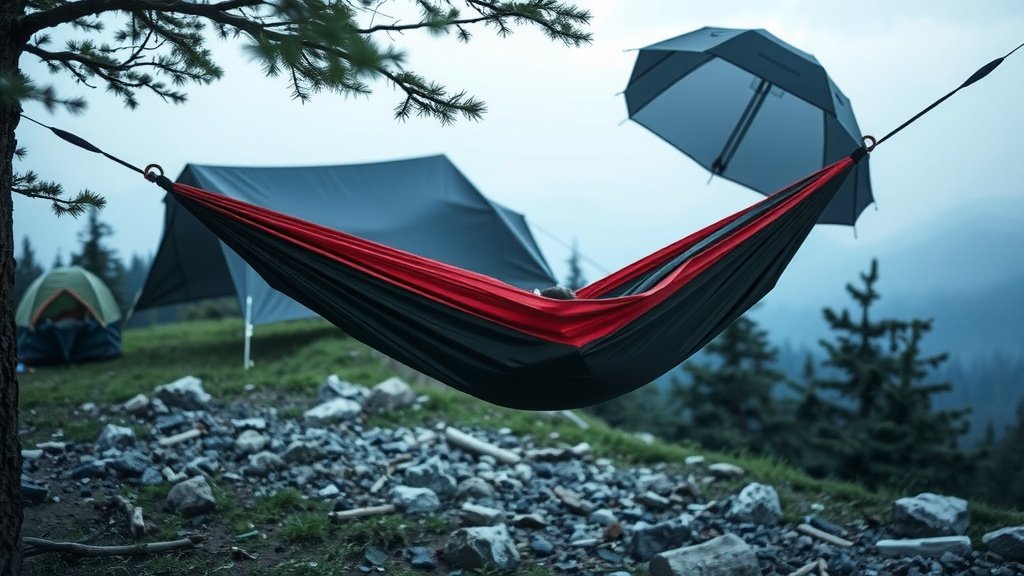
Hammock vs Tent: Which is Your Best Camping Choice
When deciding between a hammock and a tent for your outdoor adventures, the best choice depends on your priorities. For minimalist campers who love open-air sleeping and warm weather, a hammock often wins. However, if you need protection from the elements and bugs, or require more space, a tent is generally the superior option.
Both hammocks and tents offer a place to sleep under the stars. Hammocks provide a feeling of floating and can be incredibly comfortable for solo trekkers. Tents, on the other hand, offer a secure shelter and can house multiple people and gear, making them a more versatile choice for various camping conditions and group sizes.
- Hammocks are great for solo, warm-weather camping.
- Tents offer better protection from weather and bugs.
- Consider your camping style and group size.
- Hammocks are lighter and pack smaller.
- Tents offer more privacy and space.
Let’s break down the differences so you can figure out which one is truly the right fit for your next trip.
“`htmlChoosing Your Outdoor Sleep System: Hammock vs. Tent
So, you’re heading outdoors and wondering if a hammock or a tent is your best bet for sleeping. It’s a classic camping conundrum! Both can get you sleeping under the stars, but they offer vastly different experiences. We’ve looked into what makes each one tick to help you decide.
The Hammock Advantage: Freedom and Minimalism
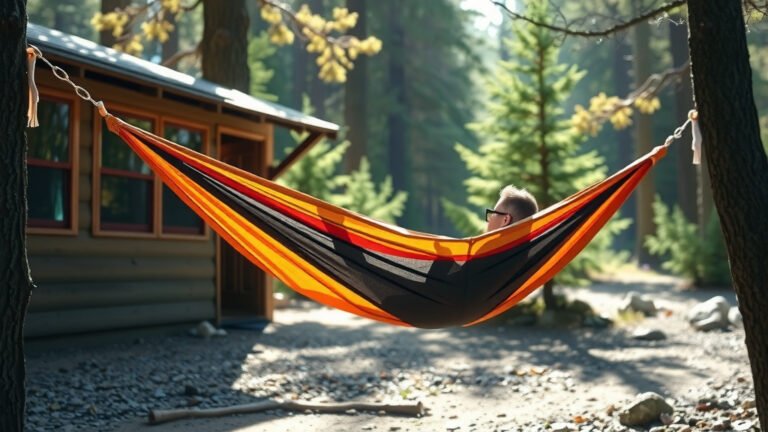
Hammocks offer a unique way to sleep. They can feel like you’re floating. Many campers love this sensation. It’s like being cradled by nature itself.
Weight and Portability: Lighter is Often Better
If you’re hiking long distances, every ounce counts. Hammocks are typically much lighter than tents. You can often pack a hammock, suspension system, and bug net into a small stuff sack. This makes it incredibly easy to carry. We found that many ultralight backpackers choose hammocks for this reason. They want to shave off weight wherever possible.
Think about it: a whole sleeping setup that fits in your palm. That’s pretty impressive! This portability is a big plus for solo trips or minimalist adventures.
Comfort and Sleep Quality: A Matter of Preference
Many people find hammocks surprisingly comfortable. You might think sleeping suspended would be awkward. However, when set up correctly, a good hammock can conform to your body. This can relieve pressure points. Some users report better sleep in a hammock than on a soft mattress.
The trick is finding the right type of hammock and setting it up at the correct angle. A “bridge” hammock or a larger, wider hammock often provides a flatter sleeping surface. This can improve comfort for many. We’ve heard from users who swear by hammock sleeping for back pain relief. This is because it can encourage a more neutral spine position (NCBI).
Best Conditions for Hammock Camping
Hammocks truly shine in specific environments. They are ideal for areas with plenty of sturdy trees. Forests and wooded campgrounds are perfect. Hammocks also do best in warmer weather. Without a tent’s walls, you’re exposed to the elements.
When it’s warm and the bugs are manageable, a hammock is a dream. You get great ventilation. You can often see the stars right above you. It’s an open-air sleeping experience like no other. Just make sure to check the weather forecast! When it’s warm and the bugs are manageable, a hammock is a dream, but consider a hammock tarp for added protection.
The Tent Advantage: Shelter and Versatility
Tents are the classic camping staple for a reason. They offer a robust shelter. This protection is hard to beat in many situations. They are your home away from home in the wilderness.
Protection from the Elements: Your Personal Fortress
This is where tents really take the lead. Rain, wind, snow, and even intense sun are kept out. A well-pitched tent provides a dry and safe space. You don’t have to worry about a sudden storm soaking your sleeping bag. Tents are designed to withstand various weather conditions. Many offer waterproof floors and rainflies. This keeps you comfortable and dry.
We found that for camping in unpredictable climates, a tent is often the most sensible choice. It provides peace of mind. You know you’ll have shelter, no matter what nature throws your way. Some tents are built for extreme conditions, offering robust poles and wind resistance (REI).
Bug and Critter Defense: A Secure Barrier
Mosquitoes, flies, ticks, and other pesky insects can ruin a camping trip. Tents offer a sealed environment. Most have mesh doors and windows. These keep bugs out while allowing airflow. Hammocks can get bug nets, but they don’t always offer the same level of complete enclosure. A tent provides a definitive barrier.
If you’re camping in an area known for bugs, especially during warmer months, a tent is a serious advantage. It lets you relax without constant swatting. This is key for getting a good night’s sleep.
Space and Gear Storage: Room to Breathe
Tents usually offer more interior space than hammocks. You can sit up inside most tents. You can change clothes with relative ease. There’s usually room for your backpack, boots, and other gear. Some tents even have vestibules. These are covered areas outside the main tent body. They are perfect for storing muddy boots or wet rain gear. This keeps your sleeping area clean and dry.
For group camping, tents are essential. You can often find tents designed for 2, 4, or even more people. Everyone has their own space. Gear can be organized. It’s much easier than trying to manage multiple hammocks and scattered gear.
Privacy and Comfort: A Private Oasis
Let’s be honest, sometimes you just want privacy. A tent offers a closed-off space. You can get dressed, use the restroom, or just have a quiet moment without being exposed. Hammocks, by nature, are more open. Even with a bug net, you’re still visible to anyone nearby.
Inside a tent, you can create your own cozy environment. You can bring in a small mat, a pillow, and really make it feel like a personal retreat. This comfort and privacy can be a big factor for some campers.
Making Your Final Decision: A Quick Checklist
Still on the fence? Think about these key points when making your choice. We found that most campers lean towards one or the other based on these factors:
- Trip Type: Are you backpacking for days or car camping for a weekend?
- Weather Forecast: Is warm, dry weather guaranteed, or could rain be a factor?
- Location: Will you have plenty of trees for a hammock, or will you be in an open field?
- Group Size: Are you camping solo, as a couple, or with a family?
- Bug Pressure: Are mosquitoes and other insects a major concern?
- Your Personal Comfort: Do you prioritize an open-air feel or a fully enclosed shelter?
Consider these questions carefully. They will guide you toward the best sleep setup for your next adventure.
“`Conclusion
Deciding between a hammock and a tent boils down to your personal camping style and the conditions you expect. If you crave a lightweight, minimalist experience and often camp in warm, wooded areas, a hammock offers an unparalleled open-air sleep. For those prioritizing protection from bugs and unpredictable weather, or needing space for gear and companions, a tent remains the reliable, versatile choice. Carefully consider your typical trip type, location, and comfort needs. Your next adventure awaits, and choosing the right sleep system is the first step to a great night under the stars.
Frequently Asked Questions
Can I use a hammock in the winter?
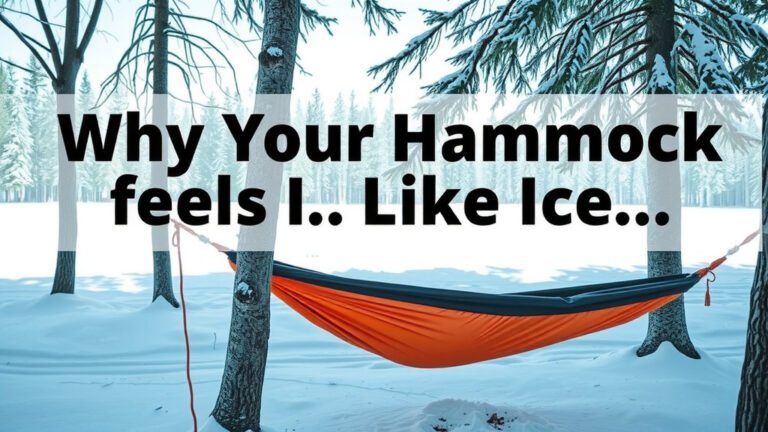
Generally, hammocks are not ideal for winter camping. You’ll be exposed to cold winds, and staying warm can be challenging without significant extra insulation. Tents offer better protection against the cold and wind, making them a much safer choice for winter conditions.
What if I want to camp with a group?
For group camping, tents are almost always the better option. You can find tents designed to sleep multiple people comfortably, providing shared shelter and space for gear. While multiple hammocks can be set up, they don’t offer the communal space a tent does.
Are hammocks really comfortable for sleeping all night?
Many people find hammocks very comfortable, especially when set up correctly with a good angle and perhaps a wider hammock or bridge hammock. It can relieve pressure points compared to a firm ground mattress. However, comfort is subjective, and some find tents more stable and familiar for a full night’s sleep.
What about bugs with a hammock?
You can definitely add a bug net to your hammock setup. This creates a barrier against mosquitoes and other flying insects. However, a tent usually offers a more complete and sealed enclosure, which can be more effective if bugs are a major problem.
Is a tent really that much heavier than a hammock?
Yes, typically a tent will be significantly heavier and bulkier than a hammock system (hammock, suspension, bug net, and maybe a tarp). If you are focused on reducing pack weight for long-distance hiking, a hammock system often has a clear advantage in terms of weight and packed size.