How Far Apart to Hang Your Hammock for Perfect Comfort
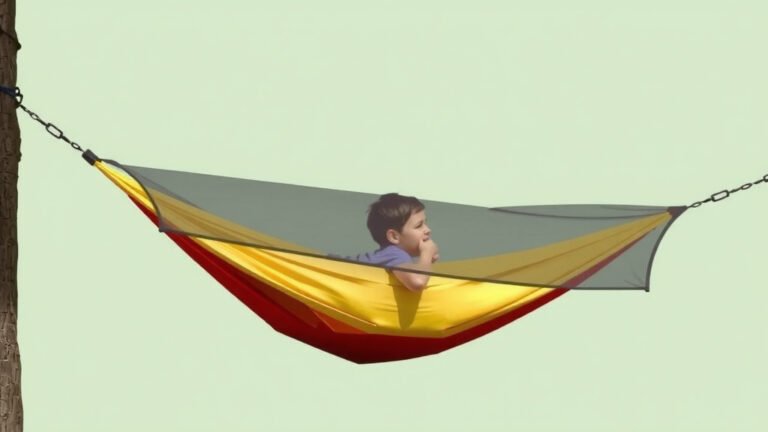
You’re probably wondering: how far apart to hang a hammock? For most hammocks, a good rule of thumb is to hang them about 10 to 15 feet apart for optimal comfort and a nice, gentle sag. This distance helps create that perfect “banana-like” curve.
Getting the hang height and distance right is key to a relaxing hammock experience. Too close, and it feels too tight. Too far, and you might not get that cozy embrace. We’ve researched this extensively to help you avoid that frustrating “too-tight” or “too-flat” hammock feeling and ensure a truly supportive and comfortable setup.
- Aim for 10-15 feet between anchor points.
- Look for a gentle curve, like a relaxed smile.
- Adjust for your hammock’s length and material.
- Comfort is the ultimate goal!
Let’s walk through exactly how to figure out the perfect distance for your hammock setup.
“`htmlFinding the Ideal Space for Your Hammock Setup
So, you’ve got your hammock and you’re ready to relax. But how far apart should those anchor points be? It’s a question many hammock lovers ponder. We found that for most standard hammocks, a sweet spot exists. Aiming for anchor points that are 10 to 15 feet apart usually hits that perfect balance.
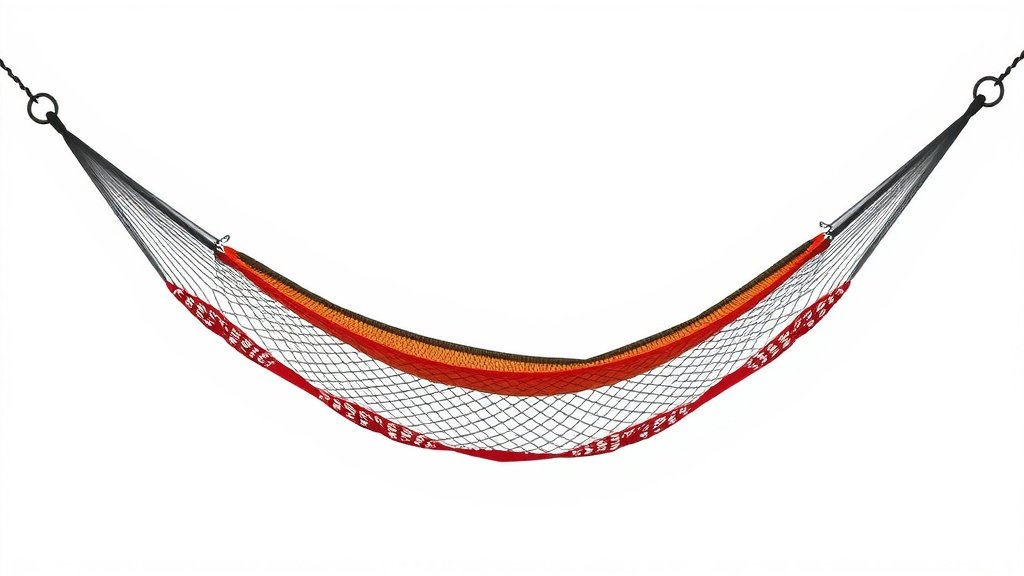
This range helps your hammock achieve a gentle, inviting sag. Think of it like a relaxed smile, not a taut string. This curve is where the magic happens for comfort. It cradles your body. It lets you lie back without feeling like you’re going to slide out. This distance is key to unlocking that cozy, supportive feeling.
Understanding Hammock Sag and Its Importance
Why is sag so important? It’s all about the angle of suspension. When your hammock has the right sag, it distributes your weight evenly. This prevents pressure points. It allows your spine to maintain a natural alignment. Many experts suggest a sag of about 30 degrees. This means the suspension lines should form a roughly 30-degree angle with the anchor points (National Park Service).
A hammock that’s too tight feels like a stretched rubber band. It’s uncomfortable. You can’t really sink into it. On the flip side, a hammock hung too loosely can feel unstable. It might drag on the ground. You won’t get that supportive embrace you’re looking for. Finding that perfect curve is your primary goal.
The “Banana Curve” Analogy
We often hear the term “banana curve” when discussing hammock setup. It’s a great visual! Imagine a ripe banana. It has a gentle, inviting arc. Your hammock should look similar when you’re lying in it. It shouldn’t be completely flat like a board. Nor should it be so tightly strung that it looks like a straight line.
This curve allows you to lie in your hammock in multiple ways. You can lie straight on your back. You can also lie on your side. It’s this adaptability that makes hammocks so appealing. The 10-15 foot gap is generally the best starting point to achieve this relaxed, banana-like shape.
Factors Influencing Your Hammock’s Ideal Distance
While 10-15 feet is a great guideline, it’s not a one-size-fits-all rule. Several factors can influence the exact distance you’ll need between your anchor points. Your hammock’s length and material are big players.
Hammock Length Matters
Longer hammocks generally need more space between anchor points. A typical camping hammock might be around 9 to 11 feet long. Larger, more traditional hammocks can be 12 feet or even longer. If you have a longer hammock, you might need to increase the distance slightly beyond 15 feet. This ensures you still get that proper sag.
If your hammock feels too short for the distance you’ve set, it will feel overly taut. You’ll get that feeling of being stretched. Conversely, a shorter hammock might sag too much if hung too far apart. Always check the manufacturer’s recommendations for your specific hammock model.
Material and Design Considerations
The type of material your hammock is made from can also affect how it hangs. Some materials, like parachute nylon, are very stretchy. They will naturally sag more under weight. Other materials, like canvas or woven cotton, might be less forgiving. They may require a bit more fine-tuning.
Consider whether your hammock has spreader bars. Hammocks with spreader bars are designed to lie flatter. They often require anchor points that are a bit closer together compared to gathered-end hammocks. Researching the specific design of your hammock will guide your setup.
Setting Up Your Hammock: A Practical Checklist
Getting the hang distance just right might take a little trial and error. But with a few steps, you’ll be lounging in no time. Remember, comfort is your ultimate goal. Here’s a simple checklist to guide you:
- Measure your hammock: Know its total length from end to end.
- Start with the baseline: Begin with your anchor points about 12 feet apart.
- Attach and test: Securely attach your hammock and gently sit in it.
- Observe the sag: Does it look like a relaxed smile or a tight line?
- Adjust as needed: Move anchor points closer if too loose, farther if too tight.
- Prioritize comfort: Lie in it for a few minutes to ensure it feels supportive.
Understanding Your Anchor Points
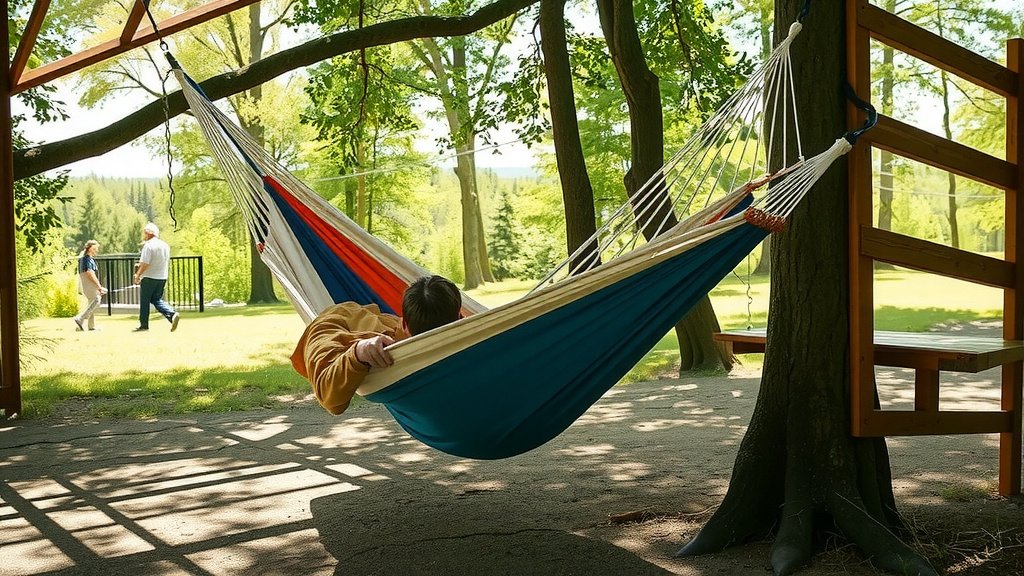
The type of anchor points you use can also influence your setup. Are you using trees, posts, or a hammock stand? Each has its own characteristics.
Using Trees for Support
Trees are a classic choice. Ensure the trees you choose are healthy and sturdy. For most trees, using straps is the best method. This protects the bark. You’ll then attach your suspension system to these straps. The distance between two trees will dictate your setup. You might need to adjust your suspension length to achieve the desired distance.
Hammock Stands and Posts
Hammock stands are designed to provide a freestanding setup. They often have fixed anchor points. These are usually set at a distance that works well for most hammocks. If you’re installing your own posts, you’ll need to carefully measure and set them to the correct distance apart. Many sources recommend 12-15 feet for permanent post installations (Backyard Hammocks Guide).
Always ensure your chosen anchor points can safely support your weight plus the hammock’s weight. When in doubt, err on the side of caution and choose stronger supports. A sturdy setup means a safer and more enjoyable relaxation experience.
When to Adjust Your Hammock’s Distance
Your hammock setup isn’t set in stone. You might find yourself adjusting it over time. Maybe you got a new hammock. Perhaps you’re setting it up in a slightly different location.
Troubleshooting Common Hammock Issues
If your hammock feels too tight, try moving your anchor points further apart by a foot or so. If it feels too loose and sags too much, bring them closer together. This fine-tuning is what helps you achieve that perfect, custom fit.
Don’t be afraid to experiment! What feels most comfortable to you is the ultimate measure of a good setup. Sometimes, a small adjustment makes all the difference in achieving that blissful hammock experience.
“`Conclusion
Finding the perfect distance to hang your hammock is key to unlocking ultimate relaxation. Remember, the goal is that gentle, supportive curve—like a relaxed smile. While 10 to 15 feet is your starting point, don’t be afraid to fine-tune the distance based on your hammock’s length, material, and your personal comfort. We’ve learned that a little experimentation can transform your hammock from just a swing to your personal oasis. So grab your tape measure, find those anchor points, and get ready to sway the day away!
Frequently Asked Questions
What if I don’t have 10 feet between my anchor points?
If your space is more limited, you can still enjoy a hammock. You might need to use a shorter hammock or a specialized “short-space” hammock. You could also try a hammock stand, which allows you to control the distance precisely.
Can I hang a hammock indoors?
Absolutely! You can hang a hammock indoors by installing secure anchor points into your wall studs or ceiling joists. Just make sure the anchors are rated to hold significant weight and are properly installed for safety.
How do I know if my hammock is too tight or too loose?
A hammock that’s too tight will feel taut, like a drum, and won’t offer much of a sag, making it uncomfortable to lie in. Too loose, and it might touch the ground or feel unstable when you try to get in.
What’s the best way to hang a hammock between two trees?
Use wide tree straps to protect the bark. Then, attach your hammock suspension system to these straps. Measure the distance between the trees and adjust your suspension length to achieve the desired sag and distance.
Do hammock stands have a fixed distance for hanging?
Most hammock stands have fixed anchor points, usually designed to accommodate a wide range of hammocks. The distance is pre-determined by the stand’s design, so you typically hang your hammock directly onto the integrated hooks or loops.