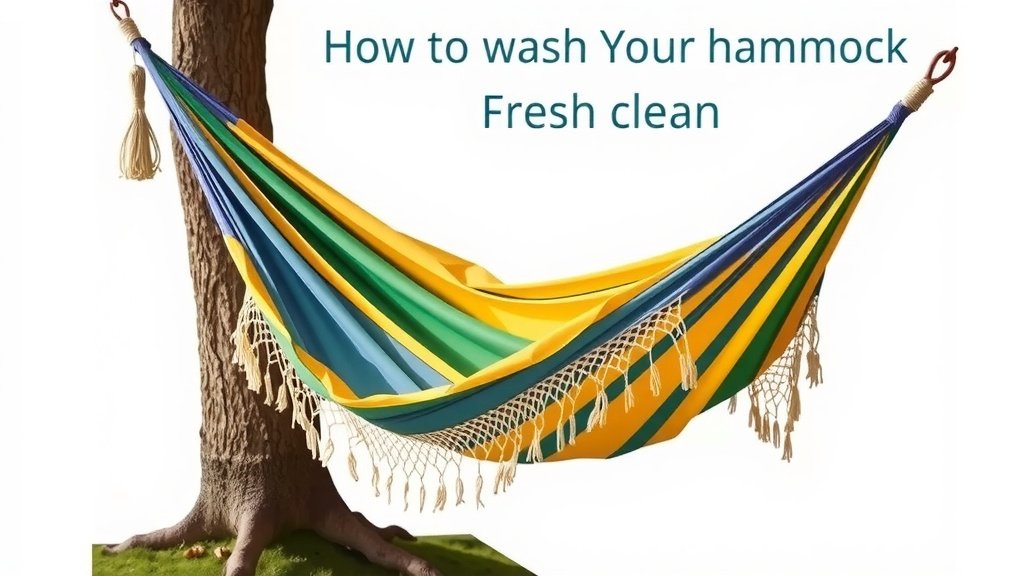
How to Wash Your Hammock for a Fresh Clean
The easiest way to wash a hammock is by hand in cool water or using a gentle cycle in your washing machine. You’ll want to remove any loose dirt first. This simple process will keep your hammock clean and inviting for your next relaxing afternoon.
Keeping your hammock fresh is about more than just looks. A clean hammock is also safer and lasts longer. We found that regular cleaning prevents mildew and fabric breakdown. Think of it as giving your favorite relaxation spot a spa day!
- Check hammock material for cleaning instructions.
- Shake out loose dirt and debris.
- Hand wash with mild soap or machine wash on gentle.
- Air dry thoroughly away from direct sun.
- Store properly when not in use.
Ready to give your hammock a good cleaning? Let’s walk through exactly how to do it step by step, ensuring it stays comfy and ready for all your lounging needs.
Keeping Your Hammock Clean and Inviting
Your hammock is more than just a piece of fabric; it’s your personal escape pod. Keeping it clean ensures it remains a **comfortable and hygienic** spot for relaxation. You don’t want unexpected guests like mildew or stubborn stains ruining your chill time. Let’s get it sparkling!
Pre-Wash Prep: The Crucial First Steps
Before you even think about water, it’s time for a good old-fashioned shake-out. Find a sturdy tree branch or a clothesline. Grasp the ends of your hammock and give it a vigorous shake. This will dislodge leaves, dirt, and any tiny critters that might have taken up residence. You’d be surprised what a good shake can reveal!
Next, grab a soft brush or a dry cloth. Gently brush away any **stubborn dirt or cobwebs** that the shake didn’t fully dislodge. For tougher spots, like dried mud, you might need a little more elbow grease. Just be careful not to snag the fabric, especially if it’s a delicate material.
Choosing Your Cleaning Method: Hand Wash vs. Machine
When it comes to washing, you have two main options: hand washing or using your washing machine. Both methods can be effective, but the best choice often depends on your hammock’s material and how dirty it is.
The Gentle Art of Hand Washing
Hand washing is generally the **safest and most recommended** method for most hammocks, especially those made from natural fibers like cotton or delicate synthetic blends. It gives you the most control and minimizes the risk of damage.
You’ll need a basin, tub, or even a clean spot in your bathtub. Fill it with cool or lukewarm water. Avoid hot water, as it can cause shrinkage or damage to certain fibers (National Center for Home Food Preservation). Add a small amount of mild detergent. Look for soaps labeled for delicates or general-purpose mild laundry soap. You don’t need much; too much soap can be hard to rinse out.
Submerge your hammock and gently agitate the water with your hands. Swish it around, letting the soap and water work their magic. For stained areas, you can gently scrub with a soft cloth or sponge. Be **patient and thorough**; this is where you can really target those problem spots.
Machine Washing: When It’s an Option
Some hammocks, especially those made from durable synthetics like polyester or nylon, can handle a washing machine. Always check the care tag first! If it explicitly states machine washable, you’re good to go. If not, it’s best to stick with hand washing.
When machine washing, use a **gentle or delicate cycle**. This setting uses less agitation and a slower spin, which is kinder to your hammock’s fabric. Use cold water for the same reasons we avoid hot water during hand washing. Make sure to use a mild detergent, and avoid any harsh chemicals or bleach, which can weaken fibers and fade colors.
To protect your hammock further and prevent it from snagging on other items, wash it by itself or with a few similar, soft items like towels. If your hammock has metal hardware like carabiners, it’s a good idea to place them inside a mesh laundry bag before washing. This helps prevent them from scratching the drum of your washing machine or damaging the hammock itself.
Tackling Stubborn Stains and Odors
Sometimes, a regular wash isn’t enough. Stains like grass, dirt, or even mildew can be persistent. For these, you might need a targeted approach before or during your wash.
For mildew, a common enemy of outdoor fabrics, research suggests a solution of one part white vinegar to three parts water can be effective. Apply it to the affected area, let it sit for a while, and then gently scrub. Rinse thoroughly afterwards. Many experts also recommend using a specialized outdoor fabric cleaner for tough stains (University of Florida IFAS Extension). Always spot-test any cleaner on an inconspicuous area first to ensure it doesn’t damage the fabric or color.
The All-Important Drying Process
Drying your hammock correctly is just as vital as washing it. Improper drying can lead to mildew, stretched fabric, or sun damage. The golden rule here is: **air dry only**.
Never, ever put your hammock in a clothes dryer. The heat can cause shrinkage, melt synthetic fibers, and weaken the fabric. Instead, find a well-ventilated area. Lay the hammock flat on a clean surface, or hang it over a sturdy line or chairs, ensuring air can circulate freely around it. Gently spread out the fabric to speed up the drying process.
Crucially, avoid direct, harsh sunlight, especially for extended periods. While a little sun can help freshen things up, prolonged exposure can degrade fabrics over time, making them brittle and prone to tearing (Texas A&M AgriLife Extension). Sun-bleached hammocks are less appealing, too! If you have to dry it outdoors, try to place it in a spot that gets dappled shade or only direct sun for a short part of the day. Make sure it’s **completely dry** before storing it. Dampness is an invitation for mildew.
A Quick Guide to Hammock Care After Washing
Once your hammock is clean and dry, a little extra care ensures it stays that way:
- Inspect for Damage: Before your next use, give it a good look-over for any new tears or weak spots.
- Reapply Fabric Protector (Optional): For some synthetic hammocks, reapplying a fabric protector can help repel water and stains. Check your hammock’s manufacturer recommendations.
- Store Smartly: When not in use, especially during rainy seasons or winter, store your hammock in a dry, cool place. A breathable storage bag is ideal.
Material Matters: A Quick Reference
Different hammock materials require slightly different approaches. Understanding your hammock’s fabric can save you a lot of trouble.
| Hammock Material | Best Cleaning Method | Drying Tips |
|---|---|---|
| Cotton | Hand wash with mild soap and cool water. Avoid machine washing. | Air dry flat or on a line. Keep out of direct sun. |
| Polyester/Nylon | Machine wash on delicate with cold water, or hand wash. | Air dry thoroughly. Can tolerate some direct sun but prolonged exposure weakens fibers. |
| Blends (e.g., Cotton-Poly) | Hand wash is safest. If machine washing, use gentle cycle and cold water. | Air dry in shade. |
| Specialty Fabrics (e.g., Spreader Bar Hammocks with Wood) | Hand wash fabric portion only. Clean wood separately with appropriate wood cleaner. | Air dry fabric. Ensure wood is completely dry before reassembly. |
Always defer to the manufacturer’s specific cleaning instructions if available. They know their product best!
Conclusion
You’ve now got the knowledge to keep your hammock clean and comfortable. Remember, a good shake-out and a gentle wash are key. Whether you choose hand washing or a delicate machine cycle, always use cool water and mild soap. Drying thoroughly and storing it properly will extend your hammock’s life. Treat your hammock with care, and it will continue to provide countless hours of relaxation. So go ahead, give it that much-needed spa day and get ready to unwind!
Frequently Asked Questions
Can I wash my hammock if it has wooden spreader bars?
For hammocks with wooden spreader bars, you should only wash the fabric portion. Carefully detach the fabric if possible. Clean the wood separately with a mild wood cleaner, ensuring it’s completely dry before reattaching the fabric. Never submerge wooden parts in water.
How often should I wash my hammock?
The frequency depends on how often you use it and where it’s kept. For a hammock used frequently outdoors, a good cleaning every season or whenever it looks visibly dirty is a good practice. If it’s mostly used indoors, you can wash it less often, perhaps once a year or when needed.
What’s the best way to remove mildew spots?
Mildew can be tough, but research suggests a solution of one part white vinegar to three parts water works well. Apply it to the spots, let it sit for a bit, and gently scrub. Always rinse thoroughly afterwards and ensure the hammock dries completely in a well-ventilated area to prevent recurrence.
Can I use bleach to clean my hammock?
It’s generally not recommended to use bleach on your hammock. Bleach can weaken fabric fibers over time, cause colors to fade, and potentially damage synthetic materials. Stick to mild detergents or specialized outdoor fabric cleaners for the best and safest results.
What happens if I dry my hammock in direct sunlight?
While a little sun can help air out your hammock, prolonged exposure to direct sunlight can degrade the fabric. This can make it brittle, prone to tearing, and cause it to fade. It’s best to air dry your hammock in the shade or a well-ventilated area away from harsh, direct sun.