Choosing the Best Backpacking Hammock for Your Adventures
Choosing the right backpacking hammock means finding one that’s lightweight, durable, and comfortably fits your body. You’ll want to consider its weight capacity and the materials used for both the hammock and its suspension system. This ensures a safe and enjoyable sleep system for your outdoor adventures.
Your perfect backpacking hammock depends on your personal needs and where you plan to camp. Think about factors like weather resistance and ease of setup. We’ve researched various options and found that focusing on these key features will help you avoid common pitfalls and ensure a cozy night under the stars.
- Weight and Packability: Look for lightweight materials that pack down small.
- Durability: Choose strong fabrics like ripstop nylon for longevity.
- Weight Capacity: Ensure it can safely support your weight plus gear.
- Suspension System: Straps and buckles should be easy to use and reliable.
- Comfort Features: Consider size, shape, and any extra pockets.
Let’s walk through exactly how to pick the best backpacking hammock for your needs.
Selecting Your Ideal Backpacking Hammock
Finding the right backpacking hammock involves looking at several key factors. We’ve researched the options to help you make an informed choice. Your hammock should be a cozy, lightweight extension of your outdoor experience. It’s more than just a place to sleep; it’s your portable bedroom among the trees.
Think of your hammock as your personal cloud for the wilderness. The best ones balance comfort, weight, and durability. We’ll guide you through what to look for, so you can stop worrying about setup and start enjoying the view.
Understanding Hammock Materials and Construction
The fabric of your hammock is crucial for comfort and longevity. Most backpacking hammocks use nylon. Ripstop nylon is a popular choice. It features a reinforced grid pattern that prevents small tears from spreading. This makes it very durable.
Some hammocks use polyester. Polyester is often more UV resistant. It can hold up better in sunny conditions. However, nylon tends to be lighter and more breathable. For most backpacking trips, ripstop nylon is a fantastic option.
Nylon vs. Polyester: What’s the Difference?
Nylon is known for its incredible strength-to-weight ratio. It’s often softer and more comfortable against your skin. It also dries relatively quickly. This is a big plus if you’re caught in a rain shower.
Polyester, on the other hand, is less prone to stretching when wet. This can be an advantage in humid environments. But, many backpackers prefer the feel and lighter weight of nylon. We found that nylon is generally the preferred material for lightweight backpacking.
Weight Capacity and Safety
Always check the hammock’s stated weight capacity. This is critical for your safety. Manufacturers test these limits rigorously. Exceeding them can lead to hammock failure, which is no fun.
Consider your own weight plus any gear you might keep inside the hammock. A common recommendation is to choose a hammock with a capacity at least 50 pounds higher than your maximum expected load. This provides a good safety margin. For example, if you weigh 200 pounds, look for a hammock rated for at least 250 pounds.
Suspension Systems: Getting You Off the Ground
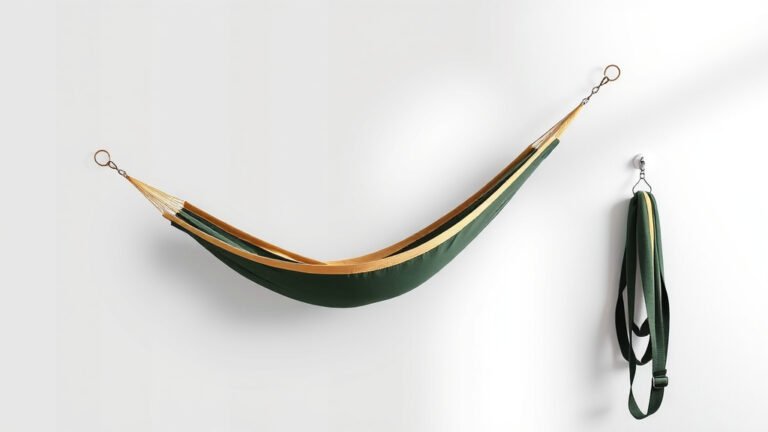
The suspension system is what attaches your hammock to trees. It includes straps and a way to connect those straps to the hammock itself. There are several common types, and ease of use is a big factor.
Webbing Straps vs. Rope
Most modern hammocks come with webbing straps. These are typically made from durable nylon or polyester. They are often wide, which helps protect tree bark. This is important for Leave No Trace principles.
Some older or very basic hammocks might use rope. Rope can be effective, but it can also dig into trees. Webbing straps are generally easier to adjust and more tree-friendly. Many experts agree that wide webbing straps are the best choice for minimizing environmental impact (Leave No Trace Center for Outdoor Ethics).
Carabiners and Buckles
The connection between the straps and your hammock often involves carabiners or buckles. Lightweight aluminum carabiners are common. They offer a secure and simple connection.
Some systems use buckle adjusters. These allow you to easily lengthen or shorten the straps. They can be very user-friendly, especially for beginners. The best system for you will depend on your preference for adjustability and speed.
Comfort and Features to Consider
Beyond the basics, a few extra features can enhance your comfort. Think about how you’ll use the hammock and what makes you feel relaxed.
Hammock Size and Shape
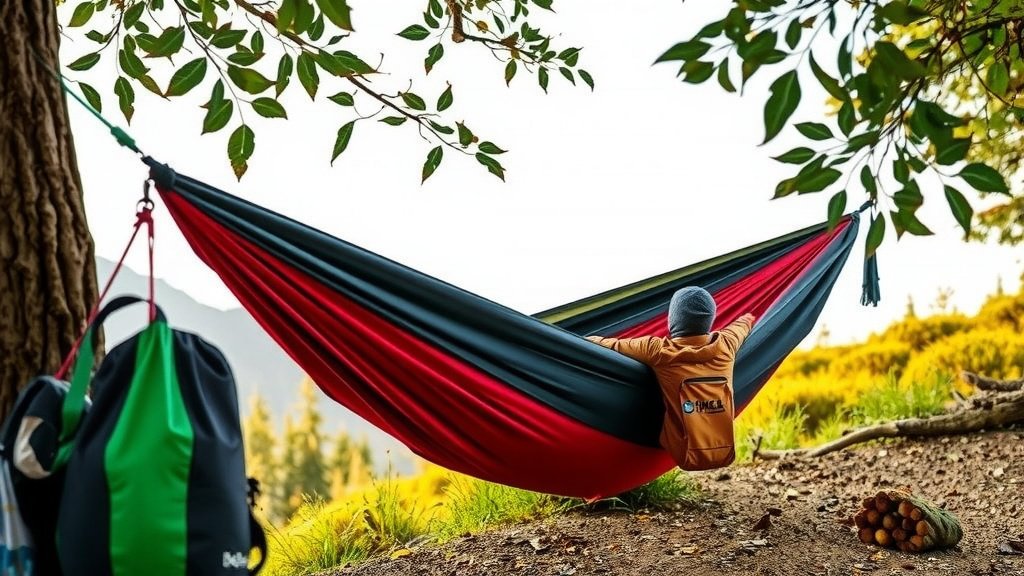
Hammocks come in various lengths and widths. A longer and wider hammock generally offers more comfort. It allows you to lie at an angle, which is more ergonomic. This “diagonal lay” is key to a good night’s sleep.
Some hammocks are asymmetrical. They are designed to encourage this diagonal lay. Others are more traditional rectangular shapes. Consider your height and body size when choosing. If you’re tall or broad, opt for a larger hammock.
Bug Nets and Tarps
Will you be camping in buggy areas? Many hammocks have integrated or attachable bug nets. These keep mosquitoes and other biting insects at bay. This can be a real sanity saver.
A tarp is also essential for protection from rain and sun. While not part of the hammock itself, it’s a critical component of a hammock camping setup. Look for lightweight, waterproof tarps designed for hammocks.
Extra Pockets and Gear Lofts
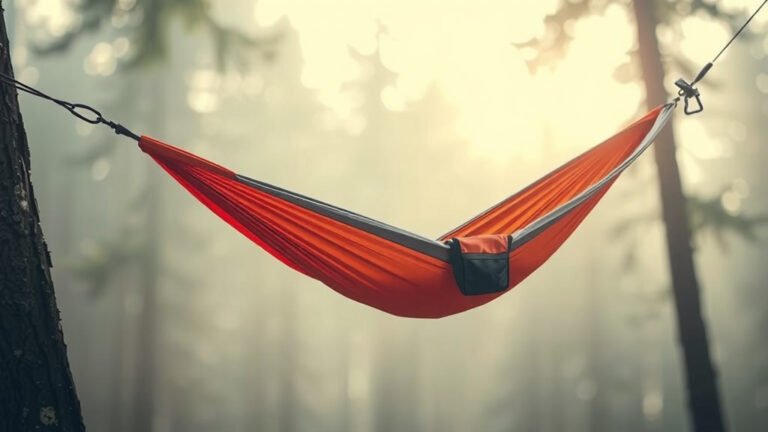
Some hammocks include small pockets. These are handy for storing your phone, headlamp, or a book. A gear loft is a mesh bag that hangs above you. It provides extra storage space for larger items.
These small additions can make a big difference in organization. They help keep your essentials within easy reach. Think about what small comforts you’d like to have nearby while lounging.

Checking the Specs: What to Look For
When you’re comparing different hammocks, keep these specs in mind. They’ll help you sort through the options quickly.
| Feature | Key Considerations | Why It Matters |
|---|---|---|
| Material | Ripstop Nylon, Polyester | Durability, weight, breathability |
| Weight Capacity | Your weight + gear + safety margin | Safety and reliability |
| Suspension | Webbing straps, carabiners, buckles | Ease of setup, tree protection, adjustability |
| Size | Length and width | Comfort, sleeping position |
| Packed Weight | Under 2 lbs is ideal for backpacking | Portability and ease of carrying |
Your Backpacking Hammock Checklist
Before you click “buy,” run through this quick checklist. It ensures you won’t forget anything important.
- Have you checked the weight capacity?
- Is the material durable, like ripstop nylon?
- Does the suspension system seem easy to use and reliable?
- Is the size appropriate for your body and preferred sleeping position?
- Does it pack down small enough for your backpack?
- Are there any integrated features (like bug nets) that you need?
Conclusion
Choosing your backpacking hammock comes down to balancing weight, durability, and comfort. You’ve learned about key materials like ripstop nylon and the importance of checking weight capacity for safety. Remember that the right suspension system makes setup easy and protects trees. Consider hammock size and extra features like bug nets to match your adventures.
By keeping this guide and your personal needs in mind, you’re ready to select a hammock that will provide cozy nights under the stars for years to come. Your next adventure awaits – go find that perfect portable bedroom!
Frequently Asked Questions
What’s the best hammock material for hot weather?
For hot weather, you’ll want a breathable material. Ripstop nylon is often preferred because it’s lightweight and allows air to circulate. While polyester is more UV resistant, nylon generally feels cooler against your skin.
Do I need a bug net for every hammock trip?
It depends on your location and the time of year. If you’re camping in areas known for mosquitoes or biting insects, an integrated or attachable bug net is highly recommended. It can make sleeping much more comfortable.
How much extra weight capacity should I aim for?
A good rule of thumb is to choose a hammock with a weight capacity at least 50 pounds higher than your expected maximum load. This includes your body weight plus any gear you might have with you, adding a crucial safety margin.
Are rope suspension systems bad for trees?
Thin ropes can potentially dig into tree bark, especially under pressure. Wide webbing straps are generally considered more tree-friendly and are recommended for Leave No Trace camping. Many hammocks now come standard with these.
Can I sleep comfortably in a hammock every night?
Yes, many people find hammocks very comfortable for sleeping, especially when set up correctly. Lying diagonally (the “diagonal lay”) in a sufficiently sized hammock distributes your weight evenly and flattens the sleep surface, reducing pressure points.