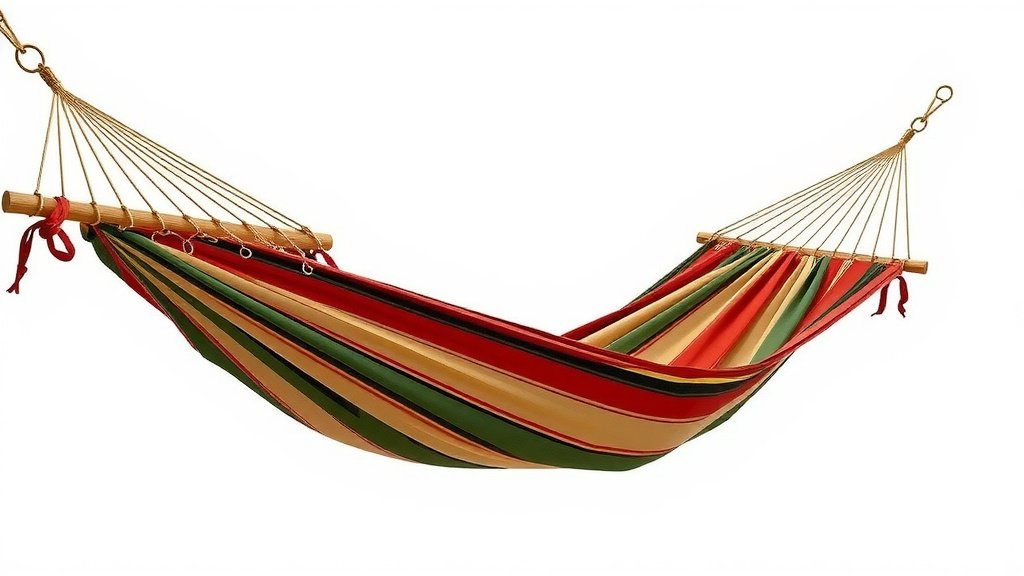
Calculate Hammock Hang Angle: The Perfect Slumber
Calculating your hammock’s hang angle is key for comfort. A good angle is usually between 25 and 30 degrees. This sweet spot helps create a flat, supportive lay. Getting it right means saying goodbye to uncomfortable arches and hello to deep relaxation. You want to feel like you’re sleeping in a cozy bed, not a banana peel!
The ideal hang angle impacts your entire camping experience. It’s not just about comfort; it’s about proper weight distribution. Many campers find that a slightly shallower angle can feel more supportive. We found that experimenting within the recommended range is often best. Your hammock’s design can also influence the perfect angle.
- The best hammock hang angle is typically 25-30 degrees.
- This angle provides a flat, supportive sleeping surface.
- Aim for proper weight distribution to avoid discomfort.
- Adjust based on your hammock type and personal preference.
- A well-hung hammock makes a huge difference in sleep quality.
Ready to find your perfect hang? Let’s walk through how to measure and achieve that ideal angle for your best night’s sleep outdoors.
Achieving the Perfect Hammock Hang Angle
Finding your ideal hammock hang angle is a game-changer for outdoor comfort. A well-hung hammock feels supportive and flat. This means you can finally get a great night’s sleep under the stars. Let’s get your hammock set up for ultimate relaxation.
Understanding Hammock Hang Angles
What is a Hammock Hang Angle?
The hang angle refers to the slope of your hammock. It’s the angle formed between the hammock suspension and a horizontal line. This angle directly affects how flat your hammock lies. A good angle is your secret to avoiding that “banana” shape. It ensures your weight is distributed evenly. Research suggests the sweet spot is typically between 25 and 30 degrees (Weird Fish Hammocks).
Why Does the Angle Matter So Much?
When your hammock has the correct angle, it creates a more comfortable sleeping surface. This allows your body to lie flatter. A flatter lay distributes your weight more evenly across the fabric. This prevents pressure points from forming. Think of it like lying on a firm, supportive mattress versus a sagging one. Without the right angle, you might feel like you’re constantly sliding to the center. Or, you might feel a constant pull on your body. Proper weight distribution is key to preventing back pain or stiffness after sleeping.
The Role of Suspension and Ridgeline
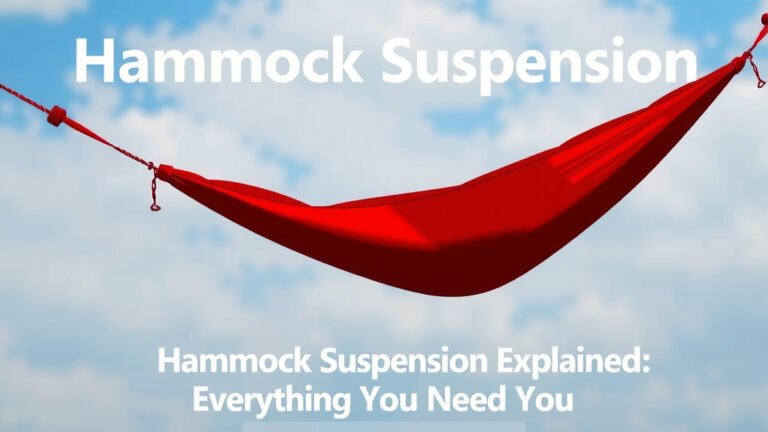
Your suspension system, which includes the straps and whoopie slings or whoopie hooks, plays a big role. The length of your suspension directly influences the hang angle. Many hammocks come with a “ridgeline.” This is a fixed cord that connects the two suspension points. It has a specific length. This ridgeline helps you achieve a consistent hang angle. It acts as a guide for how far apart your anchor points should be. We found that a shorter ridgeline generally leads to a steeper angle. A longer ridgeline results in a shallower angle.
How to Measure Your Hammock Hang Angle
The Simple Visual Check
The easiest way to get a feel for your hang angle is by looking. When your hammock is set up, stand back and observe. Does it look like a gentle curve? Or does it seem too taut or too saggy? You’re looking for a shape that resembles a wide smile. This visual cue is surprisingly effective. Many experienced hammock campers rely on this first. It’s a quick way to tell if you’re in the ballpark.
Using a Smartphone App
For more precision, you can use your smartphone. Many devices have a built-in level or compass app. These apps often include an angle measurement tool. Simply hold your phone against the hammock suspension near the anchor point. Or, place it on the hammock fabric itself. Make sure the device is parallel to the ground for a baseline reading. Then, let it rest on the suspension line. You can then read the angle. This method offers a more exact measurement. It’s great for fine-tuning your setup. We found this provides a consistent measurement.
The Two-Point Measurement Method
This is a more hands-on approach. You’ll need a tape measure. First, find the ground directly below each of your anchor points. Measure the distance between these two ground points. Let’s call this the “ground distance.” Next, measure the length of your hammock suspension from anchor point to anchor point. This is your “suspension length.” You can then use a simple formula or an online calculator. This method helps you understand the geometry of your hang.
The basic idea is to determine the difference between the ground distance and the suspension length. This difference, when divided by the ground distance, gives you an approximation of the angle’s sine. You can then use a calculator to find the angle. Many online hammock calculators can do this for you. Just input your measurements. This method is very accurate.
Adjusting Your Hammock for the Ideal Angle
The Role of Anchor Point Distance
The distance between your two anchor points (trees, posts, etc.) is crucial. If your anchor points are too close together, your hammock will be too taut. This often results in a steep, uncomfortable angle. If they are too far apart, your hammock will sag too much. This creates a shallow angle that might not be supportive. Finding the right distance is key. It’s a balance between suspension length and anchor separation.
Adjusting Suspension Length
Most modern hammock suspension systems are adjustable. You can change the length of your whoopie slings or whoopie hooks. If your hammock angle is too steep (too much sag), you need to shorten the suspension. If it’s too shallow (too taut), you need to lengthen the suspension. Small adjustments make a big difference. We recommend making changes in small increments. This allows you to dial in the perfect feel.
What About Hammock Length?
While less common, the length of the hammock itself can play a role. Longer hammocks generally require a wider spread between anchor points to achieve a good hang angle. Shorter hammocks might feel too tight if the anchor points are too close. Most commercial hammocks are designed for standard tree spacing. But if you have an unusually long or short hammock, you might need to adjust your anchor point distance accordingly.
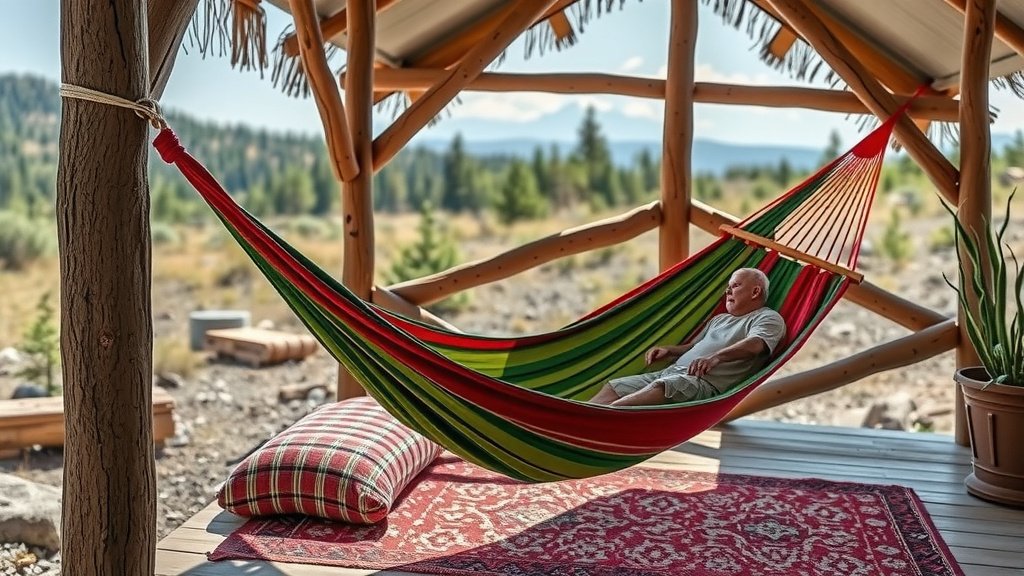
Common Hammock Hang Scenarios and Solutions
Too Steep: The “U” Shape
If your hammock looks like a deep “U” or a very tight curve, your angle is too steep. This often happens when your anchor points are too close. It can also occur if your suspension is too short. Try moving your anchor points further apart. If that’s not possible, shorten your suspension slightly. A steep angle can make you feel like you’re being squeezed. It also prevents you from lying flat.
Too Shallow: The “Flat Sheet” Hang
If your hammock is almost completely flat, or you feel like you’re sliding out, your angle is too shallow. This usually means your anchor points are too far apart. Or, your suspension is too long. Try moving your anchor points closer together. Alternatively, lengthen your suspension. A shallow hang offers less support. It can feel like sleeping on a taut bedsheet. Many people find the sweet spot between these two extremes.
Finding Your Personal Sweet Spot
While 25-30 degrees is a common recommendation, personal preference matters. Some people prefer a slightly flatter hang, perhaps around 20 degrees. Others might like it a bit steeper, closer to 35 degrees. We found that experimenting is the best approach. Set up your hammock and lie in it. Adjust until it feels just right for your body. Pay attention to how your back feels. Do you feel supported? Can you lie on your side comfortably? These are good indicators.
Quick Checklist for Your Perfect Hang
- Anchor points should be roughly 10-15 feet apart.
- Aim for a gentle, continuous curve in the hammock.
- Use a smartphone level app to check your angle.
- Adjust suspension length in small increments.
- Test your hang by lying in it for a few minutes.
- Make fine-tuned adjustments until it feels perfectly supportive.
Conclusion
You’ve now learned how to fine-tune your hammock’s hang angle for ultimate comfort. Remember, that sweet spot between 25 and 30 degrees is your starting point. But don’t be afraid to experiment. Your perfect hang is personal. Using visual checks, smartphone apps, or the two-point method helps you measure. Adjusting your anchor point distance and suspension length is key. Make small changes and test your hang. Your goal is a supportive, flat lay. So, go out there, set up your hammock, and prepare for some truly amazing outdoor naps!
Frequently Asked Questions
Can I use any type of tree for my anchor points?
You should choose healthy, mature trees that are at least 6 inches in diameter. Avoid trees with signs of disease or rot. Strong anchor points are essential for a safe and comfortable hang. Research suggests that avoiding very young or very old trees is often best.
What is the recommended distance between anchor points?
Generally, anchor points should be between 10 to 15 feet apart. This range allows for a good hang angle with most standard hammock lengths. If your trees are closer, you might need a longer suspension or a shallower angle. If they are farther apart, a shorter suspension might be necessary.
How do I know if my suspension is too long or too short?
If your hammock feels too loose and you’re sinking too low, your suspension might be too long. If it feels too tight and forms a steep “U” shape, your suspension is likely too short. You want a gentle curve, not a deep sag or a taut line.
Does the material of my hammock affect the hang angle?
While the material itself doesn’t directly change the angle calculation, some fabrics are more stretchy than others. A very stretchy fabric might require a slightly steeper initial angle to achieve a flat lay when you get in. We found that you need to account for some stretch when you first set up.
Is it okay to sleep in my hammock every night?
Many people find hammocks very comfortable for sleeping, even nightly. However, listen to your body. If you experience any discomfort or stiffness, adjust your hang angle or consider alternating with a traditional bed. Some research suggests side sleeping in a hammock can be particularly comfortable.