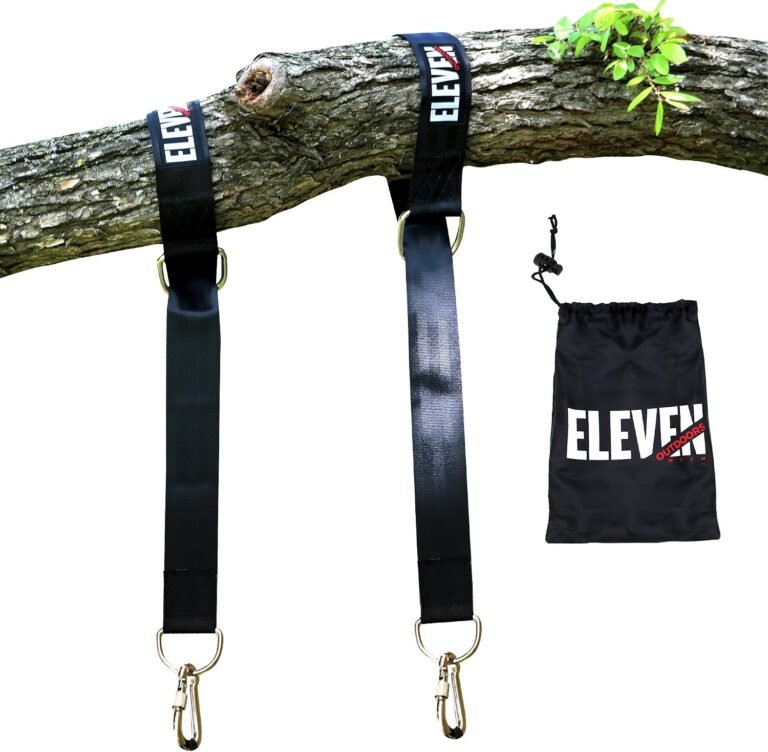
Hammock Straps vs Webbing: Which Is Right for You
For most hammock campers, whoopie slings or daisy chain straps are the better choice because they are lighter and easier to adjust. When comparing hammock straps vs webbing, we found that standard polyester webbing is the heavier, bulkier option, but it is also the most foolproof for beginners. The real answer comes down to how you camp and whether you prioritize weight or simplicity.
Both straps and webbing protect your hammock and the trees you hang from. The main difference is how you attach them and fine-tune the tension. We have researched the pros and cons of each system so you can pick the right gear without buyer’s remorse.
- Winner for weight and pack size: Whoopie slings are much lighter and pack down smaller than webbing.
- Winner for ease of use: Webbing with buckles or daisy chains is simpler to set up and adjust.
- Tree safety: Both use 1-inch wide straps to prevent damage, but check the material.
- Best for beginners: Standard polyester webbing is almost impossible to mess up.
- Best for ultralight hikers: Whoopie slings save significant ounces in your pack.
Below, we break down the differences between hammock straps vs webbing so you can decide which system fits your camping style best. Let’s walk through the key features, weight differences, and price points step by step.
Hammock Suspension Systems: Comparing Popular Options
You have two main choices when hanging a hammock: whoopie slings or tree straps. We found that whoopie slings win for weight while webbing wins for pure simplicity.
This section breaks down the differences so you can match the right system to your camping style.
How Whoopie Slings Work
Whoopie slings are continuous loops of rope with an adjustable buried end. You slide the loose end through the bury to tighten or loosen the hang. It takes about 30 seconds to learn the motion.
They attach to your hammock on one end. On the tree end, you use a small tree strap with a loop to connect. This two-piece setup keeps the heavy rope off the tree.
How Webbing Straps Work
Webbing is a flat, woven band of polyester, usually 1 inch wide. You wrap it around the tree and secure it with a buckle, carabiner, or daisy chain loops.
It is the classic hammock strap design. You have seen it in most backyard hammock kits. It is durable, easy to thread, and forgiving for new users.
Weight and Pack Size: Whoopie Slings Take the Lead
If you are counting ounces, the difference is noticeable. We found that most whoopie sling setups weigh between 4 and 6 ounces total. Comparable webbing with buckles often weighs 10 to 12 ounces.
That is almost half a pound saved. For a weekend trip, that frees up space for food or fuel. For a long thru-hike, that weight adds up fast.
Whoopie slings also pack down to nearly nothing. Webbing lays flat and takes up more room in your pack corner.
Why Webbing Is Bulkier
The buckles and hardware add the most weight. Some systems use aluminum toggles or steel carabiners, which feel heavy in your hand.
Even the fabric itself is denser. Webbing is woven tight to handle stress without stretching. That durability costs you in pack space.
Ultralight Options Still Use Webbing
You can buy ultralight webbing made from thinner material. But our research found that it wears out faster and can feel stiff to handle. The weight savings are small compared to whoopie slings.
If weight is your top priority, whoopie slings are the clear choice.
Ease of Setup: Webbing Is the Beginner’s Best Friend
Webbing is foolproof. Wrap it, clip it, adjust it. There is no learning curve. You can set up camp in the dark after a long hike without frustration.
Whoopie slings require a little practice. You need to find the bury, adjust the tension, and make sure the lock is secure. Many experts say this takes just a few hangs to master.
The Adjustment Sweet Spot
Webbing with buckles gives you infinite adjustment points. You can fine-tune the sag in small increments to get the perfect lay.
Daisy chain webbing works in fixed steps. You move the loop attachment one notch at a time. It is simple but can feel imprecise if the perfect hang sits between two loops.
Whoopie slings offer smooth, continuous adjustment. You slide the bury and it locks into place. This is a major win for hammock tinkerers.
Tree Safety: What Both Systems Share
Both whoopie slings and webbing protect trees when used correctly. The key is the width of the tree strap. Research shows that a 1-inch wide strap spreads the load and prevents bark damage (American Hiking Society).
Thin ropes or paracord cut into bark and hurt the tree. Never use those. Stick to wide polyester straps, and you are being a good steward of the outdoors.
Material Matters for Grip
Polyester is the standard. It does not stretch much, which is what you want. Nylon stretches under load, causing your hammock to sag overnight.
Look for straps labeled as polyester. Many budget options use nylon, so check the product specs before buying. We found that sticking with polyester avoids the dreaded midnight sag.
Durability and Lifespan
Webbing is tough. It resists abrasion from rough bark and rocky ground. It handles years of hard use without showing wear.
Whoopie slings are also durable, but the thin rope can fray if it rubs against sharp edges. Keep it clean and inspect it for damage before each trip.
Repairability Considerations
If a webbing strap gets a cut, you can often shorten it with a lighter and a sharp knife. Whoopie slings are harder to repair in the field. A damaged bury means you need a replacement.
We recommend carrying a small repair kit with extra cord and a buckle. It is light and saves your trip if something breaks.

Cost and Value Comparison
Prices vary widely, but the average stays similar. We found that basic webbing sets cost between $20 and $40. Whoopie sling kits land in the same range.
Premium options with titanium hardware push past $60. You are paying for weight savings, not better performance.
For tight budgets, standard polyester webbing gives you the most value. It is cheap, durable, and easy to replace.
| Feature | Whoopie Slings | Webbing Straps |
|---|---|---|
| Weight per set | 4-6 ounces | 10-12 ounces |
| Pack size | Very small | Bulky |
| Ease of use | Moderate learning curve | Beginner-friendly |
| Adjustment | Infinite and smooth | Notches or buckles |
| Tree safety | Uses wide straps | Wide straps built-in |
| Durability | Good with care | Excellent |
| Price range | $20-$60 | $20-$60 |
Hammock Strap Selection Checklist
- Weigh your current pack and see if half a pound matters to you.
- Practice hanging in your backyard before a camping trip.
- Confirm your straps are 100% polyester to prevent stretch.
- Check the width is at least 1 inch for tree safety.
- Choose buckles over daisy chains if you like exact tension.
- Carry a small repair kit with spare cord and a buckle.
Making Your Final Decision on Hammock Straps vs Webbing
We found that the best choice depends on your hiking style. If you go far and fast, whoopie slings save weight and pack space. If you want a simple, reliable setup, webbing is your best bet.
Both options protect the trees and keep you comfortable. You cannot make a wrong choice here, only a different one.
If you are still unsure, try webbing first. It is easier to learn with and cheaper to replace. Once you get the hang of it, you can upgrade later if you want to cut weight.
Now you know the real differences between hammock straps vs webbing. Pick the one that fits your next adventure, and get out there.
Conclusion
Choosing between hammock straps vs webbing comes down to one simple question: do you want to save weight or save time? Whoopie slings win for ultralight hiking and smooth adjustments. Webbing wins for beginners and anyone who wants a foolproof setup.
Both systems protect trees and get you hanging comfortably. You really cannot make a bad choice.
Our advice: If you are new to hammock camping, buy polyester webbing with buckles first. It is cheap, durable, and easy to master. Once you know your setup, you can switch to whoopie slings if you want to drop those extra ounces from your pack.
Frequently Asked Questions
Can you mix whoopie slings with webbing straps?
Yes, absolutely. In fact, most whoopie sling systems come with a small webbing strap for the tree end. You wrap the webbing around the tree and connect the whoopie sling to it. This hybrid setup gives you the weight savings of slings with the tree safety of wide webbing.
How long should my hammock straps be?
Standard straps range from 6 to 12 feet per side. We recommend starting with 8-foot straps for most camping situations. That length covers trees that are 10 to 15 feet apart, which is the average distance for a comfortable hang. Longer is better if you camp in areas with large trees.
Do hammock straps stretch over time?
Polyester straps hold up well and resist stretching. Nylon straps, on the other hand, will stretch and cause your hammock to sag. Always check the material before buying. You can test your current straps by hanging your hammock and checking the sag again after an hour. If it drops noticeably, you have nylon.
What is the best strap width for hammock camping?
One inch is the standard and the safest width for tree protection. Some ultralight hikers use 0.75-inch straps, but research suggests that narrower straps can damage bark on softer trees like birch or pine. Stick with 1 inch for peace of mind and responsible camping.
Are atlas straps worth the extra money?
Atlas straps are a popular daisy-chain style webbing that comes in a 15-foot length. They offer lots of adjustment options and are easy to use. You pay more for the convenience, but the quality is solid. We found they last for years. They are worth it if you hate fiddling with buckles.