DIY Hammock Suspension: Easy Attachment Guide
Attaching suspension to your DIY hammock is totally doable and won’t cost a fortune. The easiest way involves using durable webbing straps and a few strong carabiners. You’ll want to ensure your anchor points are incredibly secure, like sturdy trees, before you even think about relaxing. This setup is key for a safe and comfortable hang.
Getting your hammock suspension right means focusing on a few key elements. It’s not just about tying knots; it’s about creating a system that can safely support your weight. Many experienced DIY hammockers suggest looking into tree-friendly straps to protect the bark on your anchors. A little preparation goes a long way to preventing damage and ensuring your hammock stays put.
- Use strong webbing straps.
- Choose reliable carabiners.
- Secure your anchor points first.
- Consider tree-friendly options.
- Test your setup before fully relaxing.
Ready to get your hammock off the ground? Let’s walk through the simple steps to attach your DIY hammock suspension so you can start enjoying some well-deserved downtime.
Getting Your DIY Hammock Suspended Safely
So, you’ve got your DIY hammock ready to go. That’s awesome! Now comes the fun part: figuring out how to actually hang it. Don’t worry, it’s not as tricky as it might seem. We’ll break down the simplest and most reliable ways to get your hammock off the ground. The goal is a secure, comfortable, and safe hang so you can just relax.
Choosing Your Suspension Components
What you’ll need depends on how you plan to hang your hammock. The most common and often easiest method uses a combination of webbing straps and carabiners. These are your primary connection points to your anchor points. Think of them as the lifeline between your hammock and the trees, posts, or whatever sturdy object you’re using.
Webbing Straps: The Foundation of Your Hang
When picking out webbing straps, look for ones that are specifically designed for hammocks or camping. You want something strong but also kind to your anchor points. Many campers prefer straps made from nylon or polyester. These materials are known for their durability and resistance to stretching, which is super important for safety. The width of the strap also matters; wider straps (like 1 inch) distribute weight better and are gentler on trees. We found that straps rated for at least 500 pounds are a good starting point, but higher is always better for peace of mind.
Carabiners: The Connectors
Carabiners are what connect your hammock to the suspension straps. You’ll need two, one for each end. For hammock suspension, you’ll want climbing-rated carabiners. These are built to handle significant weight and stress. Avoid using plain keychain carabiners; they are not designed for this purpose and could fail catastrophically. Look for ones with a screw-gate or auto-locking mechanism to ensure they stay securely closed. The load rating is key here too; aim for carabiners rated at 20kN or higher.
Understanding Your Anchor Points
Before you even pick up a strap, you need to assess where you’ll be hanging your hammock. This is arguably the most critical step for a safe hang. Your anchor points need to be incredibly strong and stable. We’re talking about mature, healthy trees that are at least 12 inches in diameter, or sturdy, well-constructed posts or pillars that are firmly set in the ground.
Tree Selection: Be a Good Steward
When using trees, it’s best to protect them. Wrapping ropes directly around a tree can damage its bark and underlying cambium layer, which is how the tree transports nutrients. This can harm or even kill the tree over time. That’s why tree-friendly straps are a fantastic choice. They have a wide surface area that minimizes pressure points. Some experts even suggest avoiding trees that show signs of disease, rot, or insect infestation. Always check the bark for any soft spots or cracks.
Alternative Anchor Points
Sometimes, trees aren’t an option. In such cases, you might consider large, sturdy posts like those used for decks or fences, provided they are securely anchored in concrete or deep in the ground. Large rocks are generally not recommended unless they are massive and unequivocally stable. Basically, if you can’t be 100% confident it won’t move or break under your weight, find a different spot.
Setting Up Your Suspension: Step-by-Step
Alright, let’s get to the actual hanging! This process is designed to be straightforward and effective, ensuring your hammock is ready for relaxation in no time.
Attaching the Straps to Your Anchors
Take one of your suspension straps and wrap it around your first anchor point. Many straps come with multiple loops. You’ll want to thread one end of the strap through a loop and then back through itself to create a secure girth hitch or daisy chain attachment. This way, you can easily adjust the height and tension of your hammock. Pull the strap snug around the tree or post. Repeat this process on your second anchor point, ensuring the distance between them is appropriate for your hammock’s length.
Connecting the Hammock with Carabiners
Once your straps are securely in place, it’s time to attach your hammock. Take one end of your hammock (usually with a built-in loop or cordage) and clip it to one of the loops on your suspension strap using a carabiner. Make sure the carabiner gate is fully closed and locked. Do the same for the other side of your hammock, connecting it to the second suspension strap. You’ve now created the suspension system!
Adjusting for the Perfect Hang
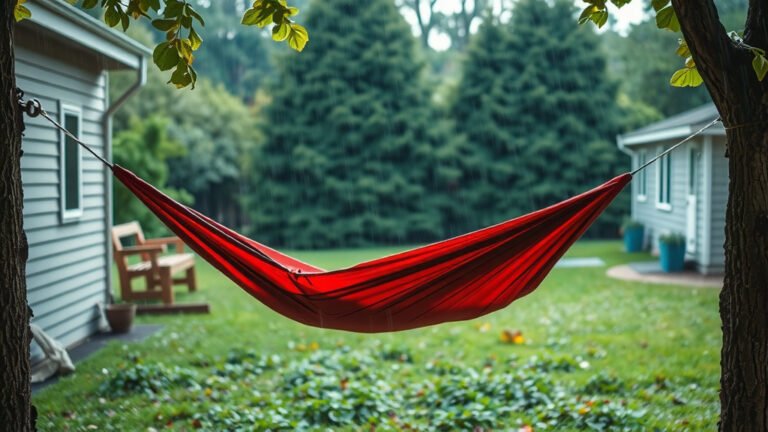
Now, you’ll want to get that perfect sag. The ideal hammock hang often looks like a gentle curve, sometimes referred to as a 30-degree angle. You don’t want your hammock to be too tight (straight) or too loose (baggy). Too tight can put excessive stress on the suspension and be uncomfortable. Too loose and you might feel like you’re sinking. Adjust the strap loops until you achieve a comfortable, stable sag. Many hammock campers aim for about a 10-15% sag from the total suspension length.
Testing Your Setup for Safety
This is the moment of truth! Before you fully commit and lie down, you must test your setup. Gently put some of your weight onto the hammock. Slowly put more weight into it. Listen for any creaking sounds or signs of slipping. You can also try sitting in it first before attempting to lie down fully. We found that a gradual test is the best way to catch any potential issues. If everything feels solid and secure, congratulations, you’re ready to relax!
Here’s a quick checklist for your final inspection:
- Are your anchor points solid and stable?
- Are your straps securely attached with no signs of wear?
- Are your carabiners fully closed and locked?
- Does the hammock have a comfortable, gentle curve when under some weight?
- Did you test it gently before committing your full weight?

Conclusion
You’ve successfully learned how to attach suspension to your DIY hammock. Remember, sturdy anchor points and reliable suspension components are your top priorities for safety. We found that using wide webbing straps and climbing-rated carabiners offers the best combination of security and tree protection. Always take a moment to test your setup gradually before fully relaxing. Now you’re ready to find the perfect spot and enjoy your custom-made hammock oasis.
Frequently Asked Questions
What if I don’t have trees that are sturdy enough?
If trees aren’t an option, look for very strong, well-anchored posts or pillars. These could be part of a sturdy deck or fence structure. Ensure they are deeply set in concrete or the ground and can reliably support your weight without wobbling.
How tight should my hammock suspension be?
You’re aiming for a gentle, comfortable sag, often described as a 30-degree angle. Avoid making it too tight, as this can stress your suspension and be uncomfortable. A bit of give is good for both comfort and safety.
Can I use rope instead of webbing straps?
While rope can work, webbing straps are generally preferred for hammock suspension. Wide webbing distributes pressure more evenly, which is much kinder to trees. If you use rope, ensure it’s strong, rated for your weight, and consider a tree-saving strap between the rope and the anchor.
How far apart should my anchor points be?
The distance between your anchor points depends on your hammock’s length and the desired sag. A good rule of thumb is to start with your anchor points roughly the length of your hammock apart and then adjust based on how you want it to hang. The distance between your anchor points depends on your hammock’s length and desired sag; learn more about setting them up.
What kind of carabiners are safe for hammock suspension?
You need carabiners specifically rated for climbing or load-bearing. Look for ones with a minimum rating of 20kN and a secure locking mechanism, like a screw-gate or auto-locking gate. Never use cheap novelty carabiners; they are not safe for this purpose.